















































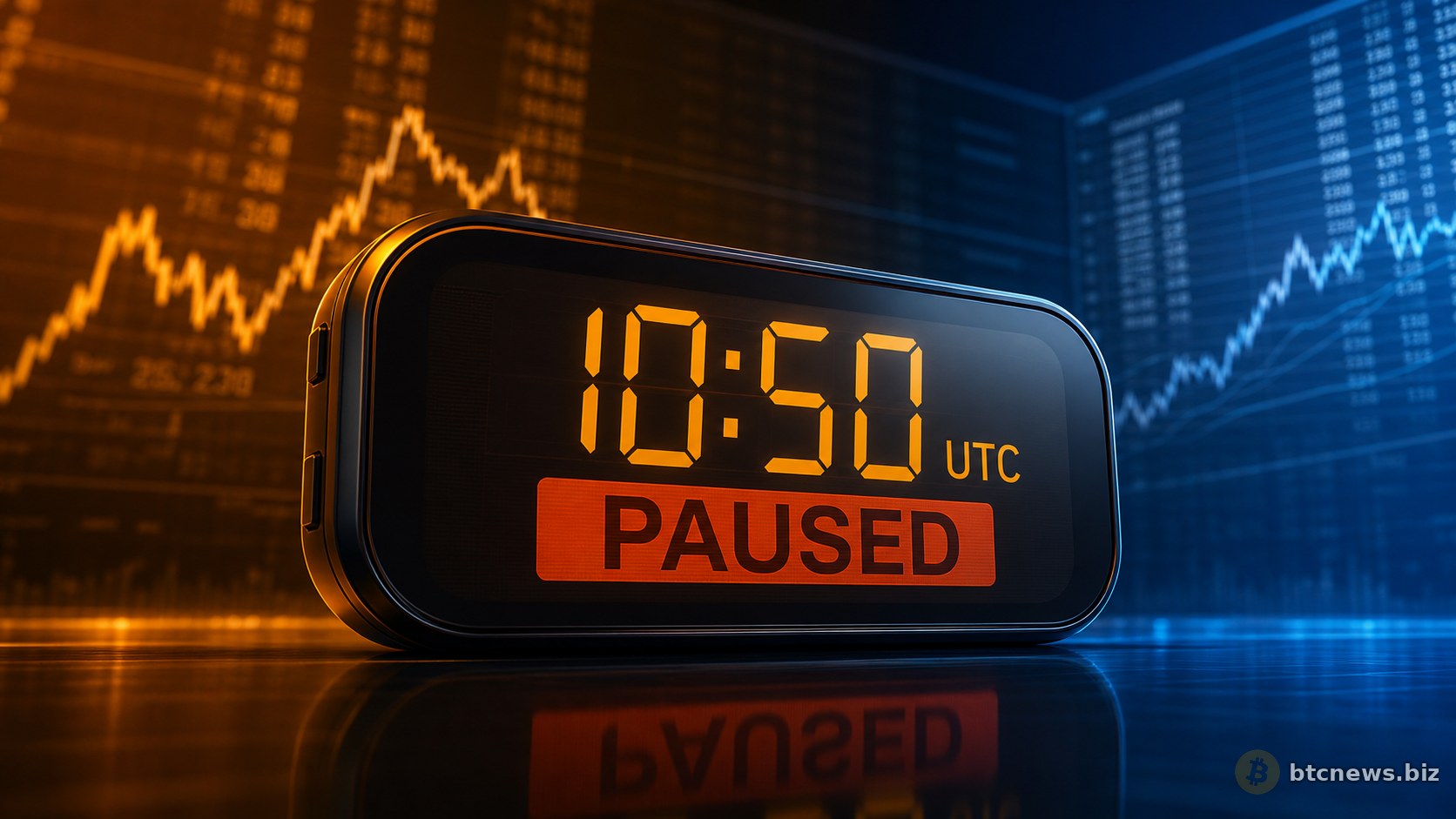
Binance stock trading halt: regulatory pressure, adoption signal for crypto
Binance will pause its stock trading service on June 13, 2025, while a partner broker upgrades its system. The halt is scheduled for six hours, from 10:50 a.m. to 4:00 p.m. UTC. Officially, it is maintenance. Fine. But put Binance, tokenized stocks, and regulators in one sentence and the story stops sounding like a calendar note. My take: short outages in hybrid crypto-equity products deserve more attention than they usually get.
The announcement, titled “Binance to Temporarily Halt Stock Trading on June 13 for Partner Broker Upgrade,” says a partner broker is handling the work. Binance says the upgrade should improve stability and security. It also points to better trading performance. Users trading tokenized stocks such as Tesla, Apple, and Amazon will not be able to place trades during that window. Crypto trading will continue, and Binance says user assets and balances will stay secure. Why does this matter? Because the six-hour pause exposes the old financial rails sitting underneath the new crypto wrapper.
Tokenized stock trading has always been an awkward middle layer. Useful, yes: it gives crypto users fractional exposure to equities. Clean? Not really. Once Tesla, Apple, or Amazon exposure appears inside a crypto platform, the product starts drifting toward securities territory, and that is where the easy marketing language breaks down. The SEC increased pressure on crypto exchanges in 2023, and the industry answered with delistings, product changes, and legal fights. Binance is presenting this as a technical upgrade. I believe that. But that is only half the story.
Most guides treat maintenance windows as boring operational notices. That is too neat. This one also reads like a tiny compliance signal, even if nobody at Binance would frame it that way. I will be honest: the upgrade itself is not dramatic. The dependency is the interesting part. A crypto exchange can move fast until a broker, a regulator, or a reporting requirement tells it to slow down.
That matters because trust in crypto is still shaky. When a large exchange improves infrastructure, even because a broker set the schedule, it can make the platform look less reckless to banks, funds, and regulators. Bitcoin ETFs are the obvious comparison. They faced years of regulatory pushback before approval, then helped push BTC above its old $69,000 high in March 2024. No, that does not mean every compliance move lifts prices. It means regulated access changes who feels comfortable showing up.
This halt is not just about one stock trading feature. It is about crypto platforms offering products tied to traditional markets. Binance is one of the largest crypto exchanges in the world, and even it has to work around a partner broker’s upgrade schedule. That says a lot. Once a crypto platform touches equities, it inherits rules, reporting expectations, broker dependencies, settlement assumptions, and the slow machinery of legacy finance. Dull stuff. Very real.
For traders, the practical part is blunt. Close open positions or adjust stop-loss and limit orders before the suspension begins at 10:50 a.m. UTC on June 13. Binance says balances will remain secure during the upgrade and trading will resume automatically once maintenance ends. The company has not announced an extension or schedule change. Is this overkill for a six-hour halt? For casual users, maybe. For leveraged traders or anyone holding tokenized stock exposure through the window, no.
What this means
The halt shows crypto platforms still adapting to traditional market infrastructure, often with regulators nearby. The direct impact is narrow: tokenized stock traders lose access for six hours. The larger point is sharper. Binance is treating this product more like financial infrastructure than a side experiment. Some traders will hate the interruption. I get it. Still, that is healthier than pretending equity-linked products can sit outside the rules that govern equities.
For the broader crypto market, the signal is small but worth noticing. Cleaner operations and stronger compliance can make conservative capital less nervous. Counter to the usual advice, the important thing here is not the outage itself. It is the boring repeat pattern: fewer weak spots, clearer schedules, more traditional dependencies. Institutions will not rush in because of one broker upgrade. They will not. But operational changes like this add up, especially for assets such as Ethereum, where long term adoption still depends on whether large investors think the market can behave like real financial infrastructure.
Watch what Binance does next with tokenized stocks. New broker partnerships or regional restrictions would say more than this outage does on its own. Expanded equity offerings would, too. Also watch regulators such as the SEC and ESMA. If they treat tokenized securities as a real market category instead of a loophole, exchanges will have to keep adjusting. Yes, that may slow the product down. It could also make it harder to dismiss.