
















































BitMEX executive purge points to crypto winter pressure
BitMEX has pushed out its CEO, CFO, and head of growth at the same time. My take: that is not a normal reshuffle with a cleaner title. Peter Wilkinson is now CEO, and the move reads like cost cutting by a company trying to survive a weak market and, reportedly, make itself easier to sell. It looks defensive.
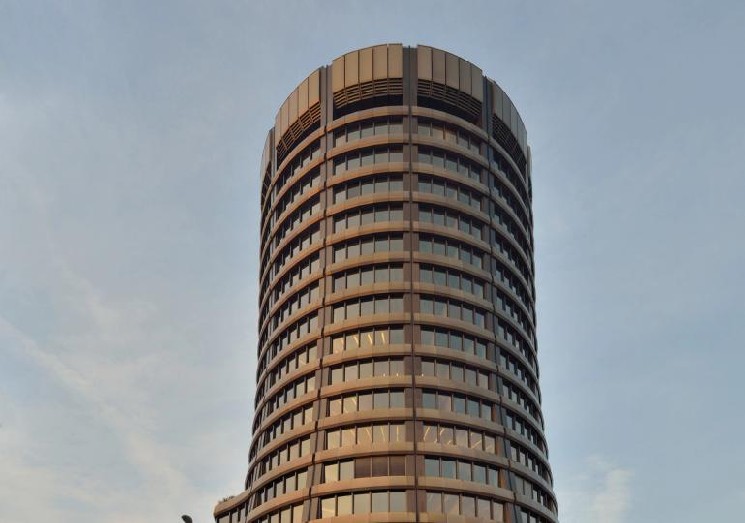
The exchange has been looking for a buyer, according to reports, and several top jobs have now been cleared out in one sweep. Stephan Lutz, CEO, Ina Steiner, CFO, and Raphael Polansky, chief growth officer, are gone. CoinDesk reported the departures after seeing recent LinkedIn updates. Wilkinson, who was BitMEX’s global general counsel and chief operating officer, has taken over as CEO. Wilkinson, Lutz, Steiner, and Polansky did not immediately respond to requests for comment. Why does that matter? Because silence around a three-person executive exit usually leaves the market to price in the worst version first.
BitMEX was founded in 2014 by Arthur Hayes, Ben Delo, and Samuel Reed. It has also spent years in trouble with regulators. In 2020, U.S. authorities accused the exchange of failing to keep proper anti money laundering controls. BitMEX later pleaded guilty. Hayes, Delo, and Reed stepped down soon after the U.S. brought criminal charges against them. So this latest reset is not coming out of nowhere. Most turnaround stories start with a new face at the top. That is only half right. Here, the more important signal may be the simultaneous removal of finance and growth leadership, because those are the seats a buyer would scrutinize early.
The market backdrop is rough. Crypto exchanges make money when people trade; when Bitcoin chops around for months, that machine sputters. Bitcoin has struggled around the $30,000 area for long stretches and has often slipped back into the $25,000 to $27,000 range. Ethereum has had the same problem near $1,900. I’ll be honest: this is where the industry’s “builders keep building” line starts to sound thin. Fees shrink. Hiring freezes. Then the cuts start. BitMEX losing three senior executives at once shows that even an established name can get squeezed when risk money dries up.
Regulation is the other problem BitMEX cannot shake. The 2020 AML case still hangs over the company, even though this leadership change has not been tied to any new enforcement action. Running a crypto exchange now means paying lawyers and compliance staff. Add auditors. Add outside advisers. Do that while revenue may be falling, and the math gets ugly fast. The SEC has targeted alleged unregistered securities offerings, the CFTC watches derivatives closely, and exchanges are still trying to figure out where the next line will be drawn. Coinbase stock has moved sharply on regulatory headlines, especially around SEC actions. For BitMEX, cutting costs and making the company easier for a buyer to understand may be less of a strategy than a necessity. A buyer would get the brand and the technology. The baggage comes too.
Lutz became CEO in 2022, during the last major crypto downturn. He replaced Alexander Hoeptner, who had taken the job in early 2021 after Hayes and the other co-founders left management. That timing matters more than it first appears. BitMEX has now changed leaders during two rough stretches in less than five years. Plenty of crypto and tech companies have cut staff since 2022. Still, losing the CEO, CFO, and growth chief together is a different category from ordinary belt tightening. Is that overreading it? For one executive, maybe. For three at once, no.
What this means
BitMEX’s executive shake-up points to more pain in the crypto exchange business, especially for platforms with old regulatory problems. The “crypto winter” label gets thrown around too much, but it fits here. Lower trading volumes and weaker asset prices hit fee revenue first. After that, everything else gets squeezed. We have seen this pattern before: revenue pressure shows up quietly, then suddenly the org chart changes. If BitMEX is under pressure, it is probably showing up in revenue, buyer interest, and the cost of staying compliant.
This could also lead to more consolidation among exchanges. Counter to the usual advice, the strongest brand does not always win in a downturn; the cleanest balance sheet often matters more. Bigger platforms with stronger balance sheets and cleaner regulatory records can survive slow markets more easily. Smaller or troubled exchanges may get sold cheaply. Some merge. Some vanish. For traders, that means fewer venues, especially for derivatives. It also means more people may stick with names they think can survive another bad year, such as Binance or Coinbase, even if those companies have their own issues.
The next thing to watch is whether BitMEX finds a buyer. A sale would say something about how investors value distressed crypto assets right now. No sale would say something too. Trading volume across BTC and ETH also matters, because weak volume keeps pressure on exchange revenue. Regulatory news from the SEC and CFTC still matters as well. Yes, this sounds like the same watchlist every crypto exchange gets. But in BitMEX’s case, the combination is sharper: leadership turnover, old enforcement baggage, and a market that is not handing out easy fee growth. One clear ruling or one new enforcement action can move valuations fast. For Bitcoin, $25,000 is still the level I would watch. If BTC breaks below that area and stays there, the exchange business gets even harder.