















































Solflare Packs: Solana Wallet Bets on Tokenized Trading Cards as Next RWA Frontier
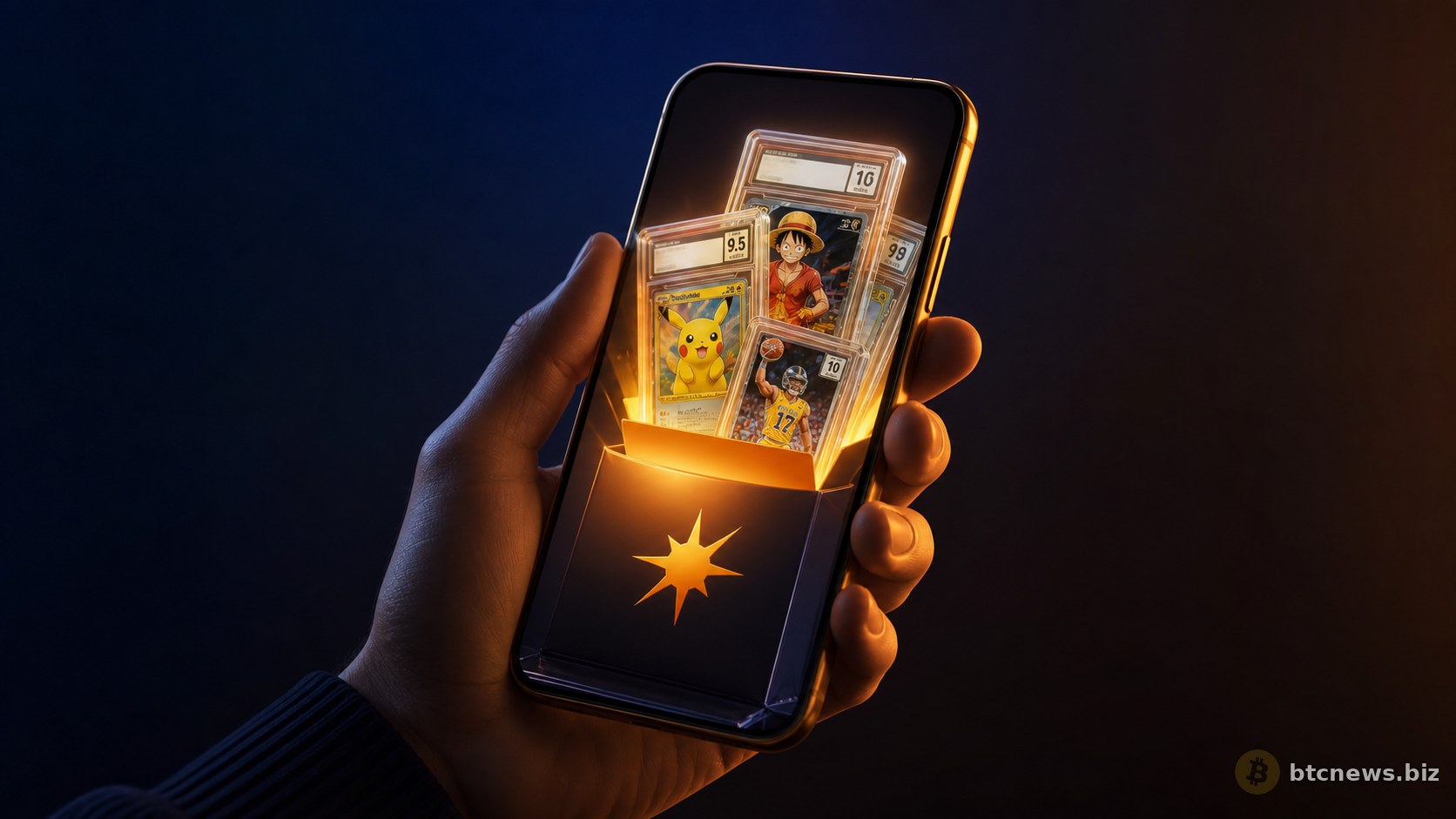
Solflare, a Solana wallet provider, has launched Solflare Packs, a wallet feature for buying, opening, trading, and redeeming graded trading cards without leaving the wallet. My take: this is a cleaner RWA pitch than another yield product with a new wrapper. The hook is not complicated. Tokenized real-world assets are easier to understand when they are attached to something people already collect, like cards, rather than an abstract finance instrument. That makes sense. Collectors already care about rarity, price, condition, resale value, provenance, and timing.

Collector Crypt powers the feature. Its marketplace has handled more than $1 billion in trading volume, and the company stores the physical cards linked to the tokens. So no, this is not just a pack-opening animation with glossy card art. Each card is tied to a real graded collectible in Collector Crypt’s vault, while ownership appears as an NFT in the user’s Solflare wallet. At launch, the categories include Pokémon, One Piece, and sports cards. Simple setup. Real inventory.
After opening a pack, collectors have three paths. They can have the physical card shipped. They can keep the NFT in the wallet. Or they can sell the card back to Collector Crypt. Why does this matter? Because selling trading cards is usually slower than the excitement that made someone buy the card in the first place. You list it, wait, handle payment, ship it, and hope nothing gets messy. Solflare Packs compresses that into one wallet screen. For Solana, it also says consumer apps are still choosing the network, not only DeFi teams, meme coin traders, and infrastructure projects.
The collectibles market has never been especially liquid. A normal sale can take days or weeks, and then the buyer still has to wait for shipping. With tokenized cards, ownership can move immediately while the card stays in storage. That is the useful part. Most RWA commentary says tokenization matters because it makes assets “accessible.” That’s only half right. Access is nice, but speed and exit options are the sharper argument here. Vidor Gencel, Co-Founder and Co-CEO of Solflare, said, “We see tokenized collectibles becoming one of crypto’s next major consumer categories.” Maybe. I’ll be honest: the stronger case is that card collectors already exist, and some of them may tolerate crypto if the product saves time.
The buyback feature is the strongest piece of the launch. Every opened card comes with a 72-hour buyback window, so users can sell unwanted cards back to Collector Crypt at a known price. That goes straight at one of the worst parts of collecting: finding the next buyer. Skip the waiting. Instead of posting on a marketplace and refreshing listings, a user can get out quickly. It gives physical cards a version of crypto liquidity. Is that overkill for collectibles? Not really, because the pain point is not theoretical. If people use it, tokenized asset trading on Solana could increase, and that may eventually show up in network activity and transaction fees.
The launch also hints at where Solana consumer apps are going. Crypto still builds too many products for people who already trade crypto. Solflare Packs is aimed at a different group, or at least it tries to be. Collector Crypt says it manages more than $35 million in tokenized inventory, while Solflare reaches more than 4 million monthly active users across Solana. Tuomas Holmberg, Co-Founder and CEO of Collector Crypt, said, “Solflare has built one of the largest consumer applications in the Solana ecosystem, and this partnership allows us to bring collectibles directly to a broader audience.” That is standard partnership language. Still, the distribution point is real. A wallet with millions of users can put a niche market in front of people very quickly.
What this means
Solflare and Collector Crypt are pushing RWA tokenization toward consumer products, not just institutional finance. The useful bundle is physical cards, immediate ownership transfer, a visible wallet asset, and a 72-hour buyback window. Counter to the usual advice, the win here is not necessarily “more crypto-native features.” It may be fewer visible crypto steps. If it works, other RWA teams will probably copy the model. For crypto investors, the signal is not “cards will save crypto.” It is that blockchains may be useful when they make an existing market less clunky. Watch Solana transaction activity, Solflare user behavior, and whether pack openings turn into repeat trading rather than one-time curiosity.
What to watch next: Track adoption of Solflare Packs and similar tokenized collectible platforms. The numbers that matter are Collector Crypt’s vault value, unique users, repeat buyers, and sell-back activity during the 72-hour window. Yes, this sounds narrower than the usual RWA dashboard. Good. The broad market-size charts can wait. If those numbers rise meaningfully, it could point to broader interest in consumer RWAs. Also watch other layer-1 networks. If Solana gets traction here, Ethereum, Avalanche, and other chains may move faster on their own collectible or RWA products. New card categories and distribution partnerships would be the next obvious clues.