
















































Pomp Bitcoin bottom analysis: Is a reversal close?
Anthony Pompliano says Bitcoin may be getting close to a reversal. My take: the case is cleaner than it sounds, but not as airtight as bulls want it to be. This bear market has been less brutal than earlier Bitcoin crashes. For investors and traders, the argument turns on on-chain data, the old four-year cycle, the ETF-era buyer mix, and the macro story Bitcoin bulls have leaned on for years.
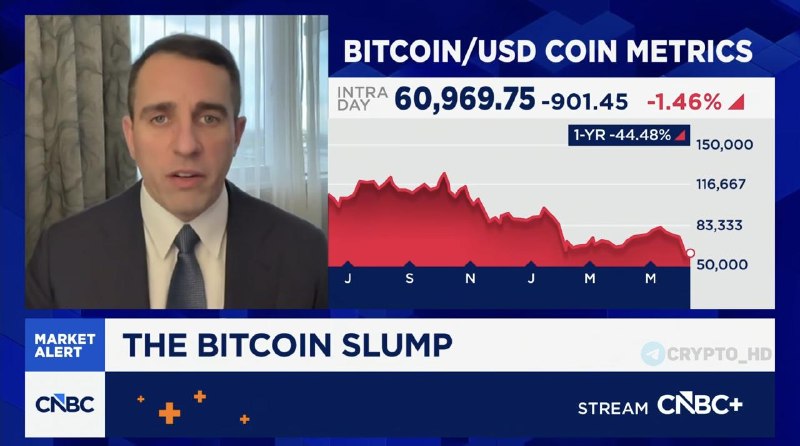
“Bitcoin’s current correction is notably less severe than past cycles, challenging the narrative of an exceptionally brutal bear market,” Pompliano said. Bitcoin is down more than 50% from its all-time high, which is still a painful entry point if you bought near the top. But earlier BTC bear markets often came closer to 80% drawdowns. That gap is not cosmetic. A 50% drop is ugly. Still, by Bitcoin standards, it is not the wipeout some market commentary makes it sound like.
Pompliano also points to on-chain data that has appeared near past bottoms. One metric is getting attention: more BTC is now held at a loss than in profit. That has happened before near the end of bear markets. Does it prove the bottom is in? No. Nothing does. But it is the kind of signal traders start circling when sentiment is awful and the room gets too confident that lower prices are inevitable.
“The four-year Bitcoin cycle remains intact, even with the advent of spot ETFs and increased institutional investor involvement,” Pompliano said. That is probably the most interesting part of his case. Spot ETFs changed how Bitcoin trades, and institutions matter far more than they did in earlier cycles. Counter to the usual advice, I would not throw the four-year cycle away just because Wall Street is now involved. I would not treat it like a rule either. Bitcoin traders still behave as if it matters, and that behavior can become its own force.
He also plays down worries about MicroStrategy. Some investors fear a large holder could be forced to sell BTC and put more pressure on the market. Pompliano says MicroStrategy has enough dollar reserves and does not need to sell Bitcoin to meet its obligations. If he is right, one of the louder forced-selling fears may be exaggerated. Maybe badly exaggerated.
“Macroeconomic factors, such as Federal Reserve interest rates, exert short-term pressure but do not alter Bitcoin’s long-term bullish outlook,” Pompliano said. This part is familiar. High Fed rates can hurt crypto in the short run because traders usually pull back from risk assets when money gets expensive. Bitcoin is not exempt from that. It often trades like a risk asset, even when people call it digital gold. We have seen that pattern too many times to wave it away.
Pompliano’s long-term reason for owning BTC has not changed: rising US debt, large deficits, and a weaker dollar over time. His view is that Bitcoin and gold benefit when people lose trust in fiat purchasing power. The limited supply story is still the pitch. Why does this matter? Because Fed meetings and inflation prints can hit the short-term chart while the debt argument keeps long-term buyers interested. Rate cut expectations can move money into or out of BTC quickly.
“Bitcoin’s role as a safe-haven asset is implicitly strengthened by concerns over government debt and dollar debasement,” Pompliano suggested. I’ll be honest: I would be careful with “safe haven.” Bitcoin can fall hard right when people need cash. March 2020 was the obvious reminder: BTC sold off sharply during the COVID-19 shock, then recovered hard. Most guides smooth this over. That is only half right. A cleaner version of the argument is this: Bitcoin is not always safe during a panic, but some investors still use it as a long-term bet against currency debasement.
That is the thread in Pompliano’s comments. If the dollar keeps losing purchasing power and government debt keeps rising, scarce assets become easier to defend. Bitcoin is part of that discussion now, whether skeptics like it or not. It stuck.
What this means
Pompliano thinks the market may be closer to a turn than sentiment suggests. The correction has been milder than earlier Bitcoin bear markets, and some on-chain metrics look similar to past bottoming zones. That does not mean prices have to surge tomorrow. Markets are very good at punishing certainty. Yes, this slightly contradicts the bullish read above. Bear with me. The point is not that the bottom is confirmed; it is that the bearish case looks less tidy than it did a few months ago.
For long-term holders, this setup can look like an accumulation zone. The four-year cycle also gives cycle traders something to work with, even after spot ETFs brought in a different type of buyer. Is this enough for a confirmed trend change? Not yet. “Possible bottom” and “confirmed uptrend” are not the same thing.
The next signals are clear enough. Watch whether more BTC moves back into profit, because that would suggest sentiment is improving. Watch Fed meetings. Watch inflation data. And on the chart, a sustained move above $70,000 would be difficult to ignore. That would suggest buyers are back in control and the market may be starting a new uptrend.
Pompliano’s larger thesis still depends on the macro backdrop: US debt, inflation pressure, deficits, and dollar weakness. In our last read of this setup, the tension was obvious: the long-term story can improve while the short-term trade still gets hit. If those macro pressures keep worsening, his long-term Bitcoin case becomes easier to understand. If liquidity tightens again, BTC may have more pain to get through first.