















































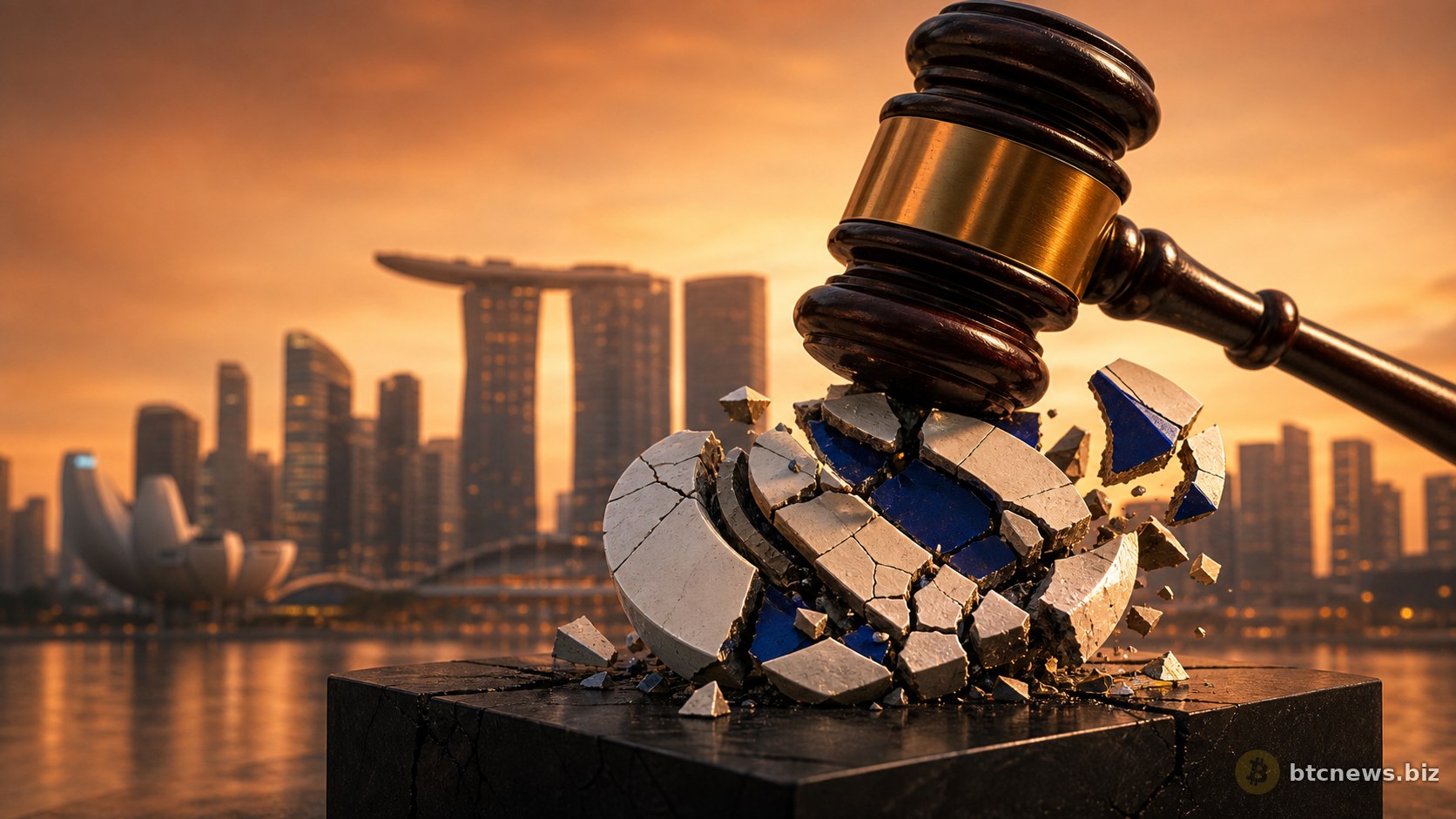
Singapore court awards Terraform investors over $3M. Founders should pay attention
On June 29, 2026, the Singapore International Commercial Court awarded more than $3 million to 40 claimants in a fraud case against Terraform Labs Pte Ltd and founder Do Kwon over statements about TerraUSD (UST). The ruling closes the second tranche of a case filed by 275 investors. My take: this is not just another post-collapse crypto headline. If you sell “stability” and the thing breaks, a court may ask what you knew when you said it.
The SICC found Terraform and Do Kwon liable for fraudulent statements about UST’s stability. The court said those statements contributed to investor losses when UST collapsed in May 2022. The decision follows a 2025 first tranche judgment that found actionable fraud, plus a March 2026 Court of Appeal ruling that changed how damages were calculated. The appeal court used a UST cut off value of about $0.60485 per token, which increased compensation for eligible claimants. It will not make people whole. Still real money.
The court said Terraform and Do Kwon made false claims about UST’s ability to hold its US dollar peg. Terraform pointed to algorithms and reserves. It also leaned on LUNA arbitrage. Those claims appeared on Terraform’s website, in whitepapers, and in public statements. The SICC found they were false, and that the defendants either knew they were false or acted recklessly. Damages covered investor reliance for holdings up to May 12, 2022. Later losses were treated as too speculative. Put that beside the U.S. SEC’s $4.5 billion penalty against Terraform, and the message gets blunt: stability claims create evidence.
For crypto investors, the ruling shows courts are losing patience with vague claims and polished token mechanics. Market analysts say this kind of pressure changes how traders price risk. I think that is right, but only partly. Most guides frame these cases as legal risk. That is too narrow. When regulators close in, capital often leaves smaller tokens and moves into assets that look cleaner or harder to attack, usually Bitcoin (BTC) and Ethereum (ETH). We saw versions of this during SEC actions over unregistered securities offerings, when some altcoins sold off while BTC held steady or gained 2-3% in a week. Why does this matter? Because courts and regulators can change trading behavior without placing a single order.
The SICC decision could also encourage more representative actions and class style claims in other jurisdictions. Lawyers expect crypto teams to tighten disclosures to reduce litigation risk. Sounds boring. It matters anyway. Counter to the usual advice, better disclosure is not always a growth killer. If stablecoin and DeFi projects have to explain risks in plain language, some experimental launches may slow down, but better funded, more regulated platforms may benefit. Smaller tokens could lose volume if exchanges get pickier about trading pairs, especially pairs tied to stablecoins with weaker compliance records. Watch liquidity. It can vanish quietly, and then price moves get nasty.
What this means
The ruling points to more personal liability for founders and less room for loose marketing around crypto products. Courts are willing to act when projects make false claims about stability, reserves, or safety. New token teams will probably spend more time with lawyers before launch. They will also spend more money on audits and disclosures. Honestly, that is not all bad. Yes, this contradicts the usual crypto instinct to move fast — bear with me. Investors may prefer boring transparency to another clever mechanism that works only until everyone wants out at once. Stablecoins and DeFi protocols with stronger audits and clearer regulatory footing, such as USDC and DAI, could keep gaining ground against murkier alternatives.
Next, the market will watch the remaining Terraform related cases. That includes the South Korean criminal case against Do Kwon and claims moving through Terraform’s bankruptcy process. Victim recoveries will depend heavily on Chapter 11 distributions, not just courtroom wins. Traders should also watch announcements from the SEC, CFTC, and EU regulators under MiCA. Is this overkill? For projects with similar models, no. A major penalty, hearing date, or rule change can move prices quickly. If bad regulatory news hits DeFi, ETH could face extra selling pressure. If the market reads the news as crypto specific risk rather than broad risk, BTC could retest levels like $60,000. These moves rarely happen cleanly. But dates matter, and in crypto, legal calendars can turn into trading calendars.