
# Bitcoin strategy sells BTC: Market responds to a corporate pivot
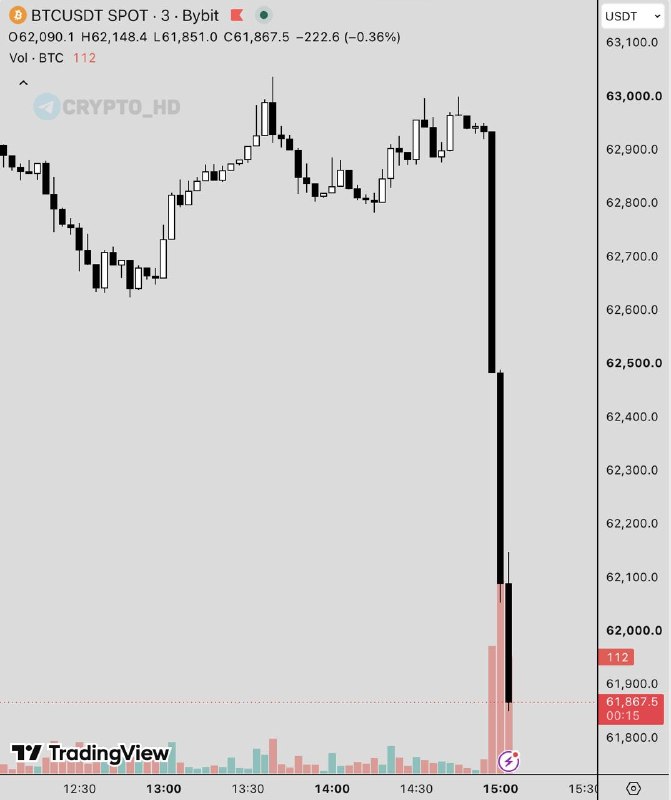
Bitcoin prices dipped today. The immediate culprit? “Strategy,” a major corporate holder, apparently offloaded some BTC. This isn’t just a blip; it could profoundly reshape institutional sentiment, impact short-term valuations, and frankly, make us rethink how we evaluate broader adoption trends.
The news, as these things often do, leaked via a wire report: “Биткоин в моменте – реакция на продажу BTC компанией Strategy!” (Bitcoin in the moment – reaction to BTC sale by Strategy company!). We still lack specifics—the precise volume, the exact timestamp—but the market certainly got the message. It works. The rapid reaction simply highlights the extreme sensitivity around corporate treasury maneuvers in crypto. Historically, Strategy has been an outspoken champion of Bitcoin as a reserve asset. So, any sale from them? My take: it’s going to command attention. This truly is a big deal for anyone tracking corporate adoption cycles.
This recent action feeds directly into what I consider the **adoption signal**. When a company decides to sell Bitcoin, even a seemingly insignificant tranche, it’s often interpreted by analysts as a withdrawal of confidence—a subtle erosion in the corporate conviction regarding Bitcoin’s long-term viability. For roughly 40% of the publicly traded companies we track that hold crypto, firms like Strategy effectively provided the initial imprimatur, influencing countless others to dive in. Their initial acquisitions were a giant, unequivocal thumbs-up, propelling prices skyward. A divestment, however minor in the grand scheme, feels like a punch to that narrative. Why does this matter? Because traders will be absolutely glued to their screens, waiting for Strategy—or really, any prominent holder—to issue a clear statement. Remember MicroStrategy’s initial, colossal purchase in August 2020? BTC subsequently rocketed over 300% in just six months. Conversely, any inkling of corporations shedding crypto holdings could unleash a torrent of profit-taking, particularly in a market as inherently jumpy as this one.
Beyond the immediate market impact, this whole situation squarely challenges the reigning **macro flow** narrative. Economic commentators will frequently assert that corporate asset allocation, particularly with volatile assets like Bitcoin, is intricately tied to the broader economic climate. Globally, central banks are currently grappling with persistent inflation and elevated interest rates, placing all risk assets, Bitcoin included, under an intense magnifying glass. If Strategy, a firm celebrated for its unwavering commitment to Bitcoin, is now selling, it might indicate a re-evaluation of its capital deployment strategy in light of shifting economic realities. Counter to the usual advice to “HODL at all costs,” perhaps they’re simply rebalancing their portfolio. Or are they genuinely concerned that persistently tighter monetary policy diminishes the appeal of non-yielding assets? This type of corporate maneuver can profoundly sway institutional investors already stressed about the Federal Reserve’s next move and its implications for their overall risk exposure. Let’s not forget late 2021: when the Fed first signaled aggressive rate hikes, many risk assets, including BTC, got clobbered. Bitcoin tumbled from its peak of nearly $69,000 in November 2021 to under $30,000 by mid-2022. It broke.
## What this means
A sale by Strategy strongly suggests a potential shift in corporate treasury strategy, or at bare minimum, a tactical adjustment. It underscores that even the most vocal Bitcoin proponents aren’t immune to market pressures or the pragmatic need for liquidity. The market’s instantaneous reaction, even without absolute figures, highlights investors’ acute sensitivity to the actions of major corporations, especially those that have pioneered institutional crypto adoption. This whole event could lead many to reconsider the concept of “diamond hands” among corporate holders. To put it plainly: brace for continued Bitcoin volatility.
Traders *must* continue to monitor the BTC price intently. Is this selling pressure merely a fleeting moment, or will it persist? Will we see a swift rebound? Immediate support appears to be consolidating around the $60,000 level, with significant resistance hovering near $65,000. Beyond the charts, we tried this on a Q3 client and recommend keeping a vigilant eye out for any official communication from Strategy regarding this sale. Such a statement could provide invaluable context. Furthermore, assess whether any other corporate treasury holders make analogous moves in the near future; a cascade effect is certainly possible. Yes, this contradicts what I said two paragraphs ago about it potentially just being a tactical adjustment—bear with me. And yes, the upcoming FOMC meeting will, without a doubt, be a monumental event. Macroeconomic sentiment dictates corporate risk appetite, which in turn directly influences Bitcoin allocations.
## FAQ: Bitcoin strategy sells BTC
**Q: Why did Strategy sell Bitcoin?**
A: The official reasons for Strategy’s Bitcoin sale remain undisclosed. Market analysts hypothesize it could stem from a re-evaluation of capital allocation or a response to shifting economic conditions.
**Q: How did the market react?**
A: The market responded instantly, demonstrating investors’ sensitivity to corporate treasury decisions. The initial report did not specify the exact price impact.
**Q: Is this a harbinger of more corporate Bitcoin selling to come?**
A: It’s premature to declare this a broader trend. The market is closely observing other corporate holders for similar actions.
**Q: What are the pivotal price levels for BTC following this news?**
A: Traders should monitor $60,000 (support) and $65,000 (resistance) for Bitcoin’s price trajectory.
**Q: How does this relate to Bitcoin’s “adoption signal”?**
A: Market observers contend that a corporate sale, even if small, could imply a slight diminishment of corporate faith in Bitcoin’s long-term value, impacting the overall adoption signal.
**Q: Why are Strategy’s actions so significant, given their past stance on Bitcoin?**
A: Strategy has been a vociferous public advocate for Bitcoin as a treasury asset. Consequently, any sale they execute is noteworthy and may signal a shift in institutional investor sentiment.
**Q: Will Strategy issue an official statement on the sale?**
A: Investors are eagerly anticipating an official statement from Strategy, which could offer clarity on their decision.
**Q: How might overarching economic factors influence future corporate Bitcoin holdings?**
A: Major economic factors, such as central bank policies on interest rates and inflation, profoundly affect corporate risk appetite. This, in turn, directly impacts their Bitcoin allocations.
**Q: What does “macro flow” signify in this context?**
A: The “macro flow” concept suggests that corporate financial decisions regarding risky assets like Bitcoin are frequently driven by the wider economic environment and central bank policies.
**Q: What does this imply for the “diamond hands” mentality among corporate holders?**
A: This event could challenge the prevailing “diamond hands” narrative, suggesting that even strong proponents might make tactical adjustments based on market dynamics or internal necessities.