
















































Deribit Bitcoin, ETH Options Expiry: More Than $10.5B Settles Tomorrow
More than $10.5 billion in Bitcoin (BTC) and Ethereum (ETH) options will expire on Deribit tomorrow. That is a lot of money squeezed into one settlement window. Will traders finally get the volatility they have been waiting for? Maybe. But my take is simple: the expiry will not decide where either cryptocurrency heads next.
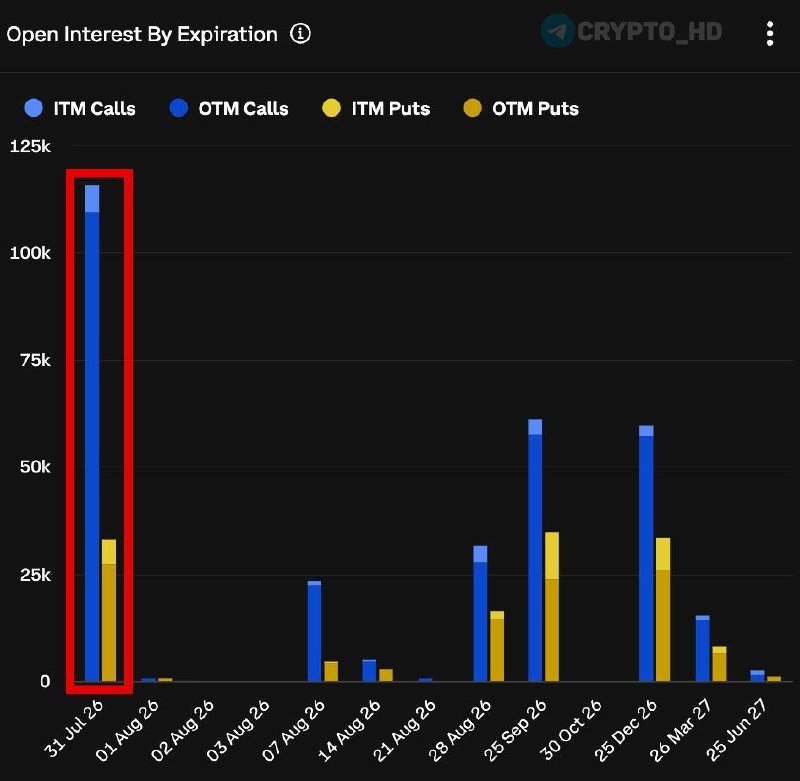
These contracts make up a sizable share of open interest in crypto derivatives. As they expire, traders may close positions or roll contracts forward. Others will change their hedges. Activity can then jump near popular strike prices. Spot prices sometimes move toward the “maximum pain” level, where the largest number of options expire worthless. If prices break through a crowded strike, dealers rebalancing their books can accelerate the move. Most expiry coverage treats that chain reaction as inevitable. It isn’t. Some large expiries pass with barely a shrug.
The timing changes the calculation. Investors are already trying to work out when the Federal Reserve will change interest rates, and inflation remains stubborn. If BTC sells off after settlement, it could add to a wider retreat from risk as some money moves into the dollar or gold. A rally would tell a different story: better inflation news arriving around the same time could bring buyers back and push BTC toward resistance near $65,000. I’ll be honest: blaming either move entirely on the expiry would be too neat. Macro news can overwhelm options flows within minutes.
Institutional trading desks will be watching, including firms connected to the recently approved spot Bitcoin ETFs. Price action around settlement could affect their hedges. It could also change the timing of any added exposure. A calm expiry makes the market easier to trade. A messy one—especially if BTC drops below $60,000—could make newer participants more cautious about corporate treasury purchases and other crypto investments. Is that an overreaction? Possibly, but sharp settlement-day losses have a way of changing risk conversations fast.
Late May offers a useful comparison. BTC held near $68,000 during that major expiry, then fell afterward. That sequence matters. It shows how an expiry can push the market without deciding the final outcome. Counter to the usual advice, positioning is not the whole story. Everything happening outside crypto still counts, and in my view it often counts more.
What this means
The settlement could reshape short-term positioning in BTC and ETH. Calling it an automatic turning point, though, is a stretch. The better evidence will come from spot prices once the contracts unwind. A firm BTC close above nearby resistance, followed by a move toward $64,000, would suggest buyers still have control. If support breaks, the market may drift sideways. It may also fall further. For ETH, a move below $3,300 would strengthen the bearish case. Watch the confirmation.
Pay attention to the first few hours after tomorrow’s expiry. BTC has recently treated $61,400 as a psychological pivot, while ETH traders are watching $3,400. Why do those exact levels matter? Because the real test is whether prices hold them after the first burst of trading fades. Fast spikes happen often around settlement and can easily give the wrong impression. I would not chase one.
After that, look beyond Deribit. Fresh inflation data and comments from the Federal Reserve could matter longer than the expiry. Yes, that cuts against the focus on tomorrow’s settlement, but the distinction matters. If those signals change expectations for interest rates, BTC and ETH will probably move with other risk assets. My read: the $10.5 billion settlement is a pressure point, not a prediction.