















































$2.4M exploit pushes EMURGO out of Cardano’s Pentad group and leaves governance questions hanging
Cardano had a rough week. Not a vague, markets-are-moody kind of rough week. EMURGO, one of the chain’s founding organizations, is leaving the Pentad governance group after a $2.4 million exploit tied to its SecondFi wallet. The company says it needs to focus on recovering 16 million $ADA for 374 users. Fair enough. My take: that explains the withdrawal, but it does not settle the harder question. When a founding group steps back because its own wallet broke, who is actually accountable when Cardano governance gets messy?
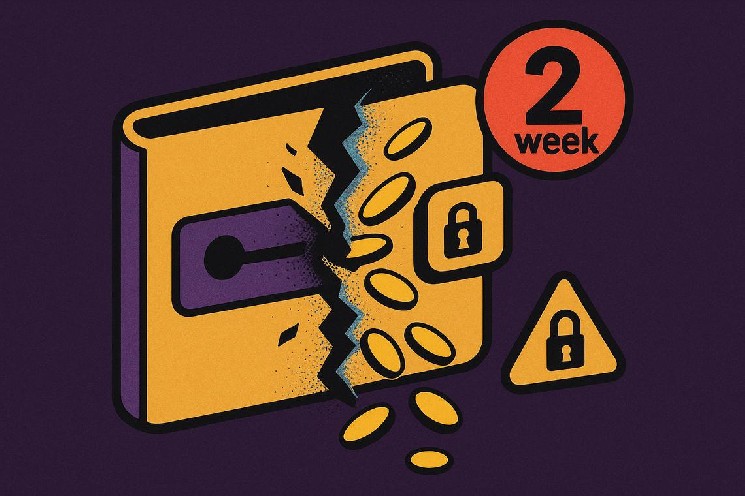
The exploit drained about 16 million $ADA from 374 wallets, worth roughly $2.4 million at the time. The issue came from SecondFi’s address generation system, which is the detail I would not gloss over. SecondFi was a rebranded version of Yoroi, built and launched by EMURGO. So no, this was not some random side app floating outside the ecosystem. It was a self custody wallet from a founding Cardano organization. That makes the failure harder to wave away. Self custody products run on trust. One bad wallet can burn years.
EMURGO announced its withdrawal from Pentad on Wednesday and said the SecondFi recovery comes first. “Our immediate priority is the SecondFi recovery process, and we are concentrating our resources where they are needed most,” the company posted on X. EMURGO is now the first of Pentad’s five members to leave. Pentad was formed earlier this year to coordinate Input Output Global, the Cardano Foundation, Intersect, the Midnight Foundation, and EMURGO on network infrastructure needs backed by treasury funding. Most governance updates sound procedural. This one does not. Losing one of five members under these circumstances is, at minimum, awkward.
The market read is blunt. A founding Cardano group had a wallet exploit, then left a governance body. That is enough to make traders nervous, especially in a market that already punishes anything that smells like operational risk. Some may rotate out of smaller altcoins and into more liquid names like Ethereum ($ETH) or Bitcoin ($BTC). Why does this matter? Because Layer 1 ecosystems can look sturdy right up until one important piece fails. Solana ($SOL) went through a version of this during its network outage periods, when price dips came with broader concern about Layer 1 risk. $ADA may take direct pressure, but the bigger issue is whether investors start applying a heavier discount to projects with weaker security histories or less settled governance.
The regulatory angle is uncomfortable too. A $2.4 million exploit affecting hundreds of users gives regulators a clean example to cite when they argue for tougher consumer protection rules. In the US, Europe, and parts of Asia, agencies have already been pressing crypto projects to show clearer accountability. This case will not slow that down. Counter to the usual crypto defense, decentralization does not make this less relevant to regulators. It may make them more interested. Required audits, clearer liability rules, and recovery plans that exist before money disappears could all get more attention after this. For investors, that can mean higher compliance costs and slower launches. Token economics can change too. Crypto talks a lot about decentralization. Regulators usually arrive after users lose money.
EMURGO has said it will reimburse affected users within two weeks. That timeline now matters more than any post on X. I’ll be honest: the refund clock is the cleanest credibility test here. Some community members are already questioning how EMURGO handled the exploit and whether it should remain tied to Pentad’s 70 million $ADA treasury allocation. It is also unclear whether EMURGO’s withdrawal is permanent. The Block reported that it could not confirm whether EMURGO directly received funds from that allocation, and EMURGO did not respond to its request for comment. Small detail? No. That silence leaves room for speculation.
What this means
This is a real test for Cardano governance, not a whiteboard problem. Input Output Global, the Cardano Foundation, Intersect, and the Midnight Foundation now have to prove Pentad can still function without EMURGO in the room. Yes, this slightly contradicts the neat “governance is decentralized” pitch. Bear with me. Decentralized systems still need visible responsibility when users lose money and treasury-linked groups start shifting positions. The market will watch $ADA’s price, but it will also watch the refund clock. If reimbursements slip or the treasury questions stay unanswered, confidence could fade quickly. A poor response could keep pressure on $ADA and push it back toward the $0.35 area, a level it has tested several times in recent months.
Investors should watch EMURGO’s reimbursement progress over the next two weeks. Full, on time payments would not erase the exploit, but they would limit the damage. Delays, partial payments, or vague updates would do the opposite. Is this overkill for one wallet incident? For a founding organization tied to Pentad, no. After that, watch whether Pentad names a replacement, changes its structure, or explains how it will handle member exits later. I would also watch $ADA volume and price action between $0.30 and $0.35. A clean break below that range would suggest the market sees this as more than a wallet incident. Watch the range.