















































Bitcoin’s Quiet Market Could Be Heading for a Volatility Spike
Bitcoin is trading in a tight range on lower volume, and the lull could end with a sharp price move. The setup looks a lot like early January: volatility is at a six-month low, and Bitcoin barely seems interested in moving. Don’t mistake boring for harmless. Most market commentary treats calm as reassurance. That is only half right. The eventual break could send BTC in either direction, but traders have good reason to pay attention now.
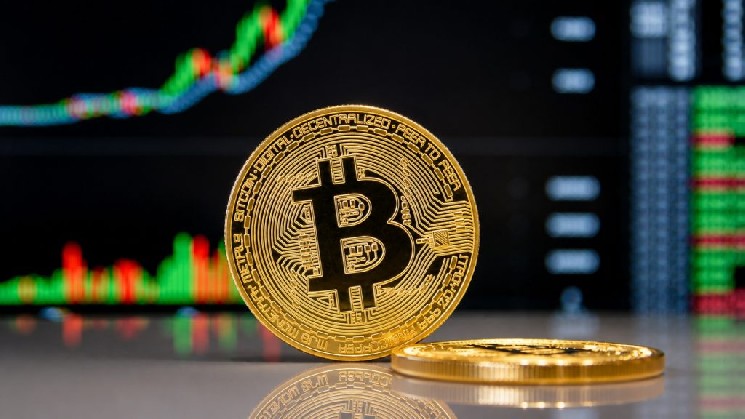
Bitcoin’s narrow range and falling transaction volume resemble conditions at the start of January. Trading Bitcoin ($BTC) has felt oddly familiar lately. The largest cryptocurrency is stuck. Traders cannot find a convincing breakout, and fewer people are placing bets. Transaction volume could finish at its lowest level since November 2023. In January, Bitcoin spent weeks between $86,000 and $90,000 after entering that range in the second half of December; average daily volume fell to $5.1 billion. This month, it has dropped to $2.2 billion, according to K33 research. I’ll be honest: that last figure is the one that jumps out. There simply is not much trading.
January showed how quickly Bitcoin can wake up after weeks of low volatility. Bitcoin climbed to almost $98,000 by mid-January, then fell to roughly $60,000 in early February. Volume rose as prices moved. What did the quiet spell predict? Nothing about direction. It merely ended without much warning. The coiled-spring comparison works well enough—the range tightens until buyers or sellers gain control—but it can sound tidier than the real market is. Once control shifts, the move can turn ugly fast.
Bitcoin’s narrowing Bollinger bands show that daily price swings have shrunk to levels last seen in January. Bollinger bands sit two standard deviations above and below an asset’s price, and the gap between them gives traders a quick measure of volatility. That gap is now the smallest since January. The Bollinger bandwidth indicator has fallen to 5.66 points. Momentum traders have little to work with; range traders are hunting for scraps. Patience is wearing thin. To my eye, this is where traders start forcing setups that are not really there. Bitcoin has gone through similar volatility cycles since at least 2018, but its price history cannot say when the next break will come.
Bitcoin’s compressed range may end with a forceful move, but the charts cannot show its direction or timing. Up or down—both remain live possibilities. Counter to the usual advice, a longer consolidation does not guarantee a cleaner breakout. The longer Bitcoin remains boxed in, the rougher the exit may be. Interest rates matter. So does inflation. Investors are watching the Federal Reserve closely, while large funds may hold back until the economic outlook is less murky. Why does that matter? Because a sudden BTC move could unwind leveraged positions and drag much of the crypto market with it. Altcoins would probably take the first hit. Traditional assets that sometimes move with Bitcoin could react as well, although that relationship is inconsistent.
Some investors may use the quiet market to accumulate Bitcoin as institutions take more interest in holding it as a treasury asset. My take: that reading needs caution. Low volatility gives investors room to build a position, but it does not automatically make buying safe or sensible. Institutions and some sovereign wealth funds have considered Bitcoin as a treasury holding. A rally might persuade more of them to buy; a steep selloff would reveal how committed these newer holders are. Yes, that cuts against the tempting “calm before institutional accumulation” story. I would not dress this up as some grand strategic pause. The market is waiting for enough money or news to knock it out of its range. Pressure could do it too.
What this means
Bitcoin’s long spell of calm increases the chance of a larger move when the current range finally breaks. Tight Bollinger bands and daily volume of just $2.2 billion show how little trading is happening. Does that mean Bitcoin is “gathering energy”? No. Markets do not store power like machines. It means fewer trades are moving the price, so a sudden rush of buying or selling could have an unusually large effect. Bitcoin is currently around $64,171.64. I do not read that price as a forecast. Economic news or institutional orders could knock it loose. A surprise event could do the same.
Traders should prepare for activity to increase and watch major price levels along with economic and regulatory news. The $60,000 and $98,000 levels matter because they were the low and high of the last big swing in January and February. A clean move through either one could establish the next trend, especially if volume rises with it. Federal Reserve decisions and inflation figures could provide the push. Regulatory announcements belong on the watchlist too. The next few weeks might shape Bitcoin’s direction for the rest of the year. Or traders could get another fake breakout. Bitcoin has pulled that trick before.