















































BlackRock-backed Securitize drops 40% after SPAC debut, giving tokenization its first public market gut check
“Securitize (SECZ), a BlackRock-backed tokenization company, has fallen about 40% since its SPAC debut.” Ugly week. Not complicated. Securitize came in with the clean institutional pitch: put traditional assets on blockchain rails, bring Wall Street along, and make tokenization sound more like market plumbing than crypto promotion. Public investors still shrugged. My take: that matters, because a hot theme can be real and still be a lousy trade at the wrong price.
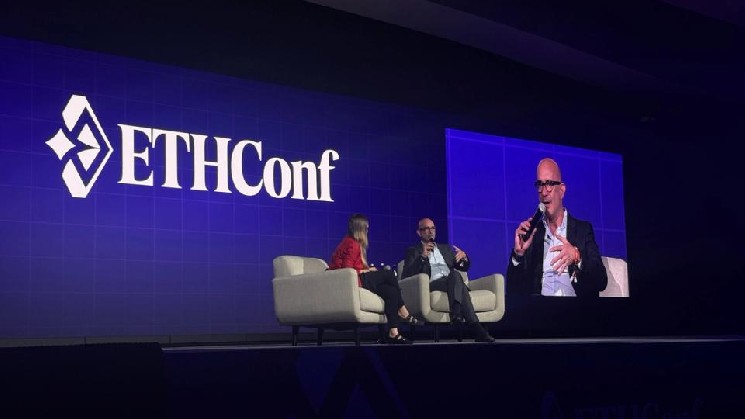
“Securitize went public through a SPAC merger just as banks and asset managers were talking up tokenized assets.” The timing looked almost too neat. The company started trading last week after merging with Cantor Equity Partner II, a special purpose acquisition company. Shares dropped as much as 25% on Tuesday before clawing back part of it, but they are still down roughly 40% from the debut. That looks worse when set against the big forecasts: BlackRock, Franklin Templeton, and JPMorgan are pushing tokenized versions of U.S. Treasuries, funds, credit, and equities. Citi has estimated tokenized assets could reach $5.5 trillion by 2030. BCG and Ripple have put the possible market near $19 trillion by 2033. Big numbers. Thin comfort.
“The selloff looks more like post-SPAC churn than a direct verdict on Securitize’s business.” Jeff Dorman, chief investment officer at Arca, said he does not see an obvious company-specific problem behind the move. “There is no major negative fundamental catalyst that we can see,” he said. In plain English, Securitize may not look materially worse than it did a week ago. Most quick takes say the market is rejecting tokenization. That is only half right. The cleaner read is that SECZ is dealing with the awkward shareholder swap that often follows a SPAC close: some holders wanted a bond-like SPAC position, not a long term equity bet on tokenization. Once the ticker changes, the float tightens, or the old shareholder base leaves, the price can move hard.
“Recent crypto listings have trained investors to flinch.” SPAC mechanics explain part of the damage. Not all of it. Crypto public listings have been rough lately, and investors remember that. Dorman was blunt: “Given how horrible recent crypto IPOs have been, Coinbase (COIN), Bullish (BLSH), Gemini (GEMI), BitGo (BTGO) and Circle (CRCL), it’s not that surprising.” I’ll be honest: I think this scar tissue matters more than the tokenization slide deck. BitGo has fallen 70% since its February IPO, according to market data. Gemini, the Winklevoss-founded exchange, is down 85% from its September debut. Bullish, CoinDesk’s owner, has dropped more than 70% from its $90 debut price in August 2025 and now trades below its $37 IPO price. Coinbase has also had plenty of violent swings, often tracking bitcoin with more force. Why does this matter? Because Securitize did not debut into a blank market. It walked into a market already tired of crypto listings that start loud and then trade badly.
“Securitize shows the gap between institutional interest in tokenization and public investors’ appetite for crypto stocks.” BlackRock’s name still carries weight. Its spot bitcoin ETF, IBIT, helped push bitcoin above $73,000 in March, and its tokenization work made the sector harder to dismiss. Still, SECZ trading badly says something less flattering. Investors can like tokenization and dislike the stock. They can believe the market grows by 2030 or 2033 and still refuse to pay up for a newly listed crypto-linked company with SPAC baggage. Counter to the usual advice, “follow the institutions” is not enough here. Macro makes the setup worse: when inflation, rates, or broad risk appetite get shaky, newer crypto-adjacent equities are usually sold before steadier names.
What this means
“Securitize’s debut shows that BlackRock backing and a good tokenization story are not enough.” Public markets are still hard on crypto-related listings. Maybe too hard. But the caution did not come out of nowhere. Investors have watched multiple crypto names go public, pop, and then bleed out. For crypto investors, the useful takeaway is uncomfortable: tokenization can grow while tokenization stocks struggle. Those are different trades. Yes, that slightly contradicts the clean bull case for the sector. It should. The market is not valuing 2030 or 2033 forecasts right now; it is punishing near term volatility, weak liquidity, and anything that smells like another messy crypto equity debut.
“Traders should watch real business updates, not just tokenization headlines.” Partnerships matter if they bring volume or revenue. Revenue growth matters more. The performance of other crypto equities such as Coinbase (COIN) and MicroStrategy (MSTR) matters too. Is this overkill for one new ticker? No, because SECZ is trading inside a whole basket of bruised crypto equities, not in isolation. If those names can hold gains for more than a few sessions, sentiment may be thawing. Clearer rules around tokenized funds, credit, or Treasuries would also help. Securitize’s first earnings call as a public company will be the next real checkpoint once it is scheduled. Until then, I would expect choppy trading and very little patience from investors.
FAQ
Q: What caused Securitize’s stock to drop after its SPAC debut?
A: The drop appears tied to post-SPAC volatility, weak sentiment around recent crypto listings, and broader market caution, rather than a clear negative update from Securitize.
Q: Does BlackRock’s backing guarantee public market success for Securitize?
A: No. BlackRock gives Securitize credibility in tokenization, but it does not shield the stock from volatility or skepticism toward crypto-linked listings.
Q: What is the “crypto IPO hangover”?
A: It is the caution investors bring to new crypto public listings after watching several recent names trade badly after their debuts.
Q: How large could the tokenized asset market become?
A: Citi estimates tokenized assets could reach $5.5 trillion by 2030. BCG and Ripple estimate the market could approach $19 trillion by 2033.
Q: What should investors watch next for Securitize?
A: Watch revenue growth, major partnerships, the next earnings call, crypto equity sentiment, and regulatory updates around tokenized assets.