
















































Brazilian police bust $2 billion PCC crypto ring, raising regulatory stakes
Brazil’s Federal Police say Operation Exchange broke up a PCC-linked money laundering network that moved nearly $2 billion through crypto and cash. The raid landed right after the U.S. Treasury sanctioned people and companies tied to Primeiro Comando da Capital. The timing is hard to ignore. My take: this is exactly the kind of case regulators point to when they want exchanges and wallet providers under tighter KYC and AML pressure. DeFi teams get pulled into the same argument, fairly or not.
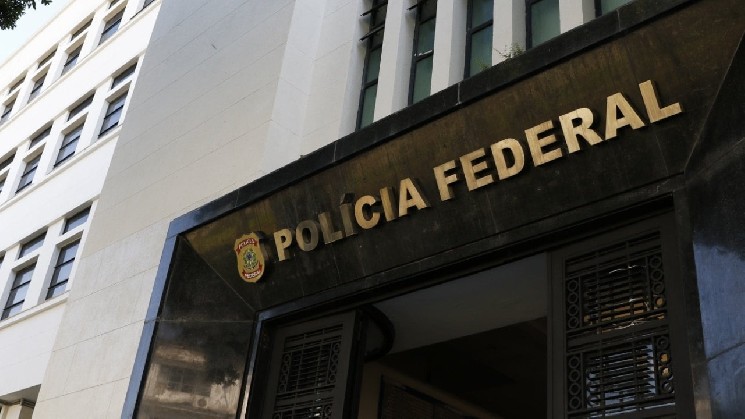
Brazilian police said the operation sent 50 officers to carry out 13 search and seizure warrants and 11 temporary arrest warrants across Sao Paulo. Investigators say the group used a “structured system to move funds through illicit cryptocurrency transfers and cash transportation.” In plain English, they allegedly blended user transactions with bank transfers. Then came physical cash movement. That makes tracing ugly fast. No crypto exchange has been named as complicit so far. Good. But that one missing name is also what traders will stare at, because one named platform can flip sentiment in an hour.
OFAC designated Victor Henrique de Oliveira Shimada and Stella Stefanie Nunes Henrique de Oliveira on July 1, along with three Brazilian companies and one Portuguese company, over alleged PCC ties. The U.S. Treasury called Shimada, now a fugitive, a “key link” and said he laundered “more than $30 million in illicit proceeds” from the U.S. back to Brazil using crypto. That is not background color. It gives regulators a clean political script: cartel money crossed borders through crypto rails. Is that the whole story? No. But it is simple enough to travel, and simple stories move banks, committees, and risk teams.
Brazilian Federal Police Chief Andrei Rodrigues said the timing of Operation Exchange was poor because it was not coordinated with OFAC’s designation. Rodrigues said, “if there hadn’t been this designation, maybe the outcome would be different, and we could have located this person. There was damage to our investigation.” I’ll be honest: that line matters more than the usual press-release boilerplate. Enforcement is not a neat dashboard where every agency sees the same thing at the same time. Agencies can chase the same network and still step on each other’s timing. For crypto firms operating across borders, compliance is not one rulebook. It is 11 temporary arrest warrants here, one OFAC designation there, and a stack of expectations that may not line up.
The Trump Administration designated PCC and Comando Vermelho as Specially Designated Global Terrorists in May, citing their “brutal attacks against Brazilian police officers, public officials, and civilians.” Add a nearly $2 billion laundering case and the political argument becomes blunt: serious organized crime is using crypto. Most industry defenses say the technology is neutral. That’s only half right. The technology may be neutral, but headlines are not. For investors, this is a regulatory pressure trade, not just a law enforcement story. We have seen the pattern before: when the SEC sued Binance in June 2023, BNB fell more than 10% within 24 hours, and Bitcoin dipped as fear spread through the market. This case does not target a major exchange yet. Still, it adds weight to stricter AML and KYC rules for stablecoin issuers and exchanges. DeFi protocols get dragged in next.
The nearly $2 billion figure is the uncomfortable part, even if some of the money moved in cash. It shows how quickly tracing gets messy once crypto transfers, bank wires, shell companies, and cash couriers sit in the same alleged network. Why does this matter? Because Bitcoin’s safe haven pitch depends partly on trust, and cases like this hand critics an easy counterexample. BTC has attracted inflows during periods of geopolitical stress before, including an 8% gain during the January 2020 Soleimani strike. Counter to the usual advice, the first price move may not be the important one. The slower damage could come through higher compliance costs, colder institutional demand, and a louder political argument that crypto is too risky to leave loosely regulated. Watch the follow-through.
What this means
This bust suggests law enforcement is getting better at tracing crypto-linked criminal networks, but the $2 billion headline will still sting. Regulators will use it. Privacy coins and DeFi protocols that make tracing harder could face more pressure, especially on centralized exchanges that do not want a fight with U.S., Brazilian, or European authorities. My read: delistings become easier to justify after a case like this. Banks will ask more questions before touching crypto firms. Wallet screening will look less optional. Yes, this contradicts the idea that no exchange being named keeps the sector insulated. Bear with me: legal exposure and reputational exposure do not move at the same speed. If the “crypto equals crime” line sticks with policymakers, new institutional money into assets like ETH and SOL could slow down.
Investors should watch for new names from Brazilian authorities or OFAC, especially any exchange, broker, payment company, or stablecoin channel tied to the case. A direct action against a large platform would matter far more than another broad warning. Is this overkill for investors already tracking macro, ETF flows, and liquidity? No. A single named platform could matter more than another speech at a G20 or FATF meeting. For Bitcoin, the $60,000 level is the line to watch. If regulatory headlines keep piling up and BTC breaks below that level with volume, the next move could get ugly. Any action against unhosted wallets or specific DeFi protocols would say more than another round of official statements.
FAQ
Q: What is Operation Exchange?
A: Operation Exchange is a Brazilian Federal Police operation targeting a PCC-linked criminal group accused of laundering money through crypto and cash.
Q: How much money was allegedly laundered?
A: Authorities say the group laundered nearly $2 billion using cryptocurrency and cash.
Q: Which criminal organization was involved?
A: The operation targeted a group linked to Primeiro Comando da Capital, or PCC.
Q: What is the PCC cartel?
A: PCC is a Brazilian criminal organization. The U.S. government has designated it as a Specially Designated Global Terrorist group.
Q: Were any specific crypto exchanges implicated?
A: No. Authorities have not named any crypto exchange as complicit, though the investigation is still open.
Q: Who is Victor Henrique de Oliveira Shimada?
A: Victor Henrique de Oliveira Shimada is a fugitive whom the U.S. Treasury described as a “key link” in laundering illicit proceeds for the PCC.
Q: Why does the OFAC designation matter?
A: It shows that U.S. officials are targeting people and companies they believe helped the PCC move money, including through cryptocurrency.
Q: How did the lack of coordination between Brazilian and U.S. authorities affect the investigation?
A: Chief Andrei Rodrigues said the OFAC designation may have hurt Brazil’s effort to locate key suspects, causing “damage to our investigation.”
Q: What could this mean for crypto regulation?
A: The case could strengthen calls for stricter KYC and AML rules, especially around privacy coins, DeFi protocols, and exchange listings.
Q: How might this affect investor sentiment?
A: Cases like this can make investors more cautious, especially if they lead to enforcement actions against major crypto platforms or tougher global rules.