
















































FOMC Holds Rates as Hawkish Dissent Keeps Crypto Traders on Edge
The Federal Reserve left its policy rate at 3.50% to 3.75% at its July meeting. Risk assets initially welcomed the decision. Fair enough. But the 9-3 vote changes the read: three officials wanted a rate hike. My take? That split raises the odds of more turbulence for Bitcoin and the rest of the crypto market while monetary policy remains tight.
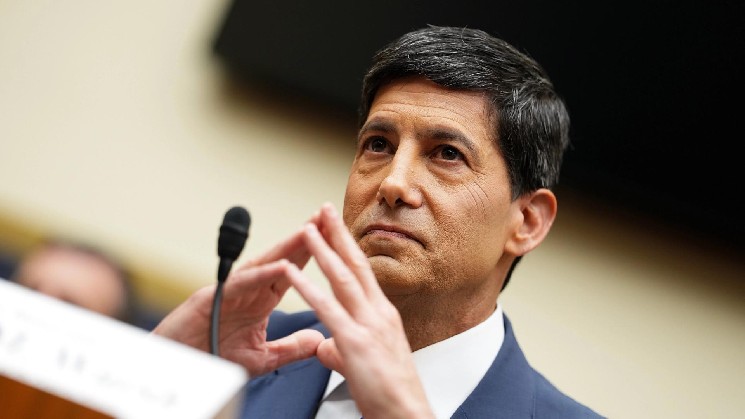
Most traders expected the Federal Open Market Committee (FOMC) to hold rates. That was only half right—the decision was far from unanimous. Beth Hammack supported a 25 basis point increase. So did Neel Kashkari. Lorie Logan did too. I’ll be honest: the split matters more to me than the hold itself. Several Fed officials still want tighter policy because inflation remains above the 2% target, partly due to recent shocks. The statement barely changed from June. The dissent was the news.
The Fed said the U.S. economy continues to grow at a strong pace, with employment growth roughly matching the labor supply and the unemployment rate barely moving. Productivity remains strong; capital investment does too. Since the economy is holding up while inflation stays high, officials have room to debate another increase. Why does that matter for crypto? Because expensive money leaves investors with less capital—and less appetite—for speculative bets. Most commentary treats the rate hold as relief. I think that is too neat. Crypto investors should not expect the “higher for longer” argument to fade anytime soon.
Those three dissenting votes give crypto traders a specific reason to worry. High borrowing costs often pull money from cryptocurrencies toward assets offering steadier returns. Early 2022 showed the damage: the Fed started raising rates aggressively, and crypto prices sank. Bitcoin (BTC) did not tumble immediately after this announcement. Still, the risk of another hike could cap any rally. I keep coming back to $29,000. A sustained move below that level may mean macro concerns are bringing sellers back.
The Fed also discussed maintaining enough reserves in the banking system. It sounds dry because, frankly, it is. Yet the discussion reveals how officials are thinking about financial stability. Trouble in traditional finance can strengthen the case for Bitcoin as an alternative store of value—but here is the awkward part: BTC still behaves like a risky asset when the Fed tightens policy. Gold often rises quickly when economic or geopolitical nerves flare. Bitcoin is much less reliable. Is the safe-haven argument dead? No. During the banking turmoil of March 2023, BTC briefly moved above $28,000, offering a real-world glimpse of that case. Counter to the usual pitch, though, one episode does not make Bitcoin consistently defensive. Continued pressure from the Fed could still stop rallies when conventional markets offer decent returns at lower risk.
What this means
The Fed remains intent on bringing inflation back toward 2%, even if that requires keeping rates high. The three dissenting votes leave little doubt. Crypto prices will likely swing with economic reports and any suggestion of another increase. Ethereum (ETH) may fall more than Bitcoin; smaller altcoins could be hit harder still because shifts in market liquidity punish them first. Trading could get messy. My read is blunt: holding rates steady did not solve the problem. It delayed the next call.
Inflation and employment reports come next. Both will influence the Fed’s September decision. Watch whether more officials join the three dissenters, then check whether the next statement uses different language. The CME FedWatch Tool shows how traders are pricing the chance of another hike. For Bitcoin, the markers are concrete: staying above $31,000 would brighten the short-term outlook, while a drop below $28,500 would indicate that pressure from monetary policy has taken control again. Yes, that sounds narrowly technical. In this market, those levels matter.