















































Trump’s Iran Deal: Oil Flows, Crypto’s Safe-Haven Story Gets a Real Test
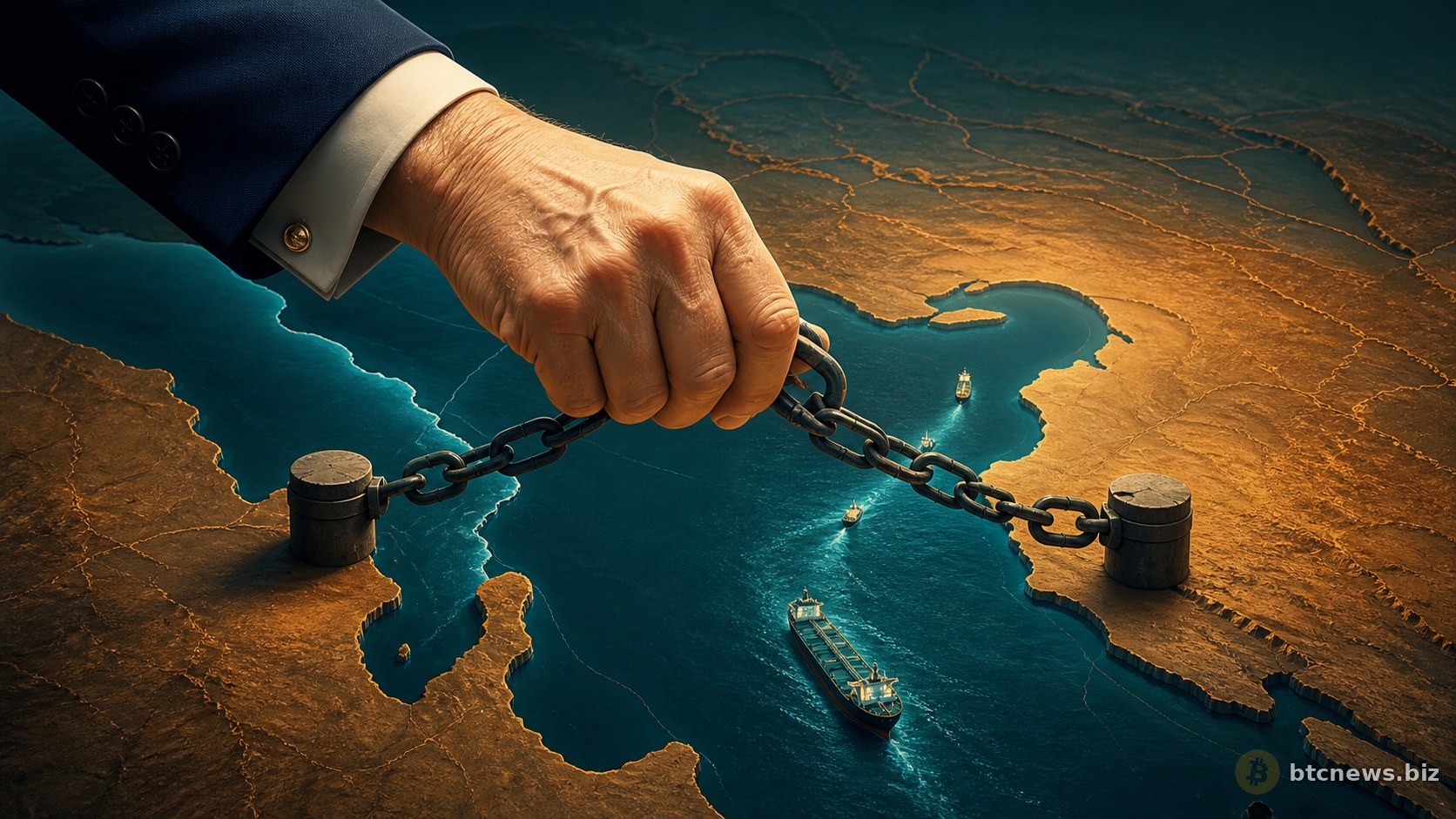
Donald Trump says the Iran deal is done. If it holds, oil markets move first. Bitcoin’s “safe haven” pitch then gets a cleaner test than the noisy versions traders usually argue about on bad data days. The U.S. naval blockade would lift immediately, and the Strait of Hormuz would reopen without tolls. That matters. One of the world’s most watched shipping routes would cool down fast, at least on paper. Crypto rarely treats that kind of headline like background noise.

US President Donald Trump announced that the agreement with the Islamic Republic of Iran is complete. His statement authorized free passage through the Strait of Hormuz, with no tolls, and the immediate lifting of the U.S. naval blockade. Trump said, “The deal with the Islamic Republic of Iran is now complete. Congratulations to everyone. I fully authorize the free passage through the Strait of Hormuz and the immediate lifting of the U.S. naval blockade. Ships of the world, start your engines! Let the oil flow!”
This is where crypto gets interesting, and honestly, a little uncomfortable. For years, Bitcoin (BTC) has been sold as digital gold: the asset people buy when politics gets ugly and the normal playbook starts looking thin. That argument showed up in January 2020 after the Soleimani strike, when BTC rose 8% within 72 hours as traders moved toward assets they saw as safer. The logic was simple enough. Trust shakes, money looks for an exit. But now the setup is reversed. If a major source of tension eases, does some of that safe-haven bid leave BTC? Maybe. Or maybe oil, rates, dollar liquidity, and leverage still matter more than the headline.
Most guides treat geopolitical easing as automatically bearish for Bitcoin. That’s only half right. My take: calm in the Gulf may hurt the safe-haven trade, but oil and rates matter just as much. The global economy is still dealing with inflation worries and the Federal Reserve’s next move. If more Iranian oil reaches the market and crude prices fall sharply, inflation pressure could ease. That could push the Fed toward a softer stance, or at least make rate hikes harder to defend. Risk assets would probably like that, including Ethereum (ETH) and some altcoins.
Here is the annoying part. There is another path. If traders read the deal as proof that global risk is fading, money could rotate back into equities and out of crypto. Yes, that partly contradicts the softer-Fed argument above. Bear with me. Markets can price lower inflation and lower fear at the same time, and those flows do not always land in the same assets. The last sustained drop in oil did not give crypto a clean signal either. BTC held above the $61.4K support level for several weeks, then the wider market corrected.
What this means
The Iran deal could change oil flows and reduce the risk premium markets had priced in. For crypto, the geopolitical fear bid may fade, at least for now. Why does this matter? Because BTC’s safe-haven story needs real stress tests, not just recycled slogans from bull-market threads. Traders should watch Bitcoin (BTC) for a clear break below support. If BTC slides and stays below key levels, that would suggest money is leaving the safe-haven trade. If liquidity still looks supportive, especially because inflation cools or the Fed sounds less aggressive, BTC may absorb the hit. ETH could even benefit if traders move back into higher risk assets.
Watch oil first. Then inflation data. Skip the victory lap. The next FOMC meeting matters because it will show how the Fed reads this change, especially if crude moves fast. CME Bitcoin futures are also worth tracking for signs of a shift in institutional positioning. Is this overkill? For a headline that touches oil, inflation, rates, and BTC positioning at once, no. A break below BTC’s $61.4K support level would look bearish. Holding above it would say something else: traders may care less about the Iran headline than the wider liquidity picture.