















































Crypto-Friendly States Are Pulling Ahead, Draper Index Finds
The March 2026 update to the Draper Innovation Index (DII) lands on a blunt conclusion: crypto-friendly states are attracting founders and changing where U.S. startups put down roots. My read: the rankings are less a victory lap than a map of mounting pressure. For crypto investors, they show where adoption could accelerate—and where companies may go when local rules become too costly or restrictive.
Location matters. A lot. Blockchain and digital asset companies bring jobs and venture money; political clout often follows. Over time, that presence may shape the rules governing crypto investments. The DII measures how well states attract entrepreneurs and capital, along with emerging technology. Most commentary still defaults to the familiar tech hubs. That is only half right, at least in this year’s results.
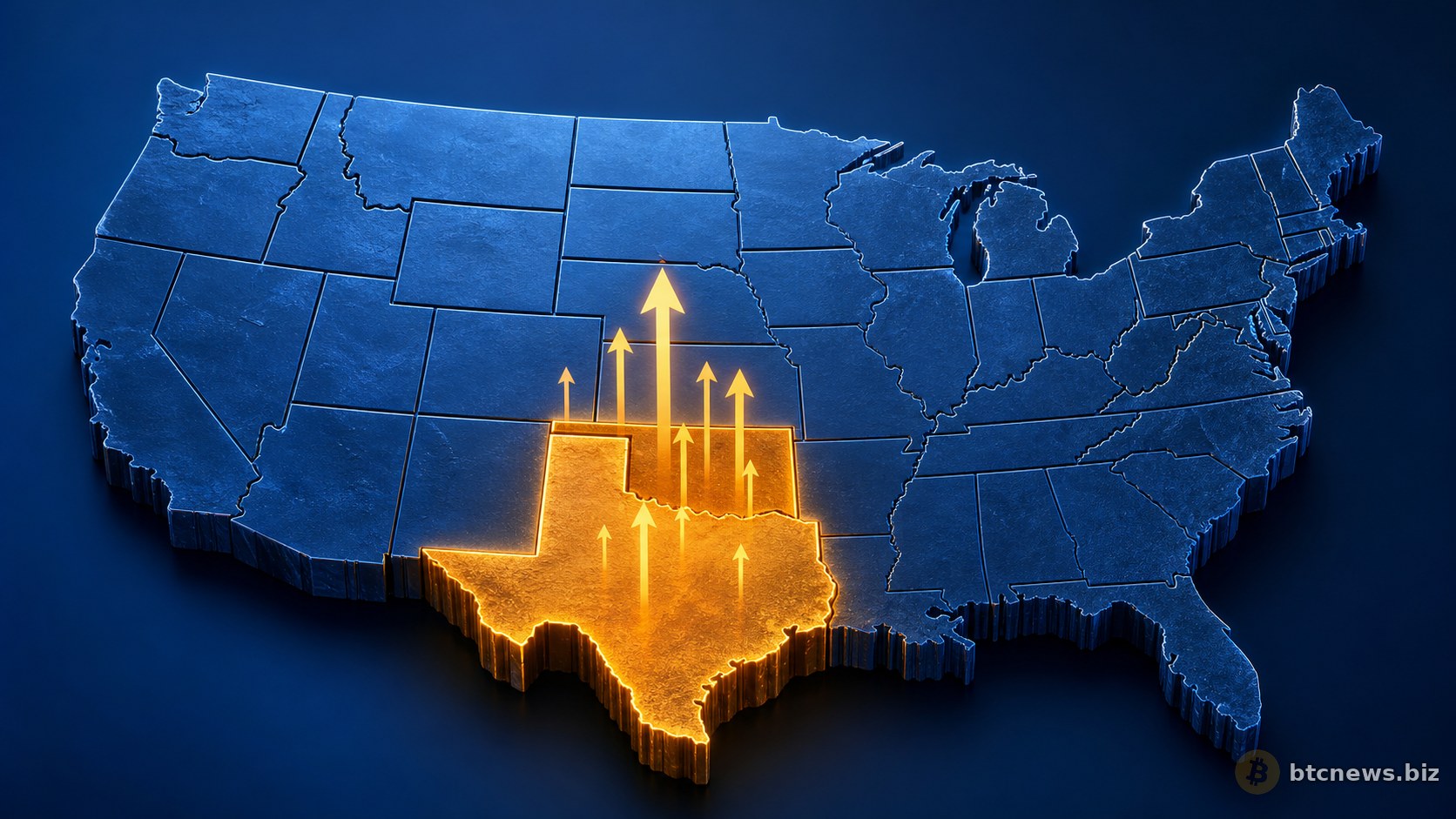
Texas climbed to fourth place in the U.S. ranking, overtaking Wyoming. Venture capital investment increased, including funding for cryptocurrency and blockchain companies, while business creation also rose. Oklahoma made the sharper move, jumping to 15th place after gains in startup formation and crypto venture funding. Both states have been courting digital asset businesses. Apparently, the sales pitch is landing. I’ll be honest: those two moves are harder to dismiss than another vague “innovation-friendly” pledge.
The old leaders? Sliding. California, once the default home for American tech startups, has dropped to 31st. New York sits at 49th—a grim result for a state with so much money and financial talent. Why does this matter? Because the index ties both declines to weaker business formation. Their large economies still count, and their startup networks have not vanished. But those advantages have not outweighed policies some founders consider expensive or restrictive, especially in crypto.
New Hampshire is the surprise. It ranks 40th in state GDP and 42nd in population but finished third in the DII. I had to check that number twice. Conventional advice says economic scale wins. New Hampshire suggests tax and business policies can outweigh it. BizWorld credits the state’s tax structure and startup policies with drawing entrepreneurs. For crypto companies, clear rules cut uncertainty; low entry costs preserve time and money. Simple, but not trivial.
Tim Draper, whose name is on the index, was direct: “When taxes get punishing, when regulations pile up, when policy stops rewarding risk… founders leave.” Crypto founders have repeated that complaint for years, often while explaining why they opened an office elsewhere. And the contest is not confined to the 50 states. Canada fell from third to fifth in the index, while instability and capital flight were linked to declines in other countries. Governments want founders. Crypto businesses are part of that fight.
Crypto policy increasingly affects where companies open; so does the basic cost of starting a business. Investors can treat these changes as an imperfect guide to where talent and money may head. Imperfect is the key word. States that welcome digital asset companies could attract more venture funding, then build stronger local networks for crypto projects. That may create openings for early investors. Established businesses such as Coinbase (COIN) could also find better places to hire or expand. Is a new office automatically bullish for the stock? No. Opening one in a new state does not guarantee stronger stock performance.
Federal pressure has not disappeared. Critics have often blamed agencies such as the SEC for pushing crypto work outside the United States. The DII suggests states can soften some of that pressure with business incentives and clearer local rules. Counter to the usual advice, though, regulatory competition will not necessarily make the system simpler. A company may face one set of expectations in Texas and a very different set in New York. It will be untidy. Even so, lawmakers may pay attention once companies and workers begin moving—and tax revenue moves with them. To my eye, that says more about adoption than another crypto-friendly speech from a politician.
What this means
The DII results suggest state incentives and regulatory shopping are beginning to steer U.S. crypto growth. Venture funding and new business formation are shifting toward Texas and Oklahoma while California and New York fall behind. Founders appear willing to relocate when costs or restrictions become too heavy. Companies working on real-world asset tokenization may benefit most from states that clearly define what is allowed. So may businesses that cannot sit idle for months waiting on a regulator. Different corners of the industry could cluster in different places: miners in one state, DeFi companies in another. Yes, that complicates the tidy “one best crypto state” story. It is probably closer to reality. If those clusters form, token prices and company valuations may become more sensitive to local political risk.
Investors should track legislation in Texas, Oklahoma, and New Hampshire, then test the political promises against actual funding and company registrations. Blockchain venture announcements are useful. Relocations matter more. A large company moving employees and operations is harder to shrug off than a press release. My take: watch Coinbase (COIN) and Marathon Digital Holdings (MARA) for new offices, facilities, or hiring in these states. Would those moves prove the DII’s entire case? No—but they would support it and could draw more investment into local markets. They might not lift crypto prices broadly. They would reveal something more concrete: where the industry believes it can operate without forever wondering which rule will change next.