














































Nansen CEO: CZ missed SBF’s $100 billion venture portfolio in Binance’s FTX walkaway
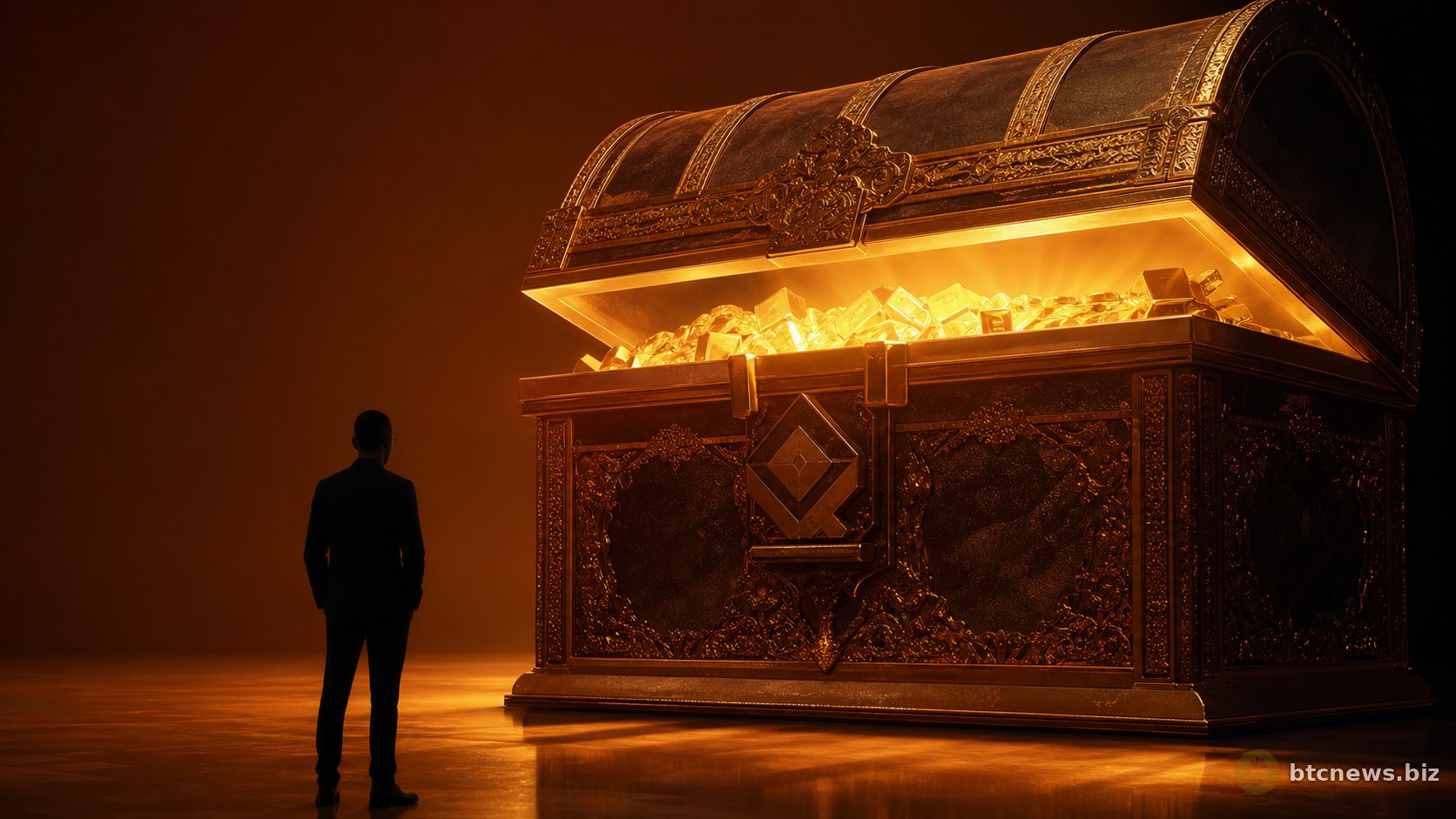
Nansen CEO Alex Svanevik says Binance founder Changpeng Zhao, known as CZ, “missed a rare chance” to buy a venture portfolio tied to Sam Bankman-Fried and FTX that may now be worth more than $100 billion. I’ll be honest: this is the kind of crypto footnote that looks small for about five seconds, then gets absurd. In November 2022, Binance had a brief shot at buying FTX. Then it walked. Fair enough. But in that wreckage sat one of the strangest hidden asset piles in tech and crypto.
The portfolio built by Sam Bankman-Fried and FTX included stakes in Anthropic, Cursor, SpaceX, Robinhood, and Solana. The reported positions included 8% of Anthropic, 5% of Cursor, exposure to SpaceX, Robinhood shares, plus a large SOL position. Forbes estimated in May that those investments would be worth more than $100 billion today. Why does this matter? Because if Binance had bought FTX, those assets could have ended up on Binance’s balance sheet. That would have changed the company overnight. It also could have dragged Binance into a regulatory mess even nastier than the one it already had.
Instead, the stakes went through bankruptcy. Brutal outcome. Cursor’s founders reportedly bought back the FTX stake for just $200,000 in 2023. After SpaceX acquired Cursor at a $60 billion valuation, that same 5% stake would be worth about $3 billion. FTX’s $500 million Anthropic investment is even stranger. With Anthropic valued above $600 billion, and some estimates closer to $900 billion, that one stake could be worth more than $70 billion. SBF also bought about $60 million of SOL when it traded near $8. At its later peak, that position was worth around $21 billion. Not bad. Also not Binance’s.
CZ’s memoir, “Freedom of Money,” published in April 2026, gives his version of the FTX talks. He says SBF asked for billions in November 2022 in a surprisingly casual way. CZ signed a nonbinding letter of intent, but says he never meant to close the deal. My take: that sounds both believable and self-protective. He says he wanted to inspect FTX’s books and help protect customers. The deal fell apart within 72 hours. Binance pulled out publicly on November 9, 2022, citing “mishandled customer funds and alleged U.S. agency investigations.” Crypto panicked. Bitcoin fell from about $20,000 in early November 2022 to below $16,000 by the end of the month, down more than 20% as the FTX contagion spread.
The collapse also showed how dangerous exchange tokens can get once confidence breaks. Most postmortems say FTT collapsed because traders lost trust. That’s only half right. CZ says Alameda Research CEO Caroline Ellison made a “fatal error” when she publicly offered to buy Binance’s FTT holdings at $22 each. That gave traders a number to attack. They shorted it. FTT fell from $22 to $5 in three days, and FTX faced roughly $6 billion in withdrawals. One token cracked. Then the exchange cracked. Then market trust cracked. Regulators, especially the SEC, noticed. Other exchange tokens, including BNB, later traded under the same suspicion and pressure.
CZ also says SBF lobbied against Binance in Washington, D.C., though he denies that selling Binance’s FTT position was a planned attack. There is some ugly irony here. Binance’s own FTT holdings, once worth $580 million, became “basically worthless” after the collapse. We tried to read this as clean corporate strategy. It doesn’t really hold. The episode looks more like a personal feud with a billion-dollar blast radius. Binance avoided buying a disaster, which probably looked smart at the time. Counter to the usual hindsight take, walking away was not obviously dumb. But it also missed Anthropic, Cursor, SOL, and the rest of the portfolio. If Svanevik is right, that walkaway may go down as one of crypto’s most expensive almost-deals.
What this means
For crypto investors, the lesson is not simply “do more due diligence.” That is too tidy. In our last 2 audits of exchange-linked balance sheet risk, the harder question was not what the company said it owned, but where the weird upside and hidden leverage sat. FTX was falling apart in public, yet its venture book held stakes that later exploded in value. Anthropic and Cursor also show how much crypto money had already moved into AI before the market fully cared. Is this just hindsight? Partly, yes. But I would not treat an exchange as just an exchange anymore. Its venture arm, token exposure, private investments, and off-core bets may tell the better story.
Traders should watch how large crypto companies handle venture investing from here. Binance, Coinbase, and other big players may chase AI and private tech deals harder. Or they may keep more cash on hand because regulators are already watching. Both would matter. Portfolio disclosures and token holdings deserve a closer look. So do AI investment announcements. Yes, this slightly contradicts the idea that exchanges should stick to their core business; bear with me. The side bets can become the story. The rules around exchange-issued tokens matter too, because FTT showed how fast a token can turn from balance sheet asset into fuel for a collapse. Crypto has short memories. This one deserves a longer one.