
















































Clarity Act draft looms: Senate crypto bill’s last shot before midterms
A new draft of the Clarity Act could appear next week, and the timing is the whole story. The crypto market structure bill is running out of calendar before the 2026 election season starts swallowing oxygen. CoinDesk reported the timing. My take: this is not just another “Washington may regulate crypto someday” headline. The bill would decide which digital assets sit with the SEC, which ones sit with the CFTC, and what rules crypto investors, traders, exchanges, token projects, custodians, and developers have to live under.
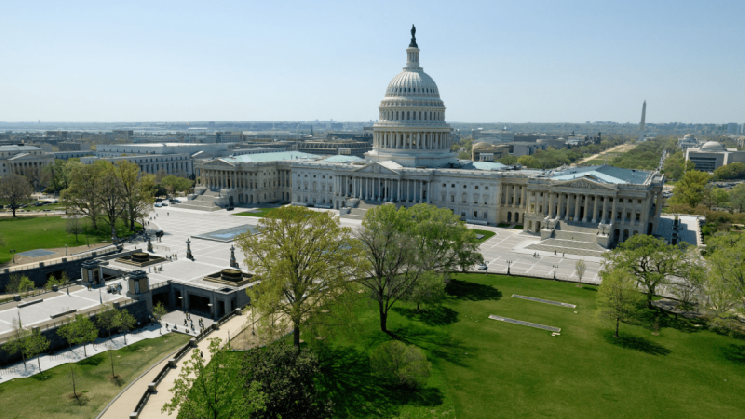
The new text is expected to combine work from the Senate Banking and Agriculture committees after weeks of bargaining, with more focus on consumer protection. Senate supporters are eyeing possible floor action as soon as the week of July 20. That is soon. Really soon. Congress has only a short stretch before the summer recess; after that, fall campaign politics make this bill heavier to lift. The House passed its version in 2025 with votes from both parties. The Senate has been harder, which is the polite way of saying the votes still are not there.
The problem is simple. Except it is not. Democrats are the hinge. The bill needs 60 votes in the Senate, so Republicans need a real bloc of Democrats with them, and they do not have that yet. The main fight is over ethics language Democrats want in the bill. It would limit senior government officials, including the president, from keeping business ties to the crypto industry. Several lawmakers have said they cannot vote yes without some version of those limits. I will be honest: I do not think that is just theater. It goes straight at the complaint that crypto has too much pull in Washington, and that kind of story can hit market names quickly. COIN fell about 3% in early June during a similar bout of regulatory anxiety.
Most crypto regulation coverage treats jurisdiction as a dry plumbing issue. That is only half right. The Clarity Act would set federal rules and draw a cleaner line between the SEC and CFTC, one of the market’s messiest open fights for years. Why does this matter? Because a token treated as a securities problem can trade, list, disclose, and raise capital very differently from one treated under a commodities framework. The Senate Banking Committee’s May draft dealt with stablecoin yield and decentralized finance, or DeFi. The merged draft is also expected to revisit federal preemption, meaning how much power states keep once national market rules exist.
For DeFi teams, one of the biggest pieces is the Blockchain Regulatory Certainty Act. That provision would protect developers from being treated as money transmitters when they do not control customer assets. Senator Ron Wyden’s recent support helped keep that language alive. Counter to the usual advice, this is not just something lawyers should watch. Builders, token holders, exchanges, and compliance teams all have exposure here. Regulatory headlines still move prices. Altcoins and DeFi tokens can swing 5% to 10% on this stuff. Sometimes more. It is not subtle.
The ethics fight is not the only thing slowing this down. CoinDesk reported in June that negotiators were still working through Agriculture Committee concerns, law enforcement objections to DeFi developer protections, and stablecoin yield rules. SEC and CFTC staffing is another loose end, with the White House and Senate leaders split over vacancies. The merged draft is more than two old bills stapled together. It reportedly adds more than 70 pages of new material and puts more weight on consumer protection. We have seen this pattern before in financial legislation: the headline compromise arrives, then the operational details start eating the clock.
But the bill is still unfinished. It does not yet have the Democratic votes it needs, and the White House has not signed off on the merged text. Even if the Senate passes it, the House would still have to approve the revised version before it could reach President Donald Trump’s desk. Is that impossible? No. Is it a clean path? Not even close. That is a lot to squeeze into a narrow window.
What this means
This is one of those weeks when crypto regulation stops being background noise. If the Clarity Act passes, the U.S. would finally have a clearer federal rulebook for crypto markets. That could help BTC and ETH, especially when regulatory uncertainty keeps larger buyers on the sidelines or leaves the market stuck sideways. Yes, this cuts against the lazy view that crypto only cares about liquidity and rate expectations. Policy still matters. If the bill fails, the current mess continues, and the SEC and other agencies would probably keep relying on enforcement. That could hit specific exchanges. DeFi projects too. Tokens tied to them would not be immune.
Watch the Senate calendar around July 20. More than anything, watch the ethics provision. If Democrats and Republicans find a compromise there, the bill still has a path. If talks break down, markets will probably read that as another delay, maybe the one that kills it for this session. My read: the next headline matters less than whether it shows Democrats moving from “no without ethics language” to “yes with a version we can defend.” Exchange names such as COIN and BNB, DeFi protocols, and stablecoin linked projects are the most exposed to the next headline. The next few weeks should show whether Congress can pass a crypto market structure bill before the midterm cycle buries it.