
















































Polymarket Weighs KYC as Governments Crack Down on Crypto Betting
Polymarket is reportedly looking at stricter Know Your Customer checks. That would be a real break from the looser, pseudonymous model that helped make the platform popular. It also points to a hard truth about crypto betting: once a platform touches money, politics, sanctions, or war, regulators are not going to stay away.
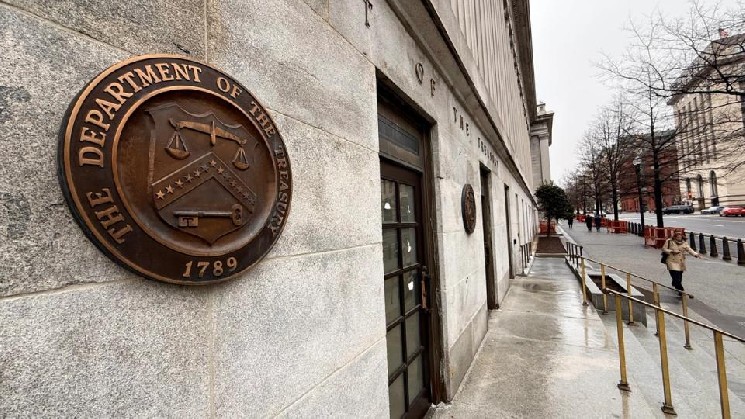
Polymarket recently blocked users from 35 countries, including Iran, Russia, and North Korea. That looks less like a minor policy update and more like an attempt to cut legal risk before the pressure gets worse. The Information reported that the company is considering KYC requirements, which would mean collecting more identity data from users. A lot of crypto users hate that. I get it. Anonymity has been part of the pitch for years. Regulators, though, see something else: sanctions evasion, illegal betting, and trades made with information regular users do not have. Several countries have already restricted similar platforms and treated them as unlicensed gambling sites, not financial markets.
The sanctions issue is only part of the problem. One case made all of this feel less theoretical: a US soldier allegedly used classified information to place a winning bet tied to the capture of Venezuelan President Nicolas Maduro, making about $400,000. Regulators remember stories like that. It raises a pretty obvious question: if someone can use private or classified information to win on a prediction market, how different is that from insider trading in stocks? For crypto investors, the awkward part is that decentralized platforms still need trust. If users think the game is rigged, the technology does not rescue it.
Pressure is also building in the United States. President Donald Trump recently said he supports giving the Commodity Futures Trading Commission sole authority over prediction markets, instead of leaving each state to write its own rules. His argument was that prediction markets are an emerging financial sector and should sit under federal oversight so they can grow. That sounds friendly to the industry at first. Maybe it is, partly. But federal oversight also means federal control, and that control could reach beyond prediction markets into other DeFi products. The CFTC matters because it has usually treated major crypto assets like Bitcoin (BTC) and Ethereum (ETH) more like commodities, while the SEC has often pushed the securities angle. One federal rulebook could help the market, even if the rules are tough. Crypto traders may hate compliance, but they usually hate uncertainty more.
Members of the US House of Representatives have also started asking questions about prediction markets tied to geopolitical events and possible insider trading. Polymarket has listed contracts connected to conflicts involving Iran and Israel, which makes the ethics hard to dodge. Betting on elections is one thing. Betting on war feels different. It also complicates the old Bitcoin “safe haven” story. BTC has sometimes jumped during geopolitical stress, including an 8% gain around the January 2020 Soleimani strike. But if governments start treating crypto betting markets as national security risks, the broader crypto market could get dragged into it. Traders know how fast that can happen. Past regulatory scares have knocked BTC down 3% to 5% in short bursts, sometimes before anyone has read past the headline.
What this means
If Polymarket adds KYC, it will be another sign that anonymous DeFi is getting squeezed, at least on platforms tied to real events, real money, and real legal exposure. I do not think that means DeFi goes away. It means bigger platforms will start looking more like financial companies, whether they call themselves decentralized or not. Crypto investors should watch which protocols can handle compliance without wrecking the product. Platforms with workable KYC and AML processes may bring in more institutional money and avoid the enforcement fights that have hurt other crypto firms. The harder question is what happens to the platforms that refuse. They may keep their most privacy minded users, but they could lose liquidity, listings, payment access, or all three.
The CFTC angle may matter even more over time. If federal regulators build a model for prediction markets, they may use that model for other crypto applications too. Trump’s support for federal oversight may clean up the state by state mess, but it also gives Washington a clearer grip on the market. Traders should watch upcoming digital asset hearings, new CFTC statements, and any formal guidance on prediction markets. Those dates can move BTC and ETH quickly. A strict rulebook could still help long term adoption if institutions finally know where the lines are. In the short run, though, expect higher compliance costs, fewer gray areas, and probably fewer places where users can bet without proving who they are.