
















































Ripple Co-Founder’s Investment Raises Ethics Questions as CLARITY Act Moves Forward
Ripple co-founder Chris Larsen reportedly backed a venture started by US Senator Kirsten Gillibrand’s son, Theodore Gillibrand. The timing is the part that sticks. Politico reported the investment on Thursday, June 20, 2024, while lawmakers were negotiating the Digital Asset Market Clarity Act, or CLARITY Act. That bill would set rules for digital asset companies in the US. For firms like Ripple, this is not paperwork in the background. These could become the rules they have to live with.
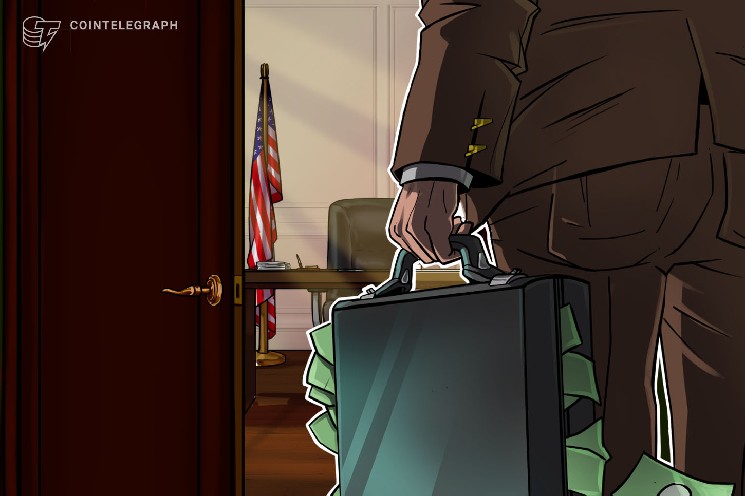
Larsen, executive chair of Ripple Labs, was reportedly one of several investors in American Perpetuals Exchange Corp. (APEC), a derivatives platform founded by Theodore Gillibrand. Politico did not report Larsen’s exact contribution. Most investors reportedly put in between $5,000 and $10,000, while APEC raised $30 million overall. Small check, big optics. On its own, that investment might look minor. Here, it does not, because Senator Gillibrand is working on the ethics language for the CLARITY Act. My take: the dollar amount is less important than the access question. The bill could affect crypto companies, including Ripple, which has spent years battling the SEC over XRP.
The investment lands at a tense point for crypto regulation. The CLARITY Act could change how digital assets are classified and regulated in the US, and Ripple has plenty at stake because of the long-running fight over whether XRP should be treated as a security. Most guides frame this as a lobbying story. That’s only half right. It is also a market-risk story, because if lawmakers or voters see a conflict of interest, even a blurry one, calls for tougher oversight can grow quickly. Why does this matter? Because regulatory headlines have moved token prices before, sometimes sharply. SEC actions against tokens have triggered drops of 10% to 15% within hours of bad news.
Senator Gillibrand has said the ethics language matters. In May, she said “no one would be voting for the bill without addressing ethics.” She also said, “we cannot allow members of Congress, senior administration officials, presidents or vice presidents, to get rich off of these industries because of their insider status. It is the worst form of pay for play.” A spokesperson pointed Cointelegraph to Gillibrand’s June 18 statement, where she said her son was “a grown adult starting his own independent business” and that she had “no involvement in it whatsoever.” I’ll be honest: that answer may be legally clean, but politically it does not end the conversation.
The story puts crypto’s Washington connections in an uncomfortable place. Larsen is not just another investor. He is one of the better-known names in crypto. When someone like that backs a company tied to a lawmaker’s family, even indirectly, people are going to look twice. I would. That scrutiny can feed the market’s usual anxiety around regulation, especially when institutions are already cautious. Counter to the usual advice, Bitcoin (BTC) is not always the clean shelter in moments like this. During wider political stress, investors sometimes move toward assets they view as safer, and Bitcoin (BTC) sometimes gets treated that way, though not consistently. With the CLARITY Act, the risk is narrower and messier: derivatives platforms first, then tokens in legal gray areas, then companies already fighting regulators. Democrats have pushed for stronger ethics language, pointing partly to former US President Donald Trump’s crypto ties. Senator Cynthia Lummis has said Senate Republican leaders expect the bill to pass in July, while lawmakers keep working through ethics, decentralized finance, and illicit transaction provisions.
Senate Republicans have a narrow majority, so they still need Democratic votes to reach the 60-vote threshold. That math is the problem. Lawmakers are away for Independence Day state work periods, and August brings another month-long break. The window before US election day is getting tight. Is this fatal for the bill? No. But add a new ethics dispute, and a bill that was already hard to pass gets harder.
What this means
This raises the chance of closer scrutiny around crypto and political conflicts of interest. For crypto investors, that means more regulatory risk, especially for projects covered by the CLARITY Act. Ripple (XRP), already under close regulatory watch, could face fresh pressure depending on how the final language is written and enforced. Yes, this sounds narrower than the broader market panic described above. Bear with me: the first reaction may be political, but the second reaction is usually sector-specific.
The next thing to watch is whether the CLARITY Act keeps moving in the Senate. Watch for statements from Gillibrand and other lawmakers when they return to session on July 13. A deadlock, delay, or major amendment could shake the market. Traders should also watch how crypto responds to regulation headlines more broadly. If the mood turns toward tougher oversight, altcoins will probably take the harder hit compared with Bitcoin. The 60-vote threshold matters. So does whether Democrats stay on board while the ethics questions are still hanging over the bill.