














































BonkDAO Loses $21M in Governance Exploit, Raising Regulation Questions
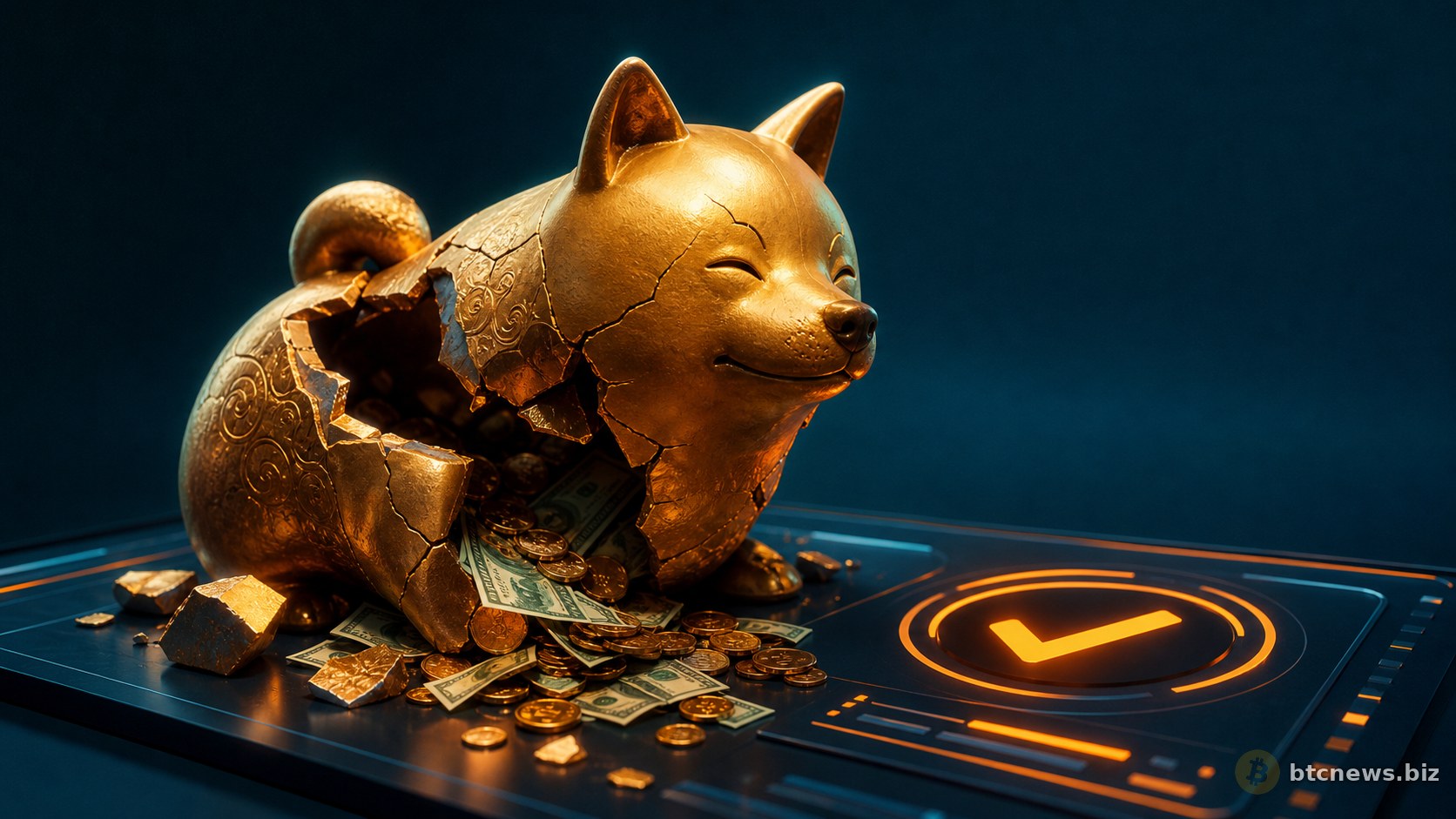
BonkDAO lost $21.2 million after its voting system let one buyer approve a proposal that sent treasury funds to his own wallet. No smart contract broke. No private key leaked. One buyer picked up $4.4 million worth of $BONK, waited through a seven day review period, and used the DAO’s own process against it. I’ll be honest: that is worse than a normal bug in some ways. The system worked the way it was built to work. It just should not have been built that way.
The attacker bought $4.4 million worth of $BONK, used those tokens to pass his own proposal, and moved $21.2 million out of the treasury. The proposal appeared on the BonkDAO forum and sat there for seven days without enough resistance to stop it. Then the attacker voted “yes” with the tokens he had just bought. The vote passed. The transfer ran. $21.2 million went straight to his wallet. On chain, that was it. The DAO could complain after the fact, but it could not just roll the transfer back. Brutal.
This was a governance exploit, not a normal hack, which makes it more awkward for DAOs and more useful for regulators. Most guides treat governance risk like a soft community problem. That’s only half right. Here, governance risk became a $21.2 million transfer instruction. “Code is law” sounds neat until the rules let someone leave with the treasury. The SEC and other regulators have already been watching DAOs, token voting, staking, exchanges, and governance tokens that may be unregistered securities. BonkDAO gives them a clean example: one actor bought enough influence to force a vote through. That is not an abstract policy debate. It is a dollar amount.
Regulatory analysts will probably bring up this case when arguing for tighter rules around DAO treasuries and voting rights. That could mean identity checks for voters, stricter treasury proposal rules, limits on governance systems that can move large sums with thin participation, or more formal controls around execution delays. My take: one exploit does not kill DAO governance. It does, however, make the pitch much harder. The market is already jumpy around regulation. In early 2023, fear around staking helped push ETH down roughly 5% to 7% for a short stretch. Could governance tokens see the same kind of mood shift? Yes, especially if another treasury shows the same weak spots.
The exploit also makes DeFi harder to sell to institutions, especially compliance teams that already distrust messy governance. Institutions have been inching into crypto, mostly through cleaner products like Bitcoin exposure. BlackRock and Fidelity pushing Bitcoin ETFs helped make BTC feel more acceptable to traditional finance. DeFi is a different conversation. A bank or asset manager can understand a technical bug. They may hate it, but it fits a risk model they already know. A $21.2 million loss caused by a vote that technically followed the rules is harder to explain in a risk meeting.
This is the sort of incident that slows conversations down. Not forever, maybe not even for a full year, but enough to matter. Any institution looking at DAO governed protocols will ask sharper questions now. Who can submit proposals? How long do proposals sit before execution? Can one wallet swing the vote? Is there a multisig delay on treasury transfers? If the answers are fuzzy, capital waits. Counter to the usual advice, transparency alone is not enough here. Everyone could see the process. The money still left.
What this means
BonkDAO shows that decentralization does not remove trust. It moves trust into the rules, the voters, and the people who are supposed to catch bad proposals. That is the uncomfortable lesson. A DAO can be open and automated. It can be transparent too. Still exploitable. Why does this matter? Because “trustless” systems still need humans to notice when the rules are being gamed. They need review periods that matter. They need quorum rules that cannot be bought cheaply. They need people to read the forum before the money leaves.
Other DAOs with large treasuries should expect more scrutiny after this. I would not call every low-turnout vote dangerous, but proposals that pass with thin participation now deserve a harder look. Investors should watch protocols where short review windows meet token voting that lets one large holder decide the outcome. Governance tokens are not just voting badges. They are risk surfaces. Expect volatility in major governance tokens if similar setups are found elsewhere.
From here, watch how other DAOs respond and whether regulators decide this is the example they needed. I would look for longer proposal delays, mandatory multisig approval for treasury transfers, emergency pause options, sharper alerts for large transfers, and clearer escalation paths when a suspicious proposal appears. Yes, this contradicts the usual decentralization instinct: more checks can mean less pure automation. Bear with me. When $21.2 million can move because one buyer won one vote, purity is not the only risk worth measuring. BonkDAO also has to deal with $BONK itself. Price action matters, but so does the community response: whether it explains what failed, changes the rules, and gives token holders a reason to believe this cannot happen the same way again.
Regulators are the other piece. Any SEC statement, enforcement action, or new guidance around DAO governance could hit more than BonkDAO. It could affect the wider DeFi market, especially tokens tied to voting power and treasury control. Is this overkill for a small DAO? Maybe. For a treasury that just lost $21.2 million, no. The next few months matter because protocols will either patch the obvious holes or pretend the problem was unique. It probably was not.
FAQ
Q: What happened to BonkDAO?
A: An attacker bought enough $BONK to pass a governance proposal that transferred $21.2 million from the BonkDAO treasury to his own wallet.
Q: Was BonkDAO hacked?
A: No. This was a governance exploit. The attacker used the DAO’s voting process instead of breaking into a system or stealing a private key.
Q: What are the implications for other DAOs?
A: Other DAOs need to review how proposals pass, who can move treasury funds, how long votes sit before execution, and whether large transfers require multisig approval.
Q: How might regulators react to this incident?
A: Analysts expect regulators, especially the SEC, to use cases like this when arguing for more oversight of DAO governance and treasury management.
Q: Will this affect institutional adoption of DeFi?
A: Probably. Institutions already worry about governance risk. A $21.2 million loss caused by a voting loophole gives compliance teams another reason to slow down.