














































South Korea’s Financial Regulator Warns Investors of Rising Memecoin Scams on Decentralized Exchanges
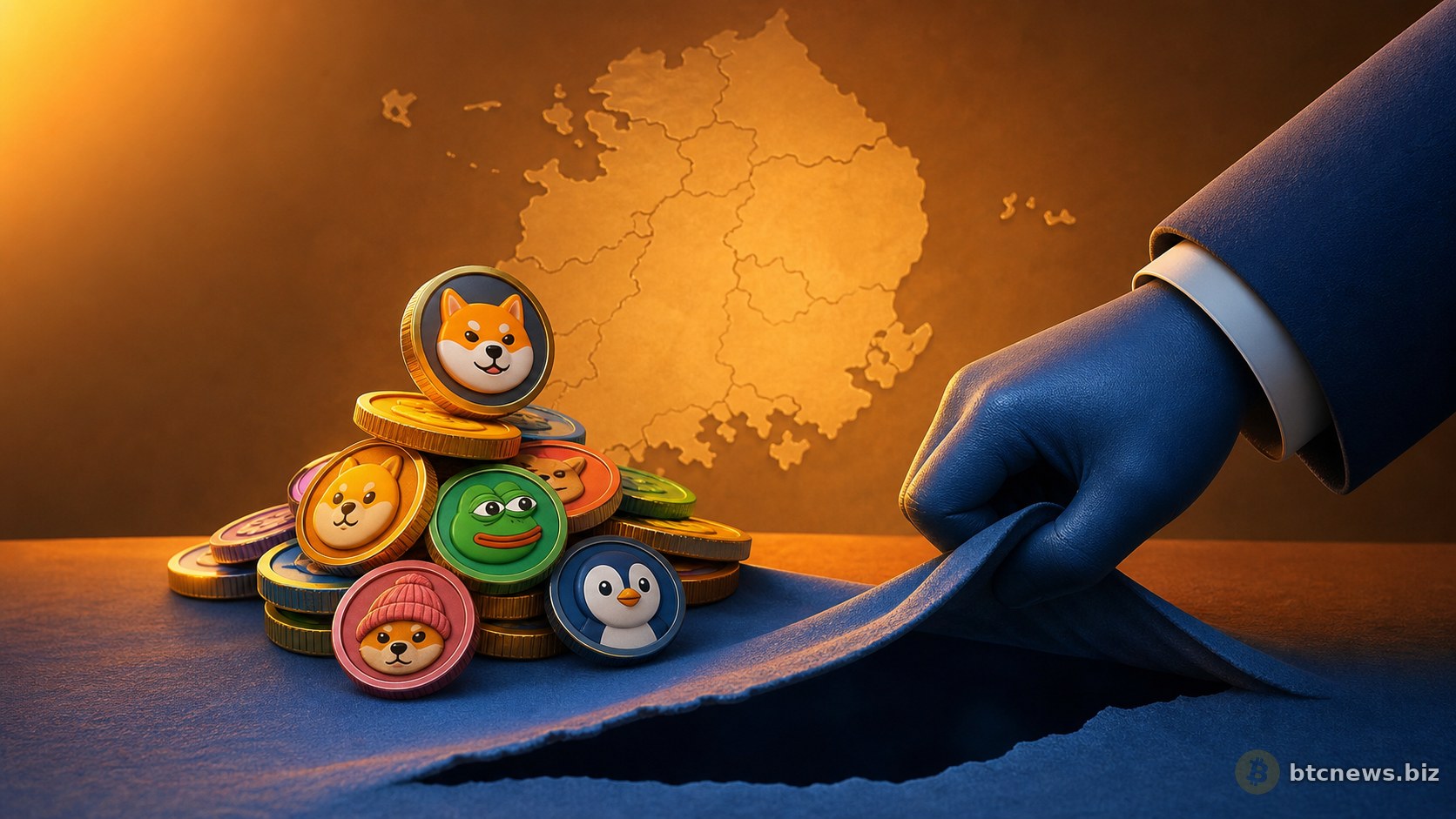
South Korea’s Financial Supervisory Service (FSS) has warned investors using decentralized exchanges (DEXs) after a rise in memecoin scams built around fake good news, Yonhap News reported. The timing matters more than it looks. South Korea’s Act on the Protection of Virtual Asset Users takes effect in July 2024, and regulators are no longer staring only at the polished side of crypto. My take: the target here is the messy long tail, especially tokens that appear overnight and disappear almost as quickly.
The FSS described a pattern it keeps seeing: scam tokens get hyped on social media shortly before they show up on DEXs. According to the agency, many of these tokens have little or no real development behind them. The playbook is not subtle. Fake articles. Fake endorsements. Telegram posts dressed up as community excitement. X threads that look organic if you skim them at lunch. Once enough buyers pile in, anonymous developers pull liquidity from the pool. The price collapses, sometimes within minutes, and late buyers are stuck with tokens they can barely sell. Old trick. Still effective. Most guides call this a “rug pull” and move on. That is only half right, because the promotion phase is where most of the trap gets built.
One warning sign, the FSS said, is heavy ownership by a small number of top addresses. If a few wallets control a large share of the supply, one coordinated selloff can break the market. Why does this matter? Because a token can look liquid on a chart while still being controlled by a handful of wallets. The agency told investors to use blockchain explorers, check transaction histories, and watch for odd activity, such as big transfers to exchanges soon after listing. Tedious, yes. Useful, also yes. I’ll be honest: this is the part casual traders skip first, and it is often the part that would have saved them. It also shows regulators getting more comfortable reading on chain behavior instead of speaking only in broad policy terms. For anyone trading small altcoins, ownership concentration is not a side detail. It is one of the first things to check.
The warning comes as memecoin trading has picked up again worldwide, helped by viral posts and celebrity promotion. South Korea has already been tightening crypto oversight, and the July 2024 user protection law gives that effort more force. The U.S. SEC has taken action around unregistered securities, while European regulators are moving under MiCA. Different rules, same mood: less patience for tokens that raise money, promise the moon, and leave buyers with nothing. Counter to the usual advice, this pressure does not always scare people out of crypto altogether. Sometimes it just pushes money into the names people already recognize: Bitcoin (BTC) and Ethereum (ETH). I would not call them safe, exactly, but they are safer than a memecoin launched by anonymous wallets on a Tuesday.
The FSS gave investors plain advice: verify project claims and check token distribution. Be careful with unsolicited messages, giant return promises, and rushed “last chance” buying windows. Plain does not mean easy. DEXs give users more control, but they also remove many protections people expect from centralized exchanges. There is usually no help desk that can unwind a trade after a liquidity pool gets drained. That burden sits with the investor. That is the uncomfortable part of DeFi that marketing copy tends to leave out. Is this overkill? For a token that can lose most of its value in minutes, no. Because DEXs do not have a central operator in the same way Coinbase (COIN) or other centralized exchanges do, enforcement is harder. Regulators often end up issuing warnings and telling users to do the checking themselves. Some traders may decide the tradeoff is not worth it and move back to regulated CEXs with KYC, AML checks, and clearer consumer protections.
What this means
The FSS warning points to where regulators are looking now: thinly traded, lightly watched corners of crypto where retail buyers are easy to trap. Not just major exchanges. Not just large tokens. The long tail is in view too. That could cool speculative altcoin trading, especially for projects with anonymous teams, vague roadmaps, or lopsided token ownership. Yes, this slightly contradicts the idea that memecoin traders ignore every warning. Bear with me. Warnings may not stop the most committed gamblers, but they can scare off the marginal buyer who was only there because a post went viral. Capital may keep drifting toward Bitcoin (BTC) and Ethereum (ETH) when regulatory pressure rises. The market may treat this as another step toward a more mature crypto sector. Maybe. My take: it also means the wild part of the market gets less room to run, and that is where many memecoin rallies live.
South Korea’s Act on the Protection of Virtual Asset Users takes effect in July 2024, so the next FSS moves are worth watching. The law could shape how other countries handle consumer protection around DeFi. Traders should watch for new FSS guidance and enforcement actions. DEX liquidity changes matter too. So do trading volumes in smaller altcoins. A drop in total value locked (TVL) on major DEXs, or a sharp fall in small cap volume, would suggest regulatory pressure is pushing capital away. Any new DeFi comments from the SEC or other regulators could add to that move. What would confirm the shift? A clean rotation into BTC while thin tokens lose volume first. In that scenario, BTC could get another run at $70,000 as traders look for relative safety, while thinner, riskier tokens take the hit first.