















































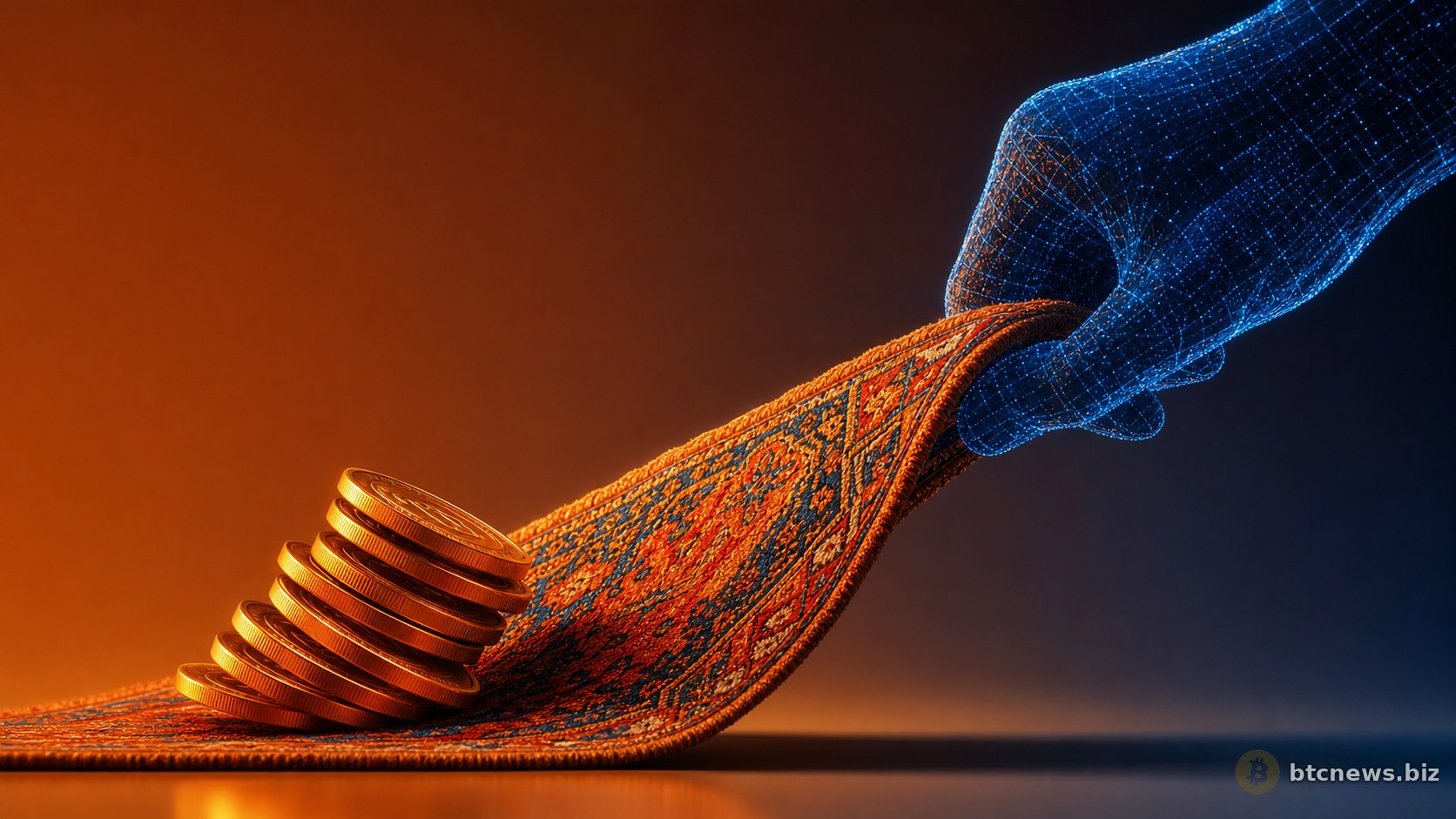
Rug Pulls: The Quiet Threat to Crypto Portfolios and How to Spot Them
Crypto still resembles the wild west in one important way: scammers keep finding new ways to hide who controls a token—and when they plan to cash out. This is not just a few dollars lost on a bad trade. Rug pulls erode trust in DeFi projects, then leave people wondering whether digital assets belong in a serious investment portfolio at all. Why does speed matter? Because some scams collapse within 48 to 72 hours, giving investors almost no time to recognize what is happening. The window closes fast.

At first, everything may look legitimate. Thousands of holders arrive, the price climbs, and social media fills with excited posts. Then the liquidity vanishes. That is a rug pull in its simplest form. Developers may spend days earning buyers’ trust by claiming the liquidity is locked or ownership has been renounced; they promote the token, wait for new money, then disappear. A hard rug is abrupt: developer wallets dump their tokens or drain the liquidity pool all at once. A soft rug takes longer. Insiders sell gradually, unlock tokens, or quietly abandon the roadmap while the price crumbles. I’ll be honest: the distinction matters less once the money is gone. In either case, developers walk away with it, Total Value Locked (TVL) crashes, and the token remains on-chain with barely any buyers or value.
Most guides say rug pulls are impossible to anticipate. That is only half right. Many leave clues before the liquidity disappears. A token can show thousands of holders while a few developer wallets still control most of the supply. Stop there. Look closer. The contract may expose hidden mint functions or retained ownership; upgradeable code and limits on selling can give developers powers buyers never realized existed. Wallet concentration deserves the same scrutiny. If the top 5 to 10 holders own more than 30% of the supply, they may be able to move the market by themselves. Risk rises further when developer tokens have no meaningful vesting period, or when the liquidity lock ends shortly after launch. SQUID and LIBRA used different sales pitches, yet both displayed the same ugly pattern: suspicious wallet activity and contract permissions, compounded by developer conduct. My take: that evidence deserves more weight than a lone score from a token scanner.
Each public rug pull also makes crypto harder to sell to newcomers. Someone arrives chasing a quick return, buys the wrong token, and gets burned. Will they care that Bitcoin had nothing to do with the scam? Probably not. In their mind, the entire market is guilty. SQUID is the clearest example: news of its collapse reached far more people than the token ever should have. Cases like that strengthen the belief that crypto is mostly a playground for fraud. Institutions grow more cautious. Legitimate teams struggle to get noticed. Bitcoin may trade near $61.4K during a calm period, but smaller tokens and DeFi projects absorb the reputational damage far more sharply. Bad impressions linger. I keep coming back to that point because technical fixes cannot quickly repair lost trust.
Scammers keep changing tactics, though several methods remain common. Honeypots lead with 98,442 scam tokens. Buyers can purchase normally; once enough money enters the pool, however, the contract blocks sales or makes selling extremely difficult. Another 60,985 cases contain hidden mint functions, allowing developers to create more tokens after launch, swell the supply, and slash the value of existing holdings. Fake ownership renunciations appear in 48,974 tokens. In those cases, a project claims decentralization while someone behind the scenes retains control. Those figures are hard to dismiss. Counter to the usual advice, studying the chart is not enough. Reading the contract can be just as useful. Price and trading history still offer warnings: an influencer-driven spike with little ordinary trading, sluggish holder growth, or big transfers from developer wallets. A drop in liquidity is another. If a token is surging and nobody can explain why, I would leave it alone. No debate.
What this means
Rug pulls are too common to dismiss as a fringe issue. Investors need clearer guidance. Token-screening tools should also translate contract permissions and wallet activity into language regular buyers can follow. The crypto market could keep growing even while people become far less willing to fund unknown projects; more money may shift toward established protocols and projects with public audits. New teams, meanwhile, may have to prove themselves before serious capital arrives. Yes, that sounds harsh. It is also rational. Traders should look past a slick website and a noisy Telegram channel. Read the code. Identify who owns the supply, then determine whether the developers can rewrite the rules after launch. Calling a project decentralized means nothing unless the contract and ownership records support the claim.
Before buying, look for verified contract code and a published vesting schedule. Then check for an audit by a named outside firm. Are these checks overkill? Not when the alternative is discovering a hidden restriction after trying to sell. They cannot guarantee safety, but they can expose certain tricks. Review wallet concentration, and confirm the exact date the liquidity lock ends. Be wary when developers retain broad control or influencers generate nearly all the attention. Thin trading volume beneath a fast-rising price is another warning. Investors and regulators will probably scrutinize new DeFi launches more closely over the next few months, while exchanges and market-data providers may introduce clearer scam warnings. That would help. Still, I would not outsource the decision to a warning label. Buyers have to pause long enough to read it.