















































Trump’s Crypto Wealth Opens a New Political Frontier
Donald Trump’s wealth rose 183% in two years, partly through crypto ventures such as the Official Trump (TRUMP) memecoin and World Liberty Financial’s USD1 stablecoin. That is not merely a story about one man’s balance sheet. It exposes the overlap between cryptocurrency, political influence, and private wealth. No previous US president posted a comparable gain during the same period after leaving office. I’ll be honest: the scale matters. Digital assets have become a substantial, though controversial, source of income for public figures. Markets notice. Regulators probably will, too.
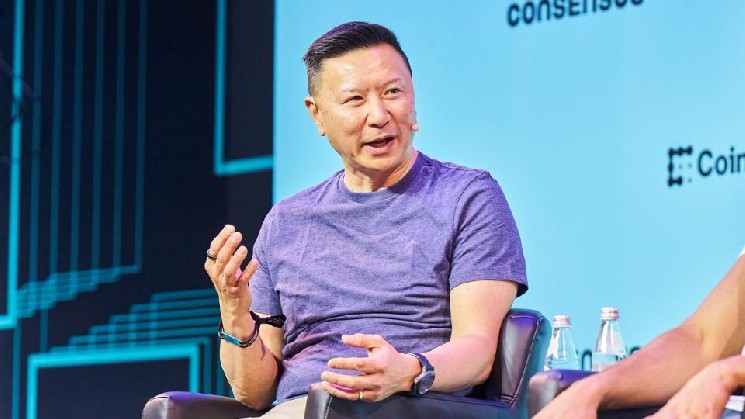
Wall Street veteran Steve Rattner compared Trump’s finances with those of George W. Bush, Barack Obama, and Joe Biden during each man’s first two years out of office. His estimate: Trump’s net worth rose 183%, versus 35% for Bush, 47% for Obama, and 5% for Biden. The gap is startling. Where did the money come from? According to Rattner, about 74% came from new ventures, including Trump Media Group assets and licensing deals. TRUMP and USD1 were also part of that group. My take: crypto was no footnote in the accounts. It sat inside the mix of businesses supporting a multibillion-dollar fortune.
Trump’s profits may offer an early clue about changing political attitudes toward crypto. A famous and bitterly divisive former president has put his name and money behind digital assets, even launching a memecoin. Most boosterish arguments would treat that as proof of legitimacy. That’s only half right. His involvement does not make the sector safer or more credible. Honestly, credibility may be beside the point. Crypto is now harder for political insiders to dismiss as a niche interest for programmers and speculators. Other public figures may see tokens as a workable way to raise money or gather supporters. They may also simply cash in on their names.
Watch the money flows. Politicians took years to warm to cryptocurrency, and many regarded it with suspicion or outright hostility. Trump’s ventures show that some political figures are now willing to own and promote tokens, then profit from them. Does that guarantee broader acceptance from institutions or governments? No. Still, small signs of institutional interest have moved prices before: Bitcoin climbed more than 8% in the week after BlackRock applied for a spot ETF in June 2023. Trump’s projects are very different. Even so, they can generate attention and speculative buying.
Regulation is where this gets uncomfortable. The source material does not explain the possible legal consequences, but Trump’s financial stake in crypto projects could complicate future policy fights. If he ran for president again and won, rules governing memecoins or stablecoins could change his own fortune. Counter to the usual advice, lighter regulation would not necessarily settle the market. He might favor it because he has money at stake, yet that same connection could trigger conflict-of-interest claims and closer examination. Markets could react sharply either way. I would not assume clarity means calm.
Unclear regulation already produces sudden price swings. The SEC’s long court battle with Ripple over XRP shows how legal decisions can weigh on an asset and rattle traders. Trump introduces a problem earlier presidents did not have. Obama’s book royalties and Bush’s sports investments were not directly tied to rules their administrations could write. Part of Trump’s fortune, by contrast, sits in assets that the federal government is still trying to classify and regulate. That distinction is hard to shrug off.
What this means
Trump’s gains from TRUMP, USD1, and related businesses show that digital assets have moved well beyond early adopters and tech enthusiasts. For established political figures, they offer a risky mechanism for converting attention into money. I would not mistake that for widespread public trust. Yes, that sounds at odds with the claim that crypto has entered the political mainstream. Bear with me: visibility and trust are not the same thing. Politicians and celebrities will still look at Trump’s 183% gain and ask whether the approach could work for them.
The result is a more tangled market. Speeches and campaign developments may increasingly affect individual tokens; policy proposals can do the same, especially when a politician’s name or financial interests are attached. TRUMP and USD1 could receive extra attention because they are connected to a former president. Why does that matter? Because some of the interest may spill into other memecoins and stablecoins. Then again, speculative money has a habit of leaving just as fast as it arrived. We have all seen that movie.
Traders should follow Trump’s political plans and the crypto policies proposed by him or his allies. A speech, campaign announcement, or promise about regulation could shift sentiment around politically connected tokens within hours. Changes in TRUMP’s trading volume and price may offer an early indication of the market’s response. USD1 is worth watching as well, although stablecoins behave differently from memecoins. Do not blur the two.
Stablecoin legislation deserves close attention. So do arguments over the legal status of memecoins. Trump reportedly has money tied to both, which means policy developments could become unusually personal and politically charged. A campaign announcement might move these assets. A committee hearing or an enforcement case might do it instead. Is that overreading ordinary political noise? Not when the policymaker may own the products reacting to his decisions. Politics has always affected markets. This version is stranger.
FAQ
Q1: How much did Donald Trump’s net worth increase, and how does it compare with previous presidents?
Steve Rattner estimated that Trump’s net worth rose 183% over two years. In the comparable first two years after leaving office, George W. Bush’s wealth increased 35% and Barack Obama’s 47%. Joe Biden’s increased 5%. The comparison is unusually lopsided.
Q2: Which crypto ventures contributed to Trump’s wealth increase?
According to Rattner, about 74% of Trump’s increase came from new ventures. The sources included Trump Media Group assets and licensing agreements, along with the Official Trump (TRUMP) memecoin and World Liberty Financial’s USD1 stablecoin. In my view, that 74% figure is the one worth remembering.
Q3: What does Trump’s crypto involvement mean for the wider market?
Crypto may now look more appealing to politicians and public figures who once avoided it. Trump’s involvement could also direct money and attention toward politically connected tokens. But attention is not adoption. The interest may disappear as quickly as it formed.
Q4: How could Trump’s crypto holdings affect future regulatory debates?
Rules governing memecoins or stablecoins could change Trump’s personal wealth. If he returned to office, his financial interest might shape policy arguments. It could also lead to conflict-of-interest accusations and greater scrutiny. My read: those pressures would probably arrive together.
Q5: What should traders monitor?
Traders should follow Trump’s campaign plans and crypto comments from him and his allies. Proposed rules for stablecoins and memecoins matter separately. Shifts in the volume and price of TRUMP and USD1 may reveal how quickly political news is affecting the market.