















































Memecoin mania fades: Franklin Templeton doubts ATH returns as market shifts
The memecoin rush is cooling fast. Franklin Templeton Digital Assets’ Paul and David say the sector may never return to its 2024 and 2025 all-time highs. My take: that sounds harsh only if you are still judging this market by 2021 logic. Traders are looking harder at revenue, usage, and assets that do something after the joke stops landing. Bitcoin (BTC) and Ethereum (ETH) still wobble, because crypto rarely moves cleanly, but they have held up better than the newest wave of meme launches. That matters.
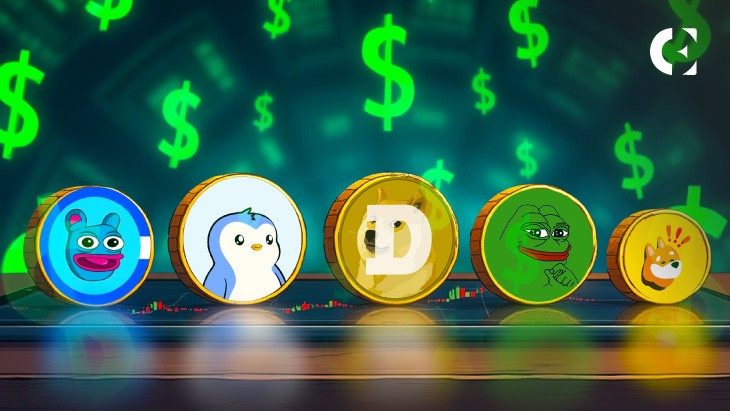
Paul and David laid out that view in their YouTube video “Are Memecoins Dead?” Their argument is that memecoins worked best when crypto had fewer obvious places for speculation to go. DeFi tokens, lending assets, memes, infrastructure coins, and random viral tickers were all pulling from the same attention pool. Most guides say meme coins live or die by community. That is only half right. They also need a market with no better gamble nearby. Without much of a “fundamental filter,” meme tokens could run past what most traditional investors would consider sane. The trade was simple. It was funny. It moved fast. Dog memes sold it. Cat memes helped. Loud online groups did the rest. Then Bitcoin topped, and a lot of loose speculation got rinsed out. Now traders want revenue, activity, and clearer value. Memecoins look weaker in that market.
The launch data is rough. Analyst Wenaltseason, posting on X, called Pump.fun “slowly becoming a memecoin graveyard.” Of 18.6 million tokens, 12.8 million died on launch day. That is about 69%. Within 48 hours, 80.37% were gone. Only 4.55% made it past 90 days. I’ll be honest: I would not call that a market cycle. I would call it churn. There is no clean way to spin it. New tokens are not forming durable communities at scale. They appear, trade for a moment, and vanish. Why does this matter? Because a token that cannot survive two days has almost no chance of building the shared language that made earlier meme runs work. That makes it much harder for new meme projects to catch a real bid, let alone hold one. Some of that money may move back into larger crypto assets such as BTC, which traders often treat as the safer crypto bet in messy markets, or ETH, which still has a working ecosystem behind it.
The culture is wearing down too. Analyst Alexi, also on X, said most memecoins are “likely to go to zero eventually,” no matter who created them, which celebrity is nearby, or how viral the branding gets. His sharper line was this: “The chart dies, the memes fade, the community disappears.” Short term trades can still work for people who understand the game. I would not pretend otherwise. But the bigger cultural pull feels weaker. MASTR, another analyst, said memecoin culture is “dead” because many new tokens are not really memes anymore. They are tokens named after key opinion leaders, or KOLs. These KOL linked coins are often pushed by “connected groups” and sold as “culture,” while critics point to controlled supply, “insider games,” “fake communities,” and retail buyers getting used as “exit liquidity.” Counter to the usual advice, the problem is not always bad branding. Sometimes the branding is the product, and that is the problem. MASTR also questioned wallets holding huge chunks of supply. If someone owns 65% and is supposedly bullish, why not burn it? Fair question.
Politics makes the whole thing messier. Bloomberg reported that Donald Trump disclosed at least $1.2 billion in 2025 earnings from crypto and memecoin related businesses, including TRUMP, NFTs, and WLFI sales. Analyst Simon Dedic pointed to Trump’s 10 figure earnings from those activities and noted that the memecoin and NFT activity had “faded.” Dedic argued that this kind of public profit taking could “weaken trust in crypto” and might encourage “smaller scammers” if powerful people can openly make money from similar setups. I think this is where the story stops being funny and starts looking like a policy file. Regulators are unlikely to ignore that forever. The SEC is still pursuing unregistered securities and market manipulation cases, and more pressure would probably hit smaller, thinly traded tokens first. Some investors may respond by moving toward regulated products. Others will choose larger coins or stablecoins.
What this means
The read from Franklin Templeton and the analysts is pretty simple: crypto is growing up a bit, whether traders like it or not. The easy memecoin trade looks tired. The market wants assets with revenue, users, developers, liquidity depth, or at least a story that lasts longer than a weekend. Yes, this slightly contradicts the idea that crypto always rewards attention first. Bear with me. Attention still matters, but in this tape it is not enough by itself. That probably helps Bitcoin (BTC) and Ethereum (ETH), which have deeper markets, older networks, and more institutional interest. BTC dominance could keep rising if traders keep leaving the memecoin graveyard. In a stronger move toward quality, Bitcoin could even push back toward its all-time high near $73,750.
From here, watch whether big funds keep saying the same thing about market structure and capital flows. Also watch how major altcoins trade against BTC. If the SEC or CFTC announces new actions, smaller tokens could take the harder hit. The next FOMC meeting matters too. Is this overkill for meme coins? No, because liquidity conditions decide how much nonsense the market can afford. A more hawkish rate signal would probably cool speculative appetite across crypto, not only memecoins. On-chain flows will be useful here. If large wallets keep moving out of memes and into BTC, ETH, or stablecoins, the shift is no longer just commentary. It is positioning. The market has changed. Memecoin dominance looks much closer to its end than its beginning.
FAQ: Memecoins and their future
Q: What is a memecoin?
A memecoin is a cryptocurrency based on an internet meme, celebrity, joke, or pop culture reference. In plain English, it usually runs on speculation and community hype rather than real utility.
Q: Why are memecoins unlikely to return to their all-time highs?
Franklin Templeton Digital Assets says traders are moving toward assets with stronger fundamentals. The failure rate of new memecoins also suggests that speculative interest is drying up. Short version: the easy bid is gone.
Q: What is the survival rate of new memecoins?
According to analyst Wenaltseason, about 80.37% of new memecoins on Pump.fun fail within 48 hours. Only 4.55% survive longer than 90 days.
Q: How does political involvement affect memecoins?
Bloomberg reported that Donald Trump earned heavily from crypto and memecoin related businesses. When major political figures profit from these markets, it can damage trust and draw more attention from regulators such as the SEC. That is not a side issue.
Q: What assets are investors rotating into instead of memecoins?
Some investors are moving toward larger crypto assets with deeper markets and clearer use cases, especially Bitcoin (BTC) and Ethereum (ETH).