














































Kamala Harris and Free Speech: Elon Musk Expresses Concerns
- Governments worldwide are increasing censorship online and offline, raising concerns about diminishing freedoms.
- Tensions have emerged between tech companies and governments, leading to potential legal actions against companies forced to regulate content.
- Recent developments highlight the evolving relationship between corporate policies and government demands regarding free speech.
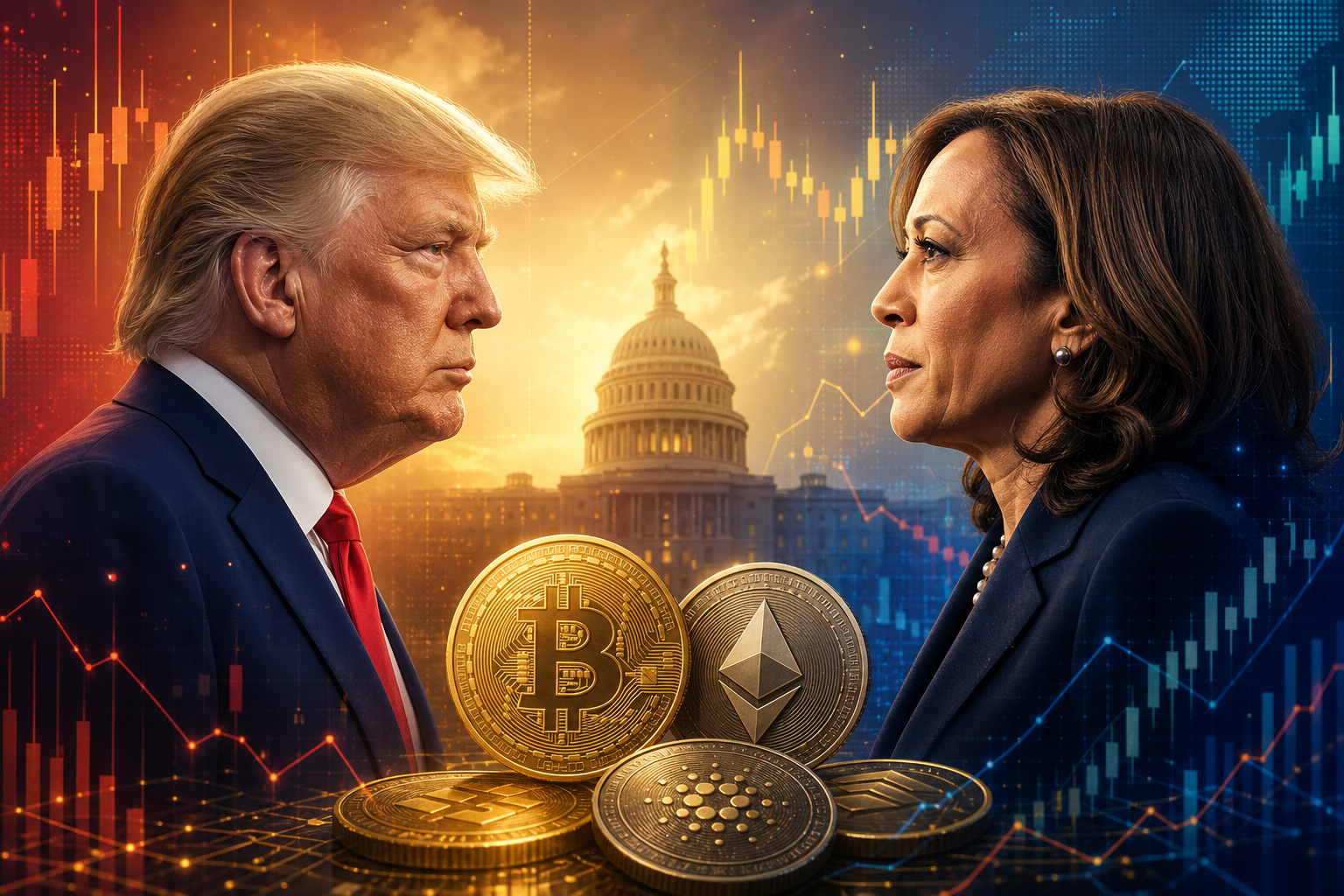
Elon Musk has voiced a somber prediction about the future of free speech if Kamala Harris gains more political influence. Musk has criticized censorship and expressed his fear that free speech could come under threat if Harris, who advocated for Trump’s removal from Twitter, becomes vice president. According to Musk, Harris is inclined to implement stricter measures to regulate acceptable content on social media, which could limit freedom of speech.
NEW: Elon Musk warns that free speech may not exist if Kamala Harris, who was a strong supporter of removing Trump from Twitter, gets into office.
Here are some attacks on free speech that have taken place this past month:
1. Brazil announces anyone using a VPN to access X will… pic.twitter.com/gmbWYGdmUh
— Collin Rugg (@CollinRugg) August 30, 2024
For example, Brazil has cracked down on VPN usage to access social media, imposing daily fines of up to $8,874, while Germany has similar penalties. In Germany, podcast hosts received death threats for misgendering a transgender individual.
Tensions Between Tech Companies and Governments
Tensions have also escalated between tech companies and various governments. Pavel Durov, the owner of Telegram, was reportedly arrested in France for his inability to control his users.
This incident illustrates the challenges faced by tech-based businesses operating in different countries with censorship laws. Additionally, EU Commissioner Thierry Breton wrote a letter to Elon Musk, indicating that X must comply with European censorship policies, highlighting the increasing control exerted by state institutions over online content.
Wider Implications for Freedom of Expression
The United Kingdom has witnessed similar trends, with authorities arresting a 55-year-old woman for spreading what they deemed false information online. The UK authorities are also planning to introduce a new law recognizing misogyny as a form of activism, potentially expanding the list of prohibited speech. These actions have raised concerns about the ability to control content considered toxic while preserving First Amendment rights.
Corporate and Government Interactions
CEOs have responded to government pressure in different ways; some have threatened to leave Europe due to censorship, while others, like Zuckerberg, have exposed government influence on content moderation. This intersection between corporations and governments influences the free speech debate and shapes discussions on freedom of expression.