
















































Tether Burns 2.5 Billion USDT: What It Means for Ethereum and Stablecoin Stability
Tether burned 2.5 billion USDT on Ethereum, reducing the amount of USDT available on that network. This was not some tiny wallet cleanup. It is 2,500,000,000 tokens gone from one chain, which is the kind of number that can actually show up in ETH/USDT order books and liquidity pools. My take: stablecoin burns get over-explained, but this one is too large to file away as background noise.
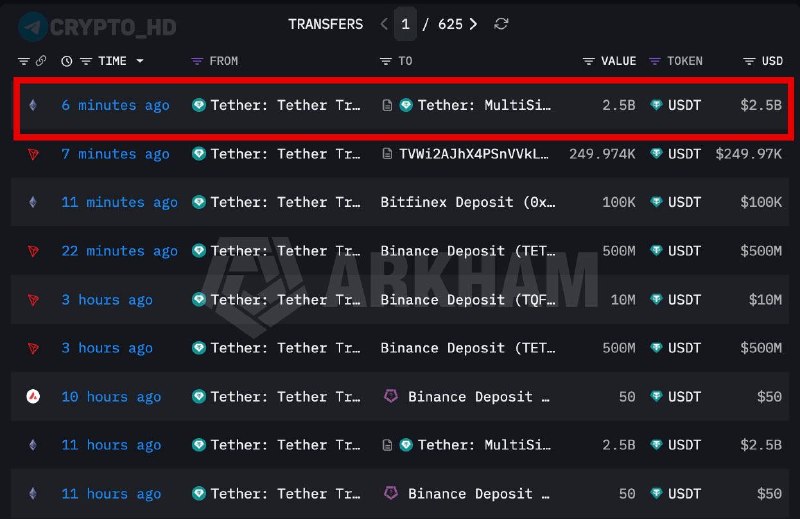
The burn removed 2,500,000,000 USDT from circulation on Ethereum. Reports this afternoon said Tether “burned” 2,500,000,000 USDT on the Ethereum network. In plain English, those tokens no longer count toward that chain’s circulating supply. For USDT, which is supposed to hold a 1:1 peg to the US dollar, a burn often points to one of two things: redemptions being settled, or supply being moved around because demand has changed. Simple enough. But not harmless.
The question is whether demand for USDT on Ethereum has cooled, or whether Tether is shifting liquidity somewhere else. When 2.5 billion USDT leaves Ethereum, the lazy answer is “bearish.” I do not buy that as a complete read. Users may need less USDT on Ethereum right now. Tether may be cleaning up supply after redemptions. Large holders may be moving into BTC, ETH, fiat, or cheaper settlement networks. Yes, that sounds like I am hedging. I am, because the burn by itself is not a full market signal. Still, I would not shrug it off either. Why does this matter? Because if BTC moves above $61.4K in the next few days, traders will probably frame it as stablecoin capital rotating back into risk assets. If the market goes nowhere or sells off, the cleaner read is that some money may be leaving crypto exposure. The size matters. A 2.5 billion USDT burn is large enough to change the liquidity map, at least for a while.
The burn may also be Tether managing supply across chains, not just a demand story. Counter to the usual advice, I would not stare only at Ethereum here. Tether issues USDT on several blockchains, and Ethereum is only one of them. A large Ethereum burn could come before or after supply changes on Tron, Solana, or another chain with lower fees and faster transfers. In that case, this is less about users abandoning USDT and more about where they want to move it. Watch the chain-level supply numbers. If USDT supply rises elsewhere soon, especially on Tron or Solana, the burn starts to look like liquidity moving between networks. If it does not, the weak-demand explanation becomes more convincing. That distinction is the whole trade.
What this means
The 2,500,000,000 USDT burn directly cuts USDT supply on Ethereum. It may point to weaker demand for USDT on Ethereum, a Tether liquidity shift to other chains, or reserve cleanup after large redemptions. Most guides say burns reduce supply and then stop there. That’s only half right. Traders should watch for matching mints on other networks. That would suggest the money did not leave the stablecoin system. It just moved. Is this overkill? For a burn this large, no. The short term effect is more straightforward: there is less USDT on Ethereum, which can affect ETH trading pairs and liquidity pools.
The next signals are stablecoin market cap, USDT supply by chain, and ETH/USDT liquidity. I would watch 24-hour trading volume first, then depth around the biggest ETH/USDT pools. ETH price matters too. A clear move above or below $3,000 could show whether capital is moving into Ethereum, sitting idle, or leaving the market. I’ll be honest: official comments from Tether would help, but the on-chain supply changes may tell the story first.