














































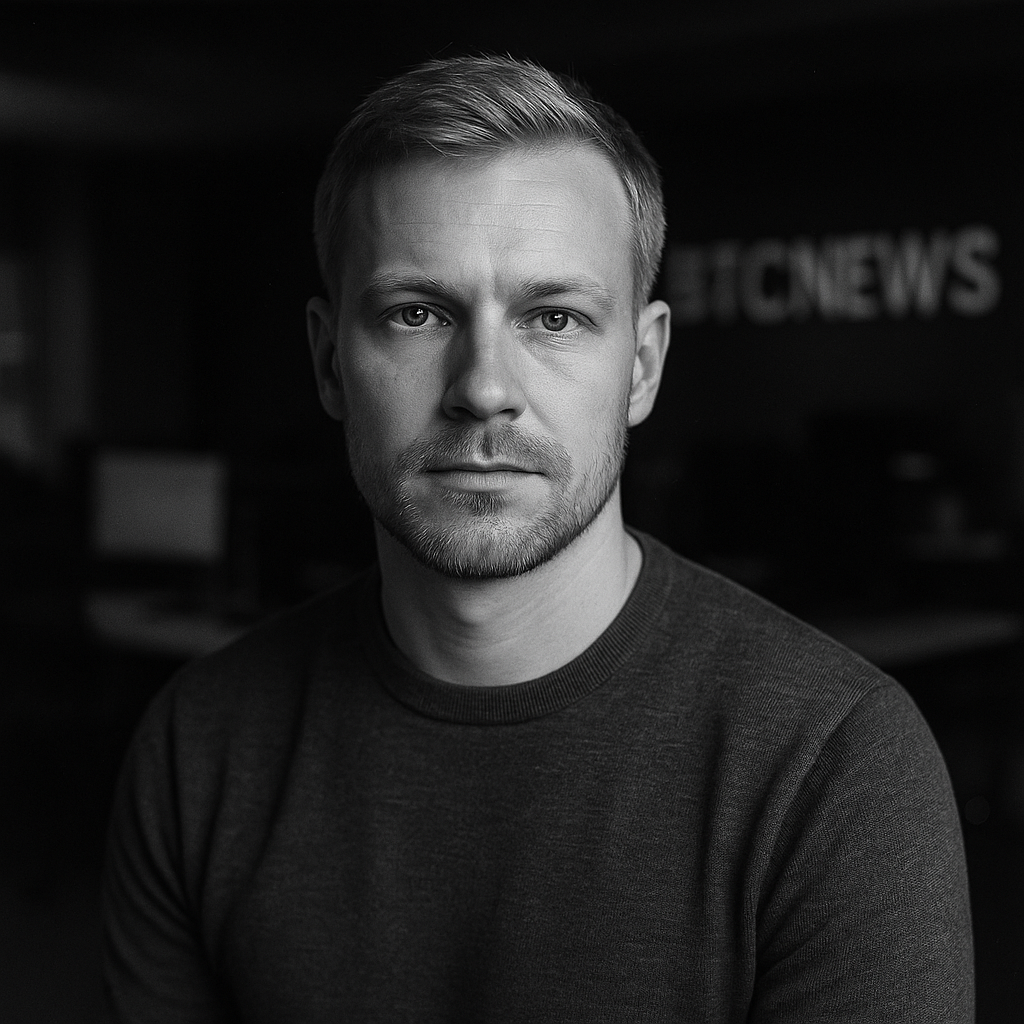

U.N. Expresses Concerns Over the Arrest of Telegram Founder Pavel Durov
- The recent detainment of Pavel Durov, the creator of the popular messaging app Telegram, has sparked widespread discussions about human rights and the freedom of digital communication.
- The United Nations has raised serious concerns over the implications of Durov’s arrest under French law, highlighting the complex nature of the case.
- “This is a highly intricate case that raises a multitude of human rights concerns,” stated Ravina Shamdasani, spokesperson for the U.N. Human Rights Office.
This article delves into the ramifications of Pavel Durov’s arrest and the broader conversation surrounding human rights in the digital era.
The Arrest of Pavel Durov: A Crucial Moment for Digital Rights?
Pavel Durov’s apprehension at Le Bourget airport on August 24 has not only brought attention to his personal situation but has also raised alarms about the delicate balance between national security and digital freedom. Durov, a vocal advocate for privacy and freedom of speech, is facing multiple legal challenges related to the operations of the Telegram app, which he developed as a secure means of communication. French authorities have prohibited him from leaving the country, further complicating his legal predicament and sparking significant debates about the potential overreach of government powers in digital regulations.
The U.N. Perspective: Monitoring Violations of Human Rights
The U.N. Human Rights Office has positioned itself as a crucial observer of Durov’s case, emphasizing the urgent need to uphold fundamental rights principles. Shamdasani highlighted the intricate facets of the situation, stressing the importance of examining the legality, necessity, and proportionality of Durov’s arrest. These concerns underscore the pressing need for dialogue between tech platforms and regulatory bodies, urging transparent processes when investigating allegations against digital communication services that may impact free expression and individual privacy.
Comparative Cases: Global Viewpoints on Regulation
This arrest draws parallels to recent actions taken against social media platforms around the world, shedding light on a growing trend where governments are increasing surveillance and control over digital communication tools. For example, the recent blocking of Elon Musk’s platform X in Brazil echoes similar sentiments about governmental intervention in digital spaces. As authorities strive to regulate harmful content, such as hate speech and disinformation, the core essence of freedom of speech hangs in the balance. Striking a balance between enforcing regulations and ensuring they align with international human rights principles is crucial in preserving democratic values in digital communication.
Implications for the Future of Social Media Regulation
As the digital landscape continues to evolve, the discussion around social media regulation is becoming increasingly intense. Incidents like Durov’s arrest and the blocking of X in Brazil prompt stakeholders in both the governmental and tech sectors to navigate a complex web of rights, responsibilities, and ethical considerations. Policymakers must tread carefully, ensuring that their actions do not inadvertently infringe upon individual rights or stifle innovation. The call for proportional governance resonates strongly within the context of Durov’s case, emphasizing the need to protect freedom of speech while effectively addressing harmful content.
Conclusion
Pavel Durov’s arrest serves as a pivotal moment for the discourse on human rights in the digital realm. As the U.N. continues to monitor the developments of this case, the implications extend far beyond the borders of France, influencing the future of social media policies and underscoring the importance of adhering to international human rights standards. Moving forward, it will require vigilance from both users and regulators to ensure that the fundamental values of freedom of expression and privacy are upheld in the face of increasing government scrutiny.