















































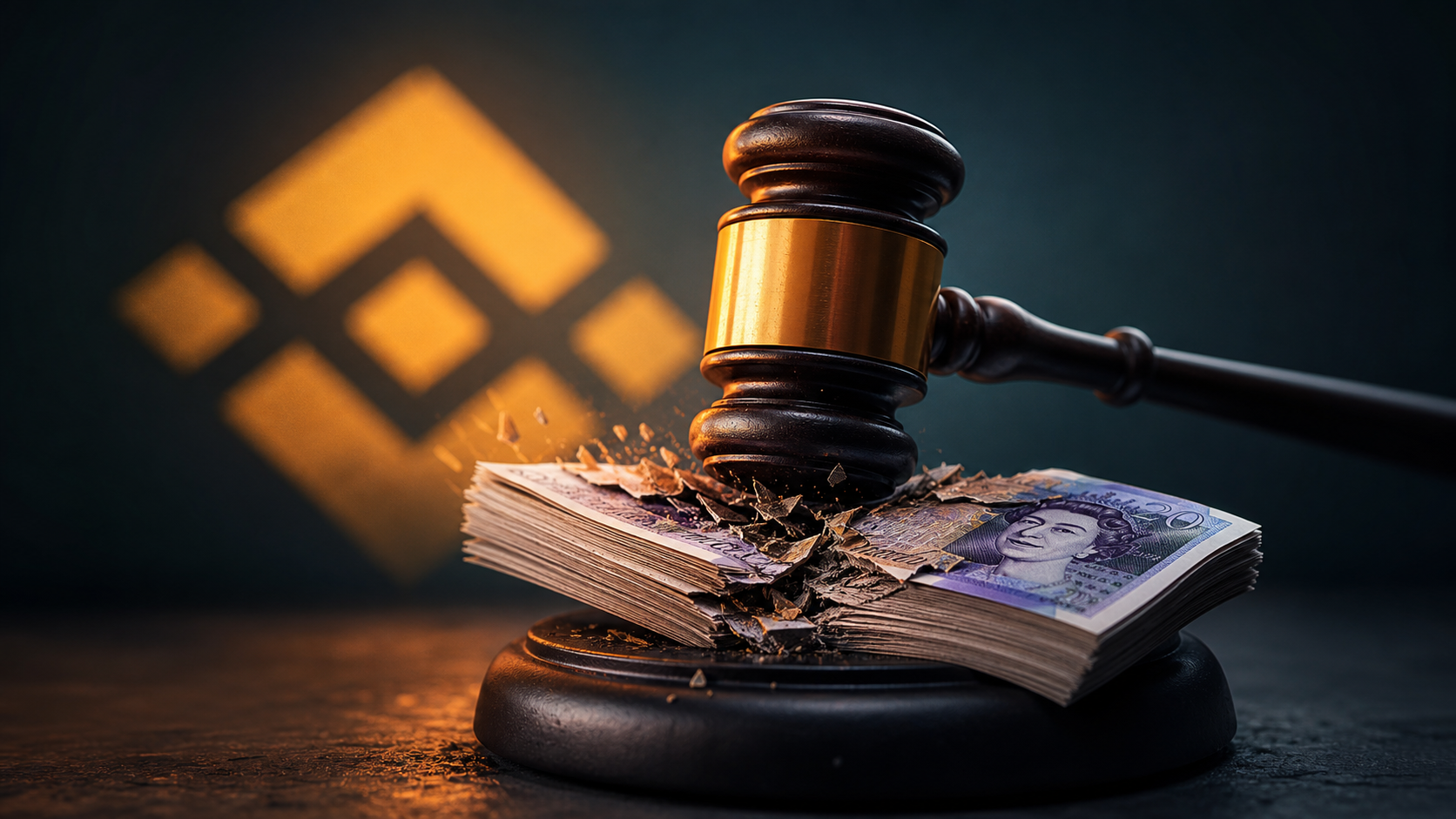
Binance Sued by UK Investors: Pressure Builds on Derivatives
Binance is facing a lawsuit from nearly 1,700 British crypto investors who want at least £150 million, about $200 million. They claim Binance broke the Financial Services and Markets Act by offering crypto derivatives to UK retail clients. I’ll be honest: this is not some abstract compliance story. In plain English, a large group of users says Binance sold them products they should not have been able to use.

The complaint was filed in the High Court of London. It centers on access to crypto derivatives, including futures, for UK retail customers. The investors say Binance allowed that access before and after the Financial Conduct Authority banned the sale of those products to retail investors in 2021. They say they each lost tens of thousands of pounds. The defendants include Binance Holdings, UAE company Nest Exchange, Changpeng Zhao, known as CZ, and unnamed people involved in operating the Binance trading platform. That matters now. If the claim survives the early stages, Binance’s UK record gets harder to defend.
The lawsuit sits inside a bigger fight over regulation pressure in crypto. Most guides frame that as a broad SEC-versus-crypto fight. That’s only half right. In the US, the SEC has targeted exchanges, staking products, and token issuers. In the UK, this case is narrower and, in some ways, cleaner: did retail customers get access to risky products after the FCA drew a clear line in 2021? My take: traders should care less about the courtroom drama and more about product access. Access can disappear fast. Platforms may cut derivatives, lower leverage, block users in specific countries, or tighten checks before regulators make them do it. Why does this matter? Because market data already shows how twitchy this space can be. ETH fell 3.5% last week after fresh talk about its regulatory status, and that kind of move does not need much fuel.
The case also feeds into the macro flow question: where does capital go when users lose trust in big exchanges? Traditional finance wants clearer crypto rules before it commits serious money. Retail investors want to know their platform is not exposing them to products regulators already banned. A $200 million lawsuit makes that tension harder to shrug off. Bitcoin is often pitched as protection against stress in traditional markets, but regulatory shocks still hit it. During the FTX collapse in November 2022, BTC dropped more than 20% in a week. Yes, this contradicts the usual “Bitcoin is outside the system” pitch — bear with me. This Binance case is not about insolvency, but confidence can drain away for other reasons. Some users may move funds to DeFi. Others may step back from crypto altogether. We have seen a smaller version of this before: Coinbase shares fell 7% in one day after the SEC sent the company a Wells Notice in March 2023.
What this means
This $200 million lawsuit says something blunt: old crypto conduct is still fair game. Regulators and courts are not just warning exchanges about retail protection and complex products anymore. They are testing those warnings in court. If Binance loses ground in London, other centralized exchanges will probably review risk controls and customer checks first. Derivatives access comes next. I would expect some platforms to get more cautious before anyone orders them to. Counter to the usual advice, this is not only about reading Binance’s legal filings. Traders should watch liquidity in derivatives markets, especially on platforms that serve users in several countries. BNB matters too. The token often reacts when Binance faces legal or regulatory pressure, for obvious reasons.
Investors should watch Binance’s formal response in the High Court of London, plus any early rulings or evidence deadlines. Watch the calendar. Real court dates matter more than loose market chatter. Outside the lawsuit, the FCA is the agency to watch for new statements on crypto derivatives. More restrictions could hit centralized exchange volumes and assets that depend heavily on those venues. Is this overkill for one lawsuit? No, because the named defendants include Binance Holdings, UAE company Nest Exchange, Changpeng Zhao, known as CZ, and unnamed people involved in operating the Binance trading platform. BNB is the obvious token to track, but the broader mood around centralized exchanges may matter more. If confidence keeps slipping, some money could move into DeFi. More cautious investors may head back toward gold or other traditional safe haven assets.
FAQ
- What is the core allegation against Binance in this lawsuit?
- The lawsuit says Binance illegally offered crypto derivatives to UK retail investors, violating the Financial Services and Markets Act and the FCA’s 2021 ban.
- How much compensation are the UK investors seeking?
- The plaintiffs want at least £150 million, or about $200 million, in damages.
- Who are the defendants named in the lawsuit?
- The lawsuit names Binance Holdings, UAE company Nest Exchange, Changpeng Zhao (CZ), and unnamed people involved in operating the Binance trading platform.
- What is the significance of the FCA’s 2021 ban?
- The FCA’s 2021 ban stopped firms from selling crypto derivatives to UK retail consumers. The lawsuit says Binance crossed that line.
- How might this lawsuit impact other cryptocurrency exchanges?
- Other exchanges may face more scrutiny, especially if they offer derivatives in several jurisdictions or have a messy history with retail access.
- Could this lawsuit affect the price of BNB?
- Yes. BNB often moves when Binance faces legal or regulatory trouble because the token is closely tied to the exchange’s reputation.
- What is the broader context of this legal action?
- The lawsuit is part of a wider regulatory push against crypto exchanges, especially over investor protection and high risk trading products.
- Where was the lawsuit filed?
- The lawsuit was filed in the High Court of London.
- What are crypto derivatives?
- Crypto derivatives are contracts based on the price of an underlying cryptocurrency. Futures and options are common examples.
- What should investors monitor regarding this case?
- Investors should watch Binance’s response, court rulings, hearing dates, and any new FCA statements on crypto derivatives.