
















































HSBC dollar surge: a 2026 “pain trade” threat to crypto liquidity
HSBC analysts are warning that the US dollar could jump hard in the second half of 2026. My take: investors look a little too calm about that risk. If the move comes quickly, liquidations can follow, and risk assets usually do not get a polite warning first. Bitcoin and Ethereum sit directly in that blast zone because when money runs back into dollars, crypto liquidity can vanish fast. The setup is simple.
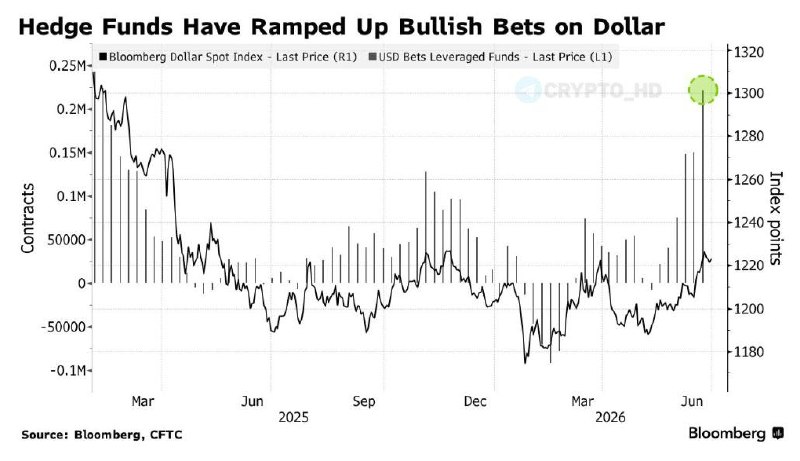
HSBC calls this a “pain trade,” meaning a market move that catches too many investors leaning the wrong way. Positions get closed. Volatility rises. This can get messy. The bank points to weak growth in Europe, a softer euro, lower oil prices, and the chance that the European Central Bank turns more dovish as inflation cools. Japan matters too: the yen is near a 40-year low because Japan has been slow to raise rates aggressively. Hedge funds have also pushed bullish dollar bets to a 16-month high. Most guides would stop there and say crowded dollar longs are bearish for the dollar. That is only half right. Crowded trades can break, yes, but they can also squeeze harder before they break.
HSBC’s base case is for a stronger dollar through the first half of 2027. The sharper risk is a sudden jump if the Federal Reserve sounds tougher than expected, or if geopolitical stress picks up again. Would crypto be outside that trade? No. A strong dollar tends to hurt risk assets because it pulls liquidity away from emerging markets and speculative trades, and crypto is right in that zone. We have seen this before. In Q3 2022, the DXY rose 3.5%, while Bitcoin fell more than 15%, sliding from about $21,000 to below $18,000 as investors moved into dollars. I’ll be honest: that was not just a chart doing chart things. It was capital leaving the room.
The dollar pain trade also makes Bitcoin’s safe haven argument harder to believe. Some investors still say BTC acts like digital gold during geopolitical shocks. Sometimes it catches an early bid. Fine. But when the dollar is ripping higher, that argument can fall apart fast. Even gold can struggle against the greenback in those moments. Early 2022 is a useful example: after Russia invaded Ukraine, Bitcoin saw some initial safe haven demand, but rising rates and a stronger dollar eventually pulled money out of risk assets. March 2020 was even clearer. During the first COVID-19 panic, the dollar spiked and BTC dropped more than 50% in days, from around $8,000 to below $4,000, before recovering. Counter to the usual “Bitcoin is insurance” line, liquidity usually beats the story people want to tell.
What this means
A stronger dollar can drain liquidity from risk assets. That would probably pressure major cryptocurrencies such as Bitcoin (BTC) and Ethereum (ETH). Not complicated. Still important.
HSBC’s analysis points to a real macro problem for crypto if the “explosive dollar” scenario arrives. Bitcoin and Ethereum could test important support levels if the dollar strengthens quickly. For BTC, traders are watching the $60,000 area. For ETH, the big level is around $3,000. I would not treat those lines as magic, but they are obvious enough that plenty of traders will react around them. Why does that matter? Because obvious levels attract stops, leverage, and fast decisions. Yes, this slightly contradicts the idea that macro drives everything; bear with me. In practice, macro pressure and chart levels often collide at the worst possible moment.
Crypto investors should watch the Federal Reserve’s language, inflation data, jobs reports, the DXY, and geopolitical news from Europe and Asia. Those signals shape the Fed’s rate stance and the dollar trade. The next FOMC meeting and press conference matter because one tougher sentence from the Fed can change positioning. The DXY deserves attention too. A sustained move above 106 to 107 would make HSBC’s warning harder to dismiss. Is this overkill? For leveraged crypto traders, no. If the dollar starts moving hard, crypto traders will feel it.
FAQ
What is the “explosive dollar surge” predicted by HSBC?
HSBC analysts are talking about a fast, large move higher in the US dollar, especially in the second half of 2026. They link the risk to weak global growth, rate expectations, and geopolitical stress.
How could a strong dollar impact crypto markets?
A strong dollar usually hurts crypto by pulling money into dollar assets and away from riskier trades. That can reduce liquidity and push prices lower.
What is a “pain trade” in the context of this prediction?
A “pain trade” is a market move that catches investors on the wrong side. They have to exit positions quickly, which can make the move sharper and more volatile.
What factors could drive dollar strength?
HSBC points to weak European growth, a softer euro, falling oil prices, Japan’s reluctance to raise rates aggressively, and heavier hedge fund bets on a stronger dollar.
What historical examples show the impact of dollar strength on Bitcoin?
In Q3 2022, the DXY rose 3.5% while Bitcoin fell more than 15%. In March 2020, during the first COVID-19 panic, BTC dropped more than 50% as the dollar spiked.
Is Bitcoin a safe haven during periods of dollar strength?
Some investors call Bitcoin digital gold, but the record is mixed. My read: when the dollar surges during a liquidity panic, Bitcoin has often traded more like a risk asset than a safe haven.
What indicators should crypto investors monitor?
Watch Fed comments, inflation data, employment reports, the DXY, and geopolitical news from Europe and Asia. Those signals are most likely to affect the dollar trade.
What support levels for Bitcoin and Ethereum were mentioned?
The levels mentioned are $60,000 for Bitcoin and $3,000 for Ethereum. If the dollar strengthens quickly, those areas could get tested.
When is this “explosive dollar surge” scenario expected?
HSBC expects gradual dollar strength through the first half of 2027. The faster “explosive” scenario is framed as a risk for the second half of 2026.
Why does HSBC think investors are underpricing this risk?
HSBC thinks investors are not taking the chance of a sharp dollar move seriously enough. If that is right, a sudden shift could force quick repositioning and larger market swings.