
















































Bybit delists tokens: what it means for altcoin volatility
“Bybit’s decision to delist several tokens points to stricter listing standards, and smaller altcoins could feel the liquidity hit first.” Thinly traded coins do not need much selling to move hard. I would not call this a huge market reset. My take: it is more of a warning light. Exchanges are paying closer attention to trading volume and project health. Risk is the other piece, and weaker altcoins usually get exposed first when those checks tighten. Some of that capital usually slides back toward Bitcoin (BTC) and Ethereum (ETH). It happens fast.
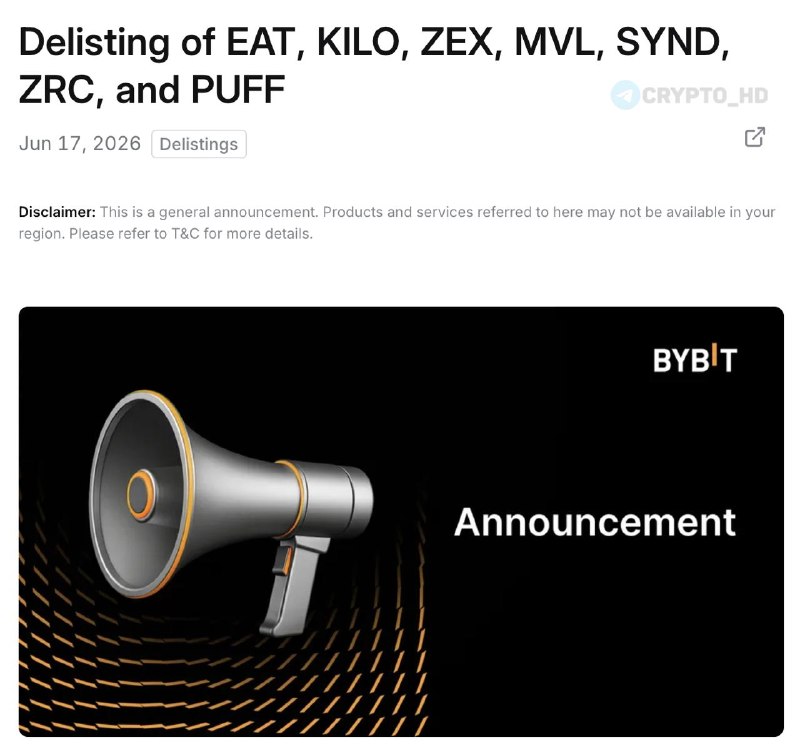
“Bybit did not need to name a famous token for this to raise volatility risk.” Delistings make holders nervous. The reaction is usually ugly: people sell before liquidity disappears, spreads widen, prices drop faster than expected, and market makers step back. Why does this matter? Because a token can look stable right up until the order book thins out. We have seen this before. In early 2023, smaller exchanges were already under pressure, and traders became more careful about where they held risk. During the FTX collapse in November 2022, BTC briefly fell to about $15.5K before recovering, while investors moved toward assets they trusted more, according to historical market data.
“This also ties into the macro flow of capital in crypto.” When an exchange tightens listing rules or removes assets, it is usually trying to avoid weak volume or weak projects. Possible compliance trouble sits in a separate bucket, but traders still connect the dots quickly. Most guides say delistings only matter for the token being removed. That is only half right. In risk-off periods, money often leaves speculative altcoins and moves into BTC or other liquid names. One recent example came in Q1 2024, when spot Bitcoin ETF excitement helped push BTC dominance above 54% in March, while many altcoins still failed to reclaim earlier highs, according to CoinMarketCap data. Bybit’s move could feed into that same rotation.
“Bybit’s move may also point to regulation pressure, even if the announcement does not say so directly.” Exchanges often clean up listings before regulators force them to. I’ll be honest: that is the boring explanation, but it is usually the one worth taking seriously. The SEC in the US and other financial regulators have spent the past few years looking harder at staking and stablecoins. Token listings get pulled into the same conversation. In 2023, SEC actions against some staking programs weighed on affected tokens, according to financial news reports. So even without a direct regulatory explanation, Bybit may be lowering risk before it becomes harder to manage.
What this means
“This Bybit delisting is another sign that exchanges are getting pickier.” They want tokens with real liquidity and clearer use cases. Fewer compliance problems help too, but that is not always visible from the outside. Counter to the usual advice, this is not just a “buy quality” story. It is also a liquidity story, and liquidity can disappear before fundamentals get debated. That puts more pressure on smaller altcoins, especially the ones that already trade thinly. Some will recover. Some probably will not. Traders should take the shift toward quality seriously, because BTC and ETH may keep looking safer than the wider altcoin market over the next few months, according to market analysts.
“Investors should watch mid and small cap altcoins with weak volume or vague use cases.” Another delisting notice from a major exchange could hit those assets quickly. Is this overkill? For thinly traded names, no. BTC and ETH dominance matters too. If their share of the market keeps rising, traders are probably still cutting risk. Yes, this sounds like it contradicts the idea that altcoins can rebound quickly. Bear with me: both can be true, but the first move after a delisting scare is usually defensive. Regulatory updates also matter. Guidance from major jurisdictions in Q3 2024 could influence the next round of exchange policy changes, according to industry experts.