
















































Bitcoin futures open interest jumps: what it means for volatility
Bitcoin futures open interest rose fast. Not a small nudge, either. According to CryptoQuant, bitcoin futures open interest climbed 10.6% in 24 hours, from $10 billion to $11 billion. That is $1 billion in new exposure in a single day. My take: when that much new futures exposure appears in 24 hours, the market stops feeling quiet even if spot price has not exploded yet. More contracts are open. More capital is tied up. If price starts running one way, there is more fuel sitting there for a rough move.
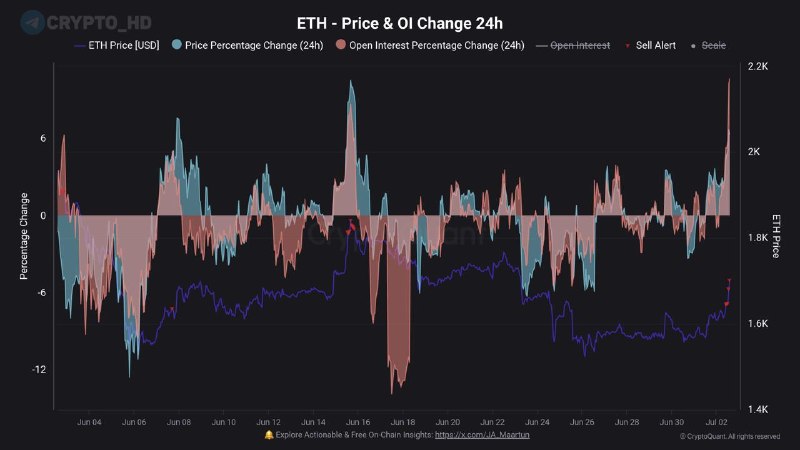
Open interest, or OI, is the total number of active futures contracts that have not been closed or delivered. When OI rises, more money is sitting in futures positions. Since futures often use leverage, price moves can get sharper than they would in spot markets alone. Most quick explainers say rising OI is automatically bullish. That is only half right. It can be bullish, bearish, or just a warning that both sides are crowded. I would not treat this as background noise. A jump this large says traders are leaning in, either because they expect a move or because they are trying to hedge one. Sometimes they are right. Sometimes they all get forced out at once.
Macro conditions still matter here, especially interest rates and inflation. Bitcoin has traded like a risk asset for years, even if that still annoys some people. When the Federal Reserve sounds hawkish, traders often cut risk. When it sounds more relaxed, money tends to move back into crypto and other speculative assets. Why does this matter? Because leveraged Bitcoin positioning can look strong right up until macro pressure hits it. The rough version showed up in 2022. Bitcoin traded above $48,000 in March, then fell below $20,000 by June during the Fed’s rate hike cycle. That relationship was hard to miss. I’ll be honest: I still see people underweight this link because it clashes with the “Bitcoin is separate from everything” story. This OI jump may mean traders are positioning for a friendlier macro setup. Or they may simply be betting that Bitcoin is about to move hard. Either way, the market looks more loaded than it did a day earlier.
Higher open interest can also point to more institutional activity, though it does not prove that on its own. Futures are useful for funds and desks. They also work for companies that want Bitcoin exposure or hedges without holding the asset directly. After spot Bitcoin ETFs were approved earlier this year, access improved and trading picked up across related products. The CryptoQuant figure does not say who opened these positions, so calling this purely institutional would be lazy. Still, a $1 billion OI increase is a lot of money. Retail traders can pile in too, but moves this large often suggest bigger players are active, or that the market is becoming more capital heavy. Counter to the usual advice, I would not start with the headline OI number and stop there. I would check where the contracts are building, how funding looks, and whether CME Bitcoin futures data confirms the same pressure. MicroStrategy’s BTC buying in 2020 showed how one corporate buyer could change the tone around Bitcoin. Futures markets can show similar shifts, just less visibly.
What this means
A $1 billion rise in bitcoin futures open interest points to a market that may be close to a larger move. More open contracts mean more money is committed, and more leverage usually means less patience. It gets twitchy. If Bitcoin starts moving sharply, liquidations can turn a normal move into something faster and nastier. That works both ways. A breakout can squeeze shorts. A drop can flush longs. Yes, this sounds like saying “up or down,” which is annoying. But that is the point: open interest does not forecast direction by itself. It tells you the move can hit harder once price chooses a side.
Traders should watch price levels and macro data instead of reading open interest by itself. For Bitcoin, $65,000 is the obvious resistance level. A clean break above it could keep bullish momentum alive. A move below $60,000 would look much weaker and could force leveraged longs to unwind. Is this overkill? For a market carrying $11 billion in bitcoin futures open interest, no. Fed comments, inflation reports, and other risk asset signals matter too, because Bitcoin still reacts to them. CME Bitcoin futures data is also worth checking, since it can give a better read on larger professional positioning. Open interest tells you the market is loaded. Price tells you which side is about to feel it.