















































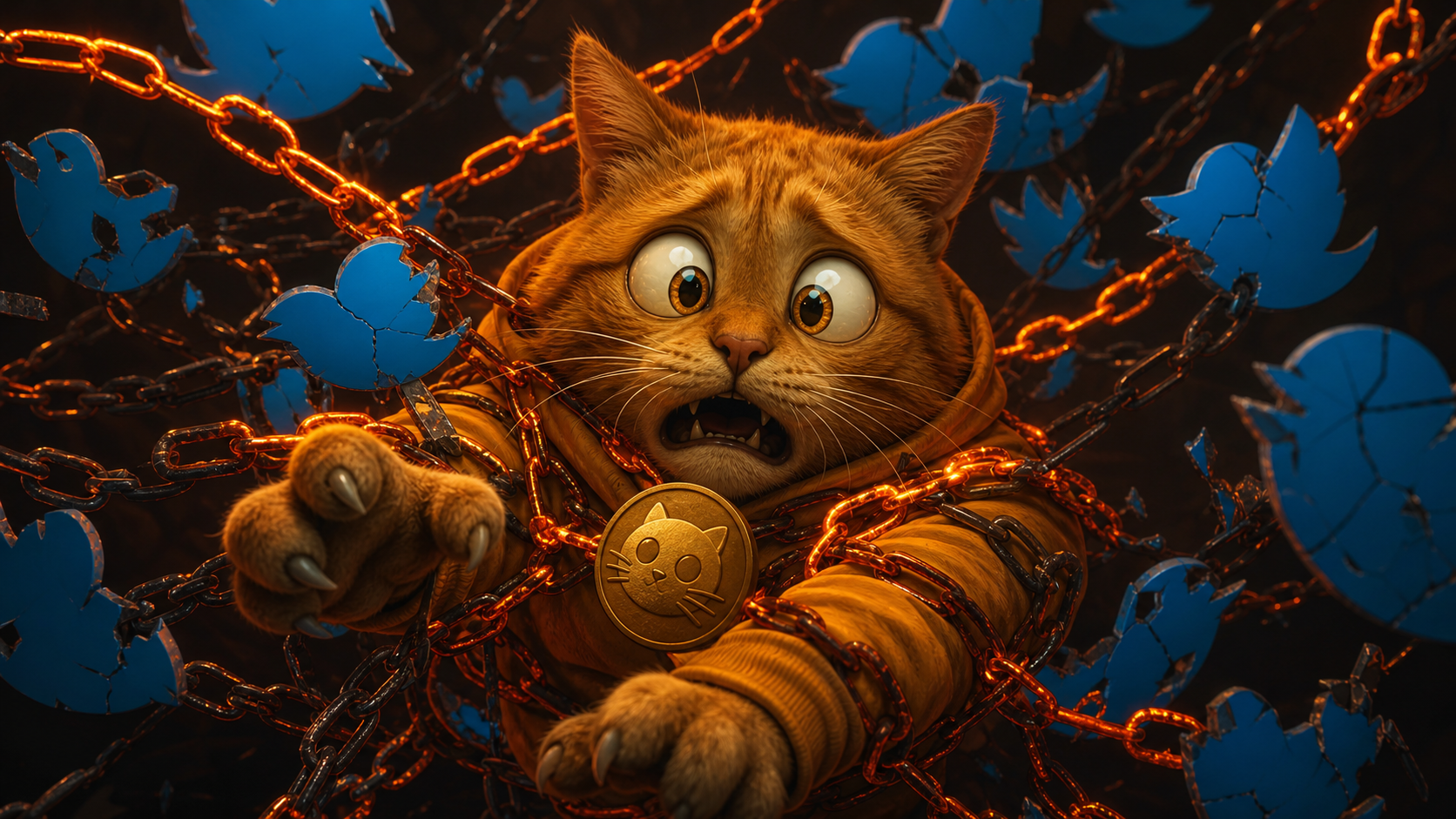
CASHCAT Twitter account hacked: meme coin security risks exposed
The Twitter account for meme coin CASHCAT was hacked. Bad on its own. In crypto, though, it can turn nasty in one click. A fake link can drain a wallet in seconds, and after the earlier chatter about “x’s on CASHCAT,” the timing was especially rough. Buyers watching for 10x-style upside were likely watching the account for updates, hype, or any hint of the next move.
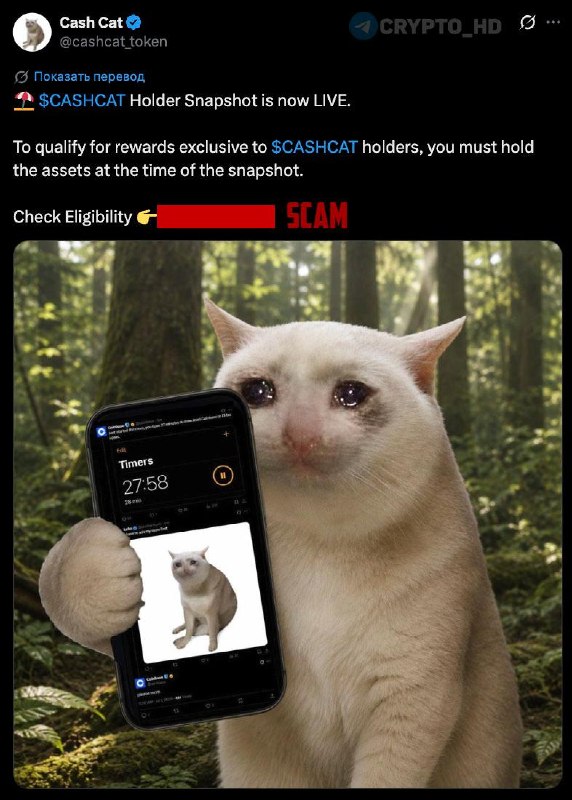
The warning was blunt: “DO NOT click on any links!” Good. I’ll be honest: crypto warnings should sound that blunt more often. This was not a harmless account glitch. For anyone holding CASHCAT, or even thinking about buying it, the official feed suddenly became a security risk. The project had already picked up buzz around “x’s on CASHCAT,” crypto slang for big multiples, often 10x or more. That kind of run pulls in rushed buyers. New ones, too. Perfect phishing targets, basically.
This also touches a real regulation pressure point. CASHCAT is a meme coin, yes, but the issue is bigger than one small token. Most guides frame hacks as a user education problem. That’s only half right. If a project’s main public channel can be taken over, investors are left guessing what is real. Why does this matter? Because regulators notice repeated confusion around official communications. The SEC and other agencies have already been looking harder at digital asset platforms, security controls, and investor disclosures. A few smaller hacks may not change policy on their own, but they keep pushing the same question: who is responsible when crypto projects treat social media like their control room?
Security and compliance pressure has hit larger names before. Binance faced heavy regulatory pressure in 2021 and 2022, and BNB fell about 15% over a two week stretch in July 2021 as compliance concerns piled up. CASHCAT is nowhere near that scale. Still, the pattern is familiar: weak communication controls, rushed retail money, official channels people trust too easily, and not much patience once fear starts moving. My take: the boring control failure is usually the real story. I hate how predictable this part is.
The hack also matters for the macro flow around risk appetite. Crypto traders were already trained by 2022 to react hard to bad macro data. Bitcoin dropped 8% in one day after the hotter than expected CPI report on September 13, 2022. Security incidents work differently, but they hit a similar nerve. Is that an exact macro parallel? No. But it lands in the same place emotionally. Investors see a project account get compromised, then start checking wallets, open positions, browser tabs, and every link they clicked while half awake.
That doubt can push money away from the riskiest names first. Meme coins usually get hit early because they run on attention and belief. Counter to the usual advice, “just ignore the noise” is not always smart here. Some traders may move into Ethereum or larger altcoins. Others may park in stablecoins until things calm down. The “x’s on CASHCAT” story may have been exciting, but it also brought in momentum chasers who probably acted before doing much research. When that crowd gets targeted after a hack, the damage is not only financial. It makes the whole market feel less solid.
What this means
The CASHCAT Twitter hack shows that social media is still one of crypto’s weakest points. Not the blockchain. Not the token contract. Just the account people follow because they assume it is official. That’s almost embarrassingly simple. It still works.
For traders, every urgent link from an “official” account should be treated like a trap until proven otherwise. Especially with meme coins. If a post tells you to connect a wallet or claim an airdrop, slow down. If it says to migrate tokens or act before time runs out, slow down again. Check other channels. Look for confirmation from known team members. Better yet, wait until the project posts a clear security update in more than one place. Yes, this sounds cautious to the point of being annoying. Bear with me: annoying is cheaper than drained.
The immediate risk is with CASHCAT holders who clicked malicious links. The wider risk is confidence. I would watch two things before the price chart: how quickly the team regains control, and whether other meme coin projects tighten their own account security. If this triggers selling in CASHCAT or spills into other volatile meme coins, that would not surprise me.
The next big market test is the FOMC meeting on June 12. If policymakers sound hawkish, investors may already be backing away from risk. In that mood, even a smaller hack can feel bigger than it is. Overkill? Not in a nervous market. Crypto can absorb plenty of bad news when traders are euphoric. When they are nervous, one compromised Twitter account can be enough to make people close the tab and move to cash.