















































Russian Supreme Court crypto theft ruling: a regulation test
Russia’s Supreme Court has classified cryptocurrency, digital rights, and the digital ruble as property that can be stolen. Anyone who has watched a wallet drain already knows this is not theoretical. My take: the legal label matters more than the headline sounds. The decision gives crypto investors and traders a clearer route after theft. It also gives Russian authorities firmer ground in cases involving digital assets.
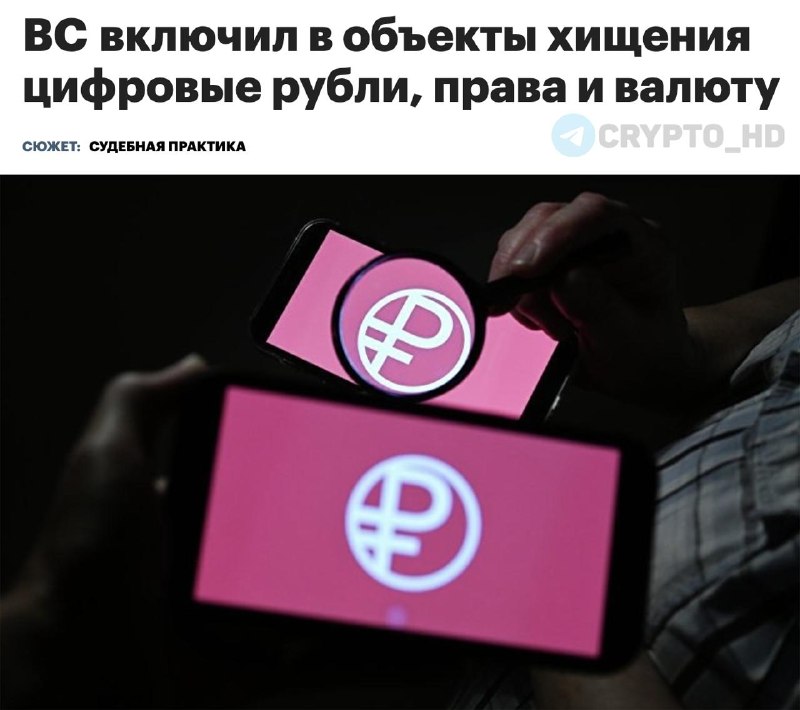
The Supreme Court of the Russian Federation says digital currency, digital rights, the digital ruble, non-cash funds, and uncertificated securities can be covered in theft, robbery, and brigandage cases. Russia had already treated crypto as property in some settings, so this is not a clean “before and after” moment. Most guides will frame it that way. That is only half right. This clarification is narrower, more procedural, and probably more useful because it puts digital assets into a criminal law category that prosecutors already know how to work with.
The ruling adds to the pressure on digital asset regulation, and Russia is not alone here. For years, crypto theft sat in a strange legal gap: a victim could lose BTC or ETH and still run into basic questions about what had actually been stolen. Now the court has answered that question, at least in Russia. I would not read this as automatically bullish or bearish. It is duller than that. More useful, too. Once courts define an asset clearly, police and prosecutors have less room to wave it away; exchanges and custodians also get less room to treat recovery as someone else’s problem. Why does this matter? Because the digital ruble piece is not just another token detail. It is a central bank digital currency, not a private token. Treating BTC, ETH, and the digital ruble as stealable assets means the court sees real economic value in all of them. It also means exchanges and custodians may get more questions about security, records, freezes, and recoveries. Later, that can mean slower withdrawals, more compliance checks, higher operating costs, or all of those at once.
The ruling also says something about adoption, especially for the digital ruble. If a country’s highest court says a CBDC can be stolen, it is treating that CBDC as money with legal weight, not as a trial balloon or policy brochure. That matters. It works. It could make the digital ruble feel more normal as Russia continues its rollout, and other countries building CBDCs will likely pay attention. For crypto investors, the practical point is simple: the law is catching up with assets people already use. Yes, this sounds like a compliance win after I just warned about friction. Both can be true. Clearer rules can feel restrictive at first, but they can also make markets easier for institutions to enter. The US spot Bitcoin ETF approvals on January 10, 2024 are a useful comparison: slow process, messy fights, then large institutional inflows. BTC rose about 8% in the week after approval.
What this means
The Russian Supreme Court is pulling digital assets more directly into existing criminal law. This is not only about calling crypto property. The court is saying it can be the object of theft, robbery, and brigandage. That gives victims a clearer legal route and gives enforcement agencies a cleaner framework. For traders, the effect is not instant market magic. It is more about risk. A less ambiguous legal status can reduce some uncertainty around stolen assets and custody practices. Exchange liability sits in the middle. Watch security requirements for Russian exchanges and custodians. They now handle assets with explicit criminal law protection, and that usually brings paperwork.
Investors should watch whether other jurisdictions take the same path. Russia may follow the ruling with legislation or agency guidance, especially around the digital ruble and how it connects to bank accounts, payment rails, and asset recovery. BTC and ETH theft cases in Russia will be the first real test. Court filings will matter more than speeches. I’ll be honest: regulator speeches are the easy part to overread. The harder signal will be statements from the Russian Ministry of Finance or the Central Bank of Russia about enforcement procedures, frozen assets, and recovery rules. Is this mostly legal cleanup? Maybe. But those details will show whether it becomes the start of a tougher compliance regime for exchanges operating in the region.