














































Anvil CEO’s Cardano loss: a hard lesson in ecosystem bets
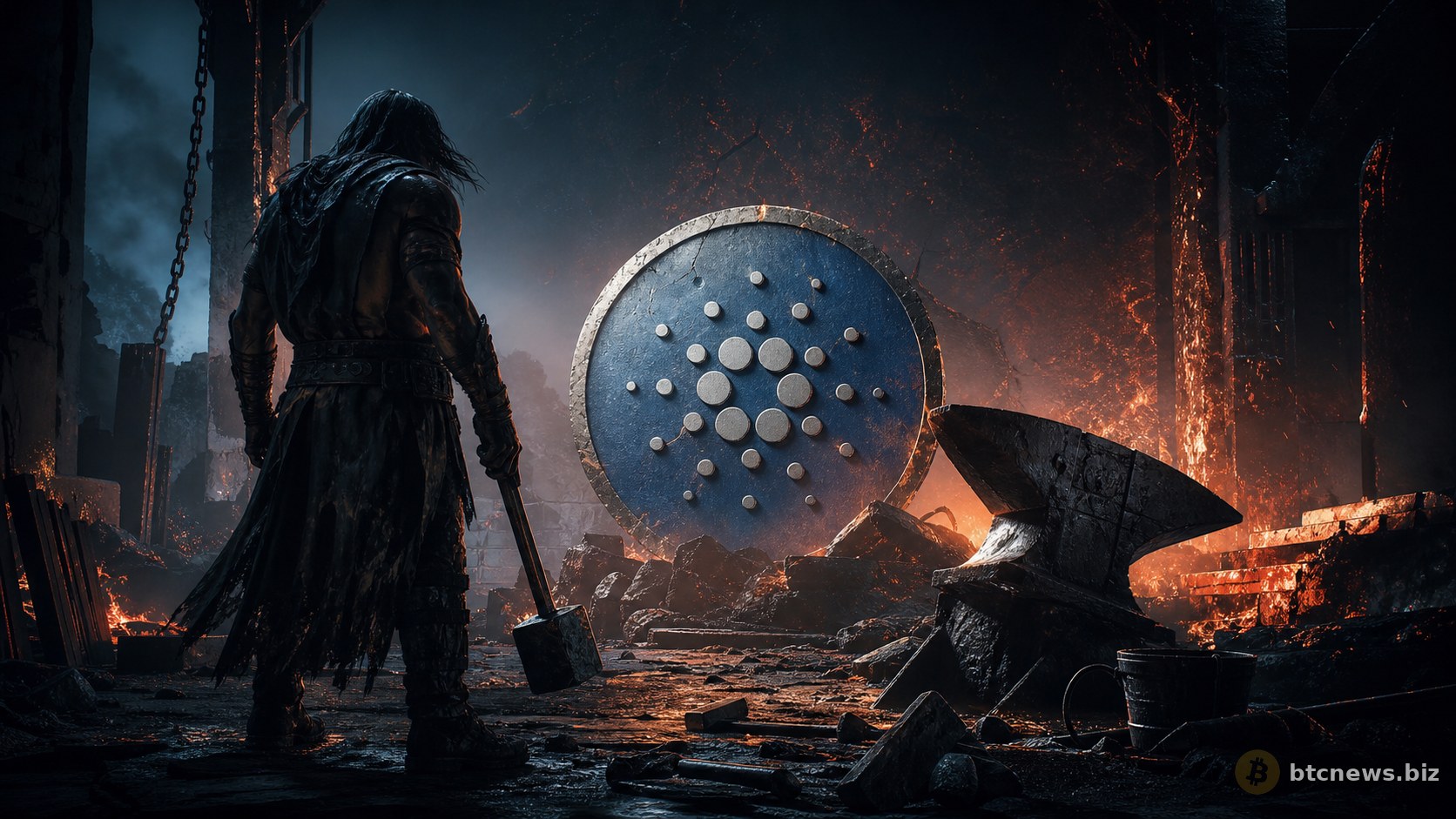
Zack Soesbee, CEO of Anvil, said publicly that he lost “virtually everything” after spending five years betting on Cardano. It is a rough story. Not abstract portfolio theory. Not another chart thread. A founder says he gave five years to one ecosystem, watched the money run out, and now sounds unsure whether building there still makes sense. I’ll be honest: this is the kind of post people in crypto usually pretend is just “market pain.” It is not.

Soesbee said his commitment to Cardano and $ADA pushed him and his Anvil co-founders to go three years without salaries. Three years. No salaries. They cut personal spending and kept working on Cardano projects while, according to him, other people in the Cardano community were collecting comfortable paychecks and misusing community or treasury funds. $ADA has fallen into the 10-cent range, far below its 2021 high near $3.00. Anvil also failed to win contracts inside the Cardano ecosystem. Soesbee said business proposals they had worked on for months were not approved. Most ecosystem writeups frame that as “funding friction.” That is only half right. It also sounds like a system that can trap the people trying to build inside it.
To save his house, Soesbee sold his $ADA at $0.16 after holding it for five years. He wrote, “I now feel like I was just one of the flock and don’t know why I should continue developing in the Cardano ecosystem,” and added, “I’ve lost everything except my wife, and now even she is growing displeased with me.” That is grim. My take: crypto people should not shrug this off with a joke about conviction. Conviction does not pay a mortgage. Markets do not care how long you believed. $ADA losing more than 90% from its high says enough on its own, especially while Cardano’s smart contract and DeFi activity has lagged faster ecosystems like Ethereum and Solana.
Anvil’s situation also points to a funding problem for development shops that tie themselves to one chain. Bear markets expose it quickly. Why does this matter? Because a one-chain agency can be technically useful and still have no reliable path to revenue. Soesbee’s complaint about rejected proposals raises a plain governance question: if a team builds for years and still cannot get paid work or treasury support, what does the ecosystem actually reward? This is not only a Cardano issue. DAOs and community treasuries often say they support builders, then leave those builders dealing with voting politics, insider circles, slow approvals, or unclear criteria. Counter to the usual advice, “just keep building” is not a business model. When someone sells $ADA held for years at $0.16 to keep a roof over his head, it is fair to ask whether the system works for the people doing the work.
Crypto is already brutal, and altcoins like $ADA carry risks that Bitcoin usually does not. A chain can have loyal holders and public roadmaps. It can have loud community support too. Developer morale still matters. If visible builders leave, other builders notice. Investors notice too. The market is already dealing with weak liquidity, regulatory pressure, and uneven appetite for risk. SEC actions against various tokens have kept pressure on altcoin valuations. A story like Soesbee’s gives cautious capital another reason to move toward BTC or ETH, which have generally held up better during downturns.
What this means
Soesbee’s experience is a warning about putting too much money, time, and identity into one crypto ecosystem. Years of work and real sacrifice do not guarantee a return. Adoption matters. Revenue matters. Liquidity matters. I keep coming back to the same boring point: position sizing is not cowardice. For investors, the lesson is dull but true: diversify, size positions as if they can go wrong, and do not mistake community loyalty for financial safety. Yes, this sounds colder than the human story two paragraphs ago. Bear with me. The human cost is exactly why the portfolio lesson matters. When candles stay red long enough, someone eventually has to sell.
Cardano’s response now matters. If the community wants builders to stay, treasury allocation and developer support need to be more than vague talking points. Clear funding processes would help. Faster decisions would help. Visible accountability would help. Silence would not. Is this overreading one founder’s post? Maybe, but only if the ecosystem can show that Anvil’s experience is an exception rather than a pattern. Traders will likely keep watching the $0.10 area for $ADA, since a clean break below that level could bring more selling. The bigger issue is not one price level, though. Blockchains that want real developers need funding systems that work before people are desperate.
FAQ
- Who is Zack Soesbee?
- Zack Soesbee is the CEO of Anvil, a development agency focused on Cardano.
- What did Zack Soesbee claim to have lost?
- He said he lost “virtually everything” after five years of betting on the Cardano ecosystem.
- What was the peak price of $ADA mentioned in the article?
- The article says $ADA reached nearly $3.00 in 2021.
- At what price did Soesbee sell his $ADA holdings?
- Soesbee said he sold his $ADA at $0.16 to save his house.
- What is Anvil?
- Anvil is a Cardano development agency co-founded by Zack Soesbee.
- What issues did Soesbee raise regarding Cardano’s governance?
- He said Anvil spent months preparing community business proposals that were not approved, which raised concerns about governance and treasury allocation.
- What is the broader implication of Soesbee’s story for crypto investors?
- His story shows the danger of concentrated crypto bets, especially in altcoins tied to one ecosystem. Diversification and realistic expectations matter.