















































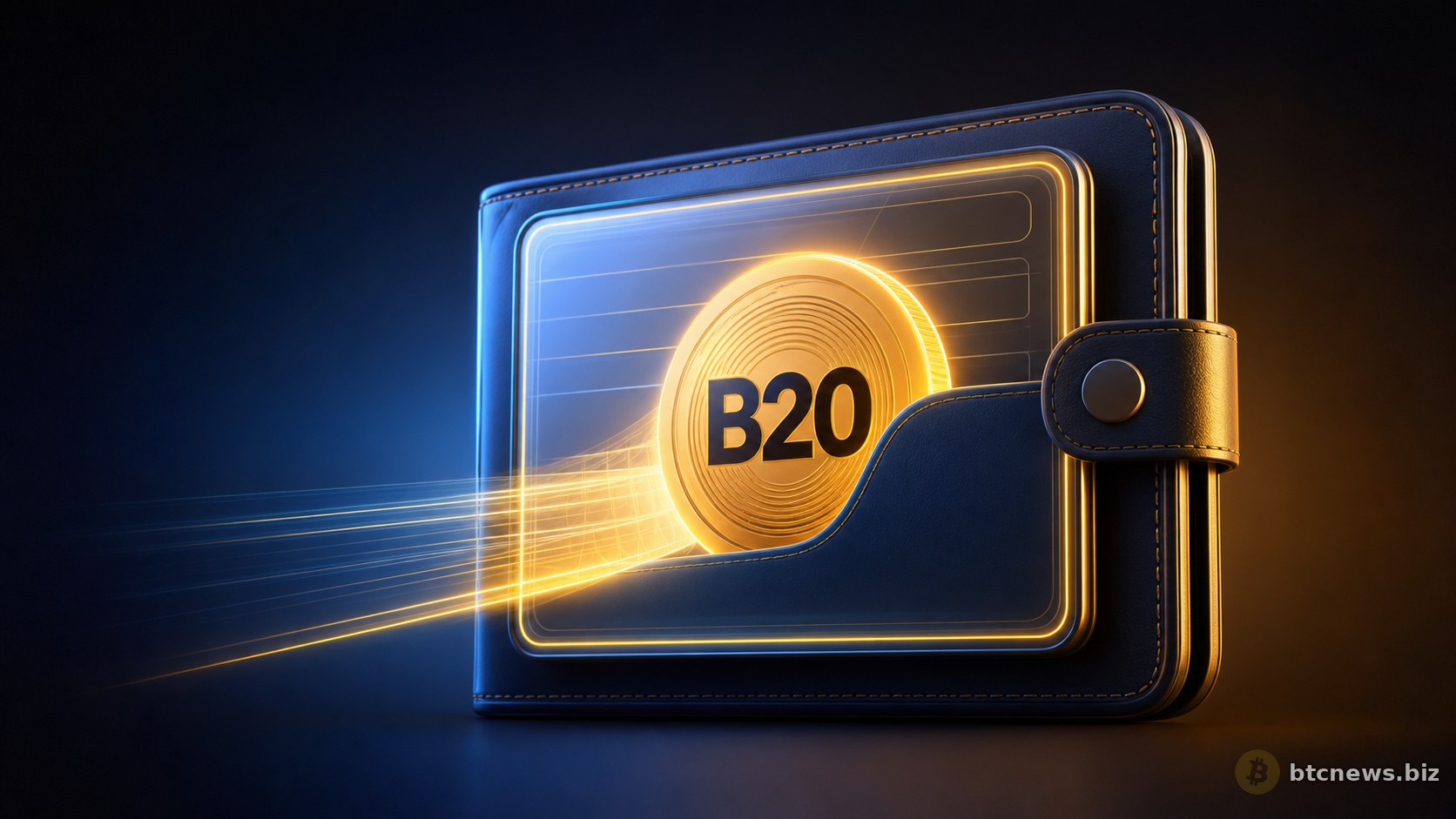
Binance Wallet backs Base B20 as on-chain token trading gets another shove
Binance Wallet, Binance’s crypto wallet, said today, July 8, 2026, that it will support trading for the Base B20 Native Token Standard on launch day. That matters immediately. B20 tokens will show up in front of a large wallet audience right away, not weeks later after users have already found some awkward route around it. My take: this is less about one token standard and more about wallet products trying to own the first touchpoint whenever a new on-chain asset format appears.
The announcement is about immediate support for Base B20, a new native token standard on the Base blockchain. The name sounds like protocol plumbing. The user experience should not. People should be able to trade these tokens from day one without chasing workarounds, dead links, or half-supported interfaces. Meme Rush, a token discovery platform, will add B20 tags and filters as well, which gives users a cleaner way to sort through the new tokens. Why does this matter? Because if people cannot find a token quickly, most of them will not trade it at all.
Base B20 is supposed to give projects a shared format, making tokens easier to find and use across apps. Most guides would stop there and call that standardization. That is only half right. The real test is whether the format reduces friction for traders and removes repetitive token plumbing for developers. Binance Wallet gives B20 tokens a ready trading path. Meme Rush gives users a way to track them without wading through as much junk. I will be honest: I would not dress this up as a market reset, but it does make Base-native tokens easier to reach, especially for retail users looking beyond ETH and the familiar large-cap coins.
The timing is hard to ignore. Crypto traders are still watching inflation, rate cuts, and central bank wording like it is a second job. Bitcoin (BTC) usually gets treated as the cleaner macro hedge. Newer Layer 2 tokens sit farther out on the risk curve. That is where Base B20 could get attention. In looser liquidity cycles, capital has often drifted into younger altcoin ecosystems because traders want more upside, even when the risk is obvious. B20 could catch some of that money if the first tokens get volume and stay visible.
Binance Wallet’s support also helps Base look more credible, but not because it changes the technology overnight. It gives Base distribution. That is the unglamorous part, and it may be the important part. When a major exchange-linked wallet supports a standard on day one, users get liquidity through an interface they already know. The spot Bitcoin ETF approvals earlier in 2026 showed how easier access can change market behavior, though B20 is much smaller and not really the same kind of asset. Yes, that comparison is imperfect. Bear with me. The habit is familiar anyway: make assets easier to trade, then make them easier to find. Attention usually follows. If traders decide B20 is where the action is, some liquidity may leave other Layer 2s or smaller EVM chains for a while.
What this means
Binance Wallet’s day-one B20 support points toward a more standardized Layer 2 market, though that phrase sounds neater than crypto ever is. In plain terms, Base tokens now have a better chance of reaching ordinary wallet users, not just people already buried in the ecosystem. The focus on exclusive tokens and simpler trading suggests Binance Wallet wants to pull users straight into specific on-chain markets. Is this enough by itself? No. If B20 launches with active projects and enough liquidity, Base could see more trading. If the first tokens are thin or forgettable, the standard may sink into the pile with plenty of other crypto experiments.
Traders should watch the first B20 trading volumes on Binance Wallet, not just the launch-day price spikes. Volume will say more than the marketing. I would start with two signals: which projects choose B20, and whether they bring actual communities rather than quick speculation. Base TVL is worth watching too, because fresh inflows would show capital moving into the chain rather than bouncing between tiny tokens. Counter to the usual launch-day advice, the loudest chart may be the least useful one. Another test is whether other major wallets or exchanges add B20 support after Binance Wallet. Meme Rush matters as well. If people actually use its tags and filters over the next few weeks, B20 tokens have a better chance of staying visible after the launch buzz wears off.