
















































Coinbase legal chief Paul Grewal leaves as regulation enters a different phase
Paul Grewal, Coinbase’s chief legal officer, is leaving after six years in the job. Coinbase says he will move into an advisory role at the end of July 2026. So, no, this does not read like a slammed-door departure. It reads like a controlled handoff.
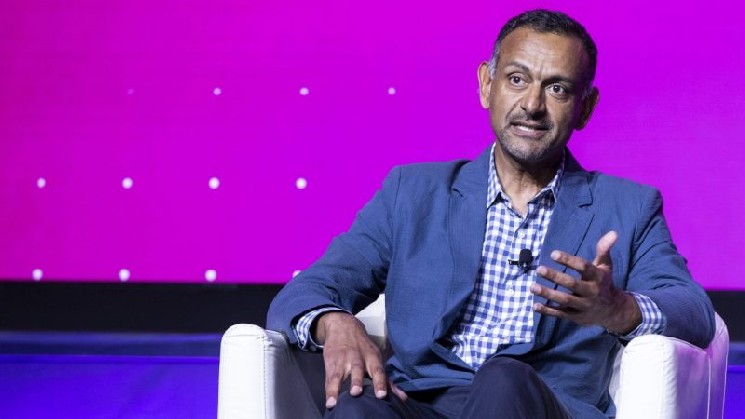
The company announced the move on July 9, 2026. Grewal has been one of Coinbase’s most visible legal voices during a brutal stretch for crypto, especially in the SEC fight and the push for crypto legislation in Washington. My take: anyone reading this as Coinbase suddenly going quiet is reaching. That would be strange. What it does suggest is more specific: Coinbase may be changing who leads the next round of the fight, and possibly how that fight gets framed.
Grewal will stay on as an adviser and keep his board seat at Coinbase National Trust Company. His run included Coinbase’s public listing, the SEC case, the company’s move from Delaware to Texas, and its work on the GENIUS Act and CLARITY Act. In the announcement, he thanked CEO Brian Armstrong, President and COO Emilie Choi, and the board, and said he would remain a “Coinbase ally for life.” Corporate line? Sure. Still, I read the message pretty plainly: Coinbase wants investors to see continuity, not drift.
The timing matters. Crypto exchanges are still under pressure from regulators, especially over which digital assets count as securities. That question has followed the industry for years, and it keeps resurfacing in court filings, enforcement actions, congressional hearings, and campaign-season positioning. Why does this matter? Because traders have already learned that regulatory headlines can move crypto fast. ETH and some altcoins have seen 5-10% swings around major legal or policy developments. So Grewal’s exit is not just an HR update. It is a signal investors will parse, even if Coinbase wraps it in routine succession language.
Grewal pointed to several wins and unfinished fights from his tenure: the public listing, the SEC case, the Texas move, and Coinbase’s legislative work. Those are not filler achievements. Coinbase has spent years arguing that the U.S. needs clear market rules instead of regulation by enforcement. Most guides frame that as a simple pro-crypto talking point. That’s only half right. It is also a valuation argument, because COIN has seen 3-5% gains on favorable legal or policy news in the past, while BTC and ETH often rise when investors think Washington may finally give the industry a clearer rulebook. The downside is blunt: if Coinbase looks less forceful, or if its policy push slows, traders may mark down exchange linked names first.
Molly Abraham will become general counsel. She has worked with Grewal on Coinbase’s major legal fights for more than five years, which makes this an internal legal succession rather than some outsider walking in with a fresh binder and a new doctrine. Ryan VanGrack will become vice chairman, focused on global government and partner relations. Faryar Shirzad will keep leading the global policy team. I’ll be honest: that is not the staffing chart of a company backing away from confrontation. It is a lot of machinery for a company supposedly “pivoting” away from pressure in court, with regulators, and on Capitol Hill.
The institutional angle is worth watching too. Large investors have said for years that regulatory uncertainty is one reason they move slowly on crypto. If Coinbase helps push clearer rules through Congress or eases the enforcement climate, that could matter for capital flows. A better policy backdrop could help BTC challenge levels above $61.4K. It could also make ETH staking products easier for institutions to defend. Maybe. Crypto markets have a bad habit of overpricing hope, and yes, this slightly contradicts the optimistic read two sentences ago. Both things can be true: policy can matter, and traders can still get ahead of themselves.
What this means
Grewal’s move looks like a leadership change, not a retreat. Abraham is an internal pick with years on the same legal matters, and Coinbase is keeping VanGrack and Shirzad in roles tied to government, policy, and institutional relationships. New phase, not surrender. The company still wants market structure legislation. It still wants clearer U.S. rules. It still has to deal with the SEC.
For investors, the question is whether Coinbase can keep up its legal pressure and policy momentum without Grewal as the public face of that work. A friendlier regulatory setup could reduce some of the risk built into COIN’s valuation. Equity analysts have argued that before. But the stock will probably stay sensitive to headlines, especially if new filings, hearings, or SEC actions make the legal path look harder. Is this over-reading one executive move? For a quiet company, maybe. For Coinbase, no.
Watch the GENIUS Act and CLARITY Act first. Amendments, hearing dates, or public comments around those bills could show where Coinbase plans to spend its political capital. Coinbase’s first major legal filings or public statements under Abraham will matter too, because tone matters in this fight. Counter to the usual advice, the legal substance will not be the only thing markets read. The posture matters. If the company stays aggressive, markets may treat the transition as orderly. If it sounds more cautious, people will notice quickly.
On the trading side, COIN’s 200-day moving average remains a useful sentiment marker. It is not magic. Nothing in technical analysis is. But if regulatory news improves and COIN holds above that level, investors may read it as confidence in Coinbase’s next legal chapter. If the stock breaks down around bad SEC news or stalled legislation, the Grewal transition will get folded into a broader bearish story whether Coinbase likes it or not. Simple as that.