
















































Clarity Act Reboot: Senate Crypto Bill Nears Release, Regulation Pressure Builds
A new version of the crypto Clarity Act could arrive next week, according to people familiar with the talks. My take: the market does not need another slogan here. It needs a rulebook. If it moves, the bill would give exchanges, token projects, and investors something closer to that than the current patchwork of enforcement actions, agency warnings, and legal guesswork. The fight is simple enough: crypto firms want rules they can survive, regulators want more authority, and Congress is trying to act before the 2026 calendar gets ugly.
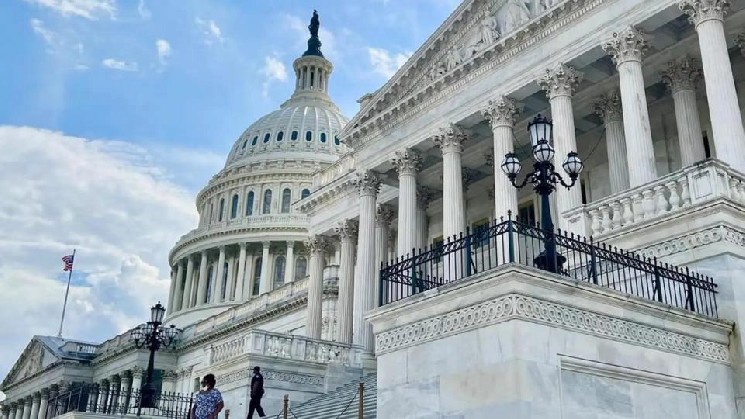
The Senate bill aims to regulate the crypto industry before this legislative window closes. Supporters expect a new draft as soon as next week, with a possible Senate push later in July. The timing is tight. Really tight. The Digital Asset Market Clarity Act has only a few weeks to build momentum before election-year politics start crowding the calendar. So will the usual congressional fights over nominations, spending, and committee turf.
People close to the negotiations say the talks have moved forward. The new text combines work from the Senate Banking and Agriculture committees. That sounds tidy. It is not. Staffers say the bill still lacks enough Democratic support, despite several Democratic priorities being added to the latest draft. Most guides to crypto legislation treat “bipartisan support” like a ceremonial phrase. That is only half right. Without at least some Democratic backing, this bill can stall quickly.
The combined Clarity Act has reportedly added more than 70 pages. One major issue remains open: Democrats want a restriction that would prevent senior government officials, including the president, from maintaining business ties to the crypto industry. Several lawmakers have said they will not support a final bill without that ethics language. Why does this matter? Because crypto regulation is already politically radioactive without lawmakers appearing to write rules for businesses they, or their allies, might benefit from. I’ll be honest: this is the part of the bill that could turn a technical market-structure debate into a cable-news fight overnight.
The merged draft expected next week is not just the two committee bills stapled together. Members from both committees have been working through open issues, and the Agriculture Committee has been especially active after passing its version on party lines. The new bill is expected to put more weight on consumer protection. That could help the industry with large investors who hate legal uncertainty. It could also raise compliance costs for companies such as Coinbase (COIN). Rules can make a market look more legitimate. They can also make it more expensive to operate in. Both things can be true.
Supporters want the bill on the Senate floor as early as the week of July 20, though negotiators still have plenty to settle. The ethics clause is one issue. Federal preemption is another. They also need to resolve questions around appointments at the Securities and Exchange Commission (SEC) and the Commodity Futures Trading Commission (CFTC). Earlier Thursday, the White House sent a letter to Senate leaders John Thune and Chuck Schumer saying Democrats had not submitted names for minority seats on those commissions. That may sound procedural. It still matters. Counter to the usual advice, do not ignore the staffing fight just because it looks boring. Staffing fights can slow a bill down when there is not much time left.
The lack of clear crypto rules has weighed on the market for years, especially through SEC enforcement actions against exchanges and staking services. Staking is the clean example. When the SEC treats certain staking products as securities, platforms have to pull back, redesign products, or stop offering them to U.S. customers. A Clarity Act with real force could give firms a better sense of what is allowed. It could also make large institutions more willing to enter the market. Ethereum (ETH) would be one asset to watch, since the regulatory treatment of proof-of-stake systems keeps showing up in price narratives. We have seen that theme drive ETH commentary again and again: not always the price itself, but the story traders wrap around it.
The timing matters for the broader market too. Traditional assets are still dealing with inflation pressure and higher rates. Bitcoin (BTC) is often sold as an inflation hedge, but lately it has traded more like a risk asset, especially when tech stocks move hard. Cleaner rules might help BTC trade a little more on its own. Maybe. Yes, that hedges the point. It should. If the bill is too restrictive, capital could move offshore and major crypto assets could take a hit. Other markets have seen that pattern after regulatory crackdowns. The U.S. is not exempt.
What this means
The renewed Clarity Act push shows Congress still wants a crypto framework, even if lawmakers remain split on the details. Consumer protection and ethics language now sit near the center of the debate, so exchanges and DeFi protocols should expect tougher operating rules if a bill passes. Is this bad for crypto? Not automatically. Over time, known rules could help institutional adoption because investors prefer defined treatment to regulatory guesswork. In the short run, though, companies like Coinbase (COIN) could feel pressure if compliance costs rise. Token valuations may also turn on how the final text separates commodities, securities, stablecoins, and other digital assets.
Investors should watch for the merged text next week, then pay close attention to the Senate reaction. The federal preemption language matters. So does the ethics clause. Skip the victory laps. If Democrats do not come around, the bill could die for this cycle and leave crypto in the same uneasy place. If negotiators reach a deal, sentiment could improve fast. Bitcoin (BTC) near $70,000 is the obvious level traders will bring up if institutional money sees a cleaner path in. The next date that matters is the Senate floor schedule for the week of July 20.