
















































Grayscale CFO exit: another leadership shake-up as ETF fees get brutal
Grayscale CFO Edward McGee has left after seven years, making him the latest senior executive to leave the crypto asset manager. I would not call that a crisis by itself. Seven-year CFO runs end. People leave jobs. But with the IPO pushed back and GBTC bleeding assets, Grayscale looks shakier than it did a year ago.
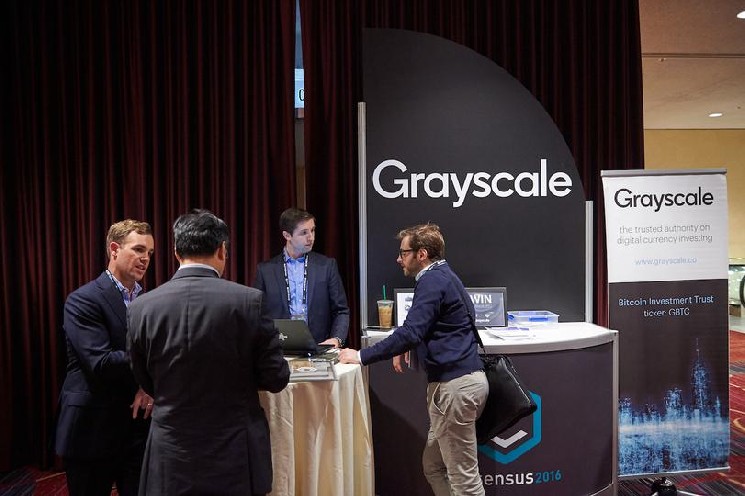
In a Thursday SEC filing, Grayscale said McGee resigned effective July 2 for “personal reasons” and said the move was not tied to any disagreement over company operations. His exit comes only weeks after John Hoffman, managing director and head of distribution and partnerships, left for tokenized asset platform Ondo Finance. Grayscale has named Kathryn Masci and Daniel Plourde as interim co-CFOs. Masci also becomes principal financial and accounting officer and joins the board of managers. She joined Grayscale in 2020 and was previously senior vice president of finance, after earlier roles at Garrison Capital, Pzena Investment Management, and Ernst & Young. Plourde joined in 2022 after senior roles at Gabelli Asset Management and State Street Global Advisors. He also served as assistant treasurer of the Grayscale Funds Trust. My take: the interim setup matters less than whether investors see it as control or drift.
The departures come while Grayscale has paused its U.S. IPO plans. The company filed confidentially in November last year, but people familiar with the process say the work is on hold because of market conditions and probably will not restart before the fourth quarter. Grayscale, owned by Digital Currency Group, has been around since 2013 and was one of the main ways traditional investors got Bitcoin exposure before spot ETFs existed. GBTC converted into an ETF in January 2025. It once held about $28.5 billion. It now manages roughly $8.5 billion after investors pulled money and shifted to cheaper funds. That is not a rounding error.
That $20 billion drop in GBTC assets shows how unforgiving the spot Bitcoin ETF market has become. Most fee stories sound boring. This one is not. When the SEC approved spot Bitcoin ETFs in January, BlackRock, Fidelity, and other issuers came in with much lower fees than GBTC. Investors noticed. Of course they did. Grayscale had the brand and the early lead, but high fees are hard to defend when cheaper funds sit right there on the same brokerage screen. Why does this matter? Because the move from $28.5 billion to $8.5 billion shows how fast loyalty fades when cost becomes visible. Other crypto funds should probably take the hint. For traders, ETF fees are no longer background noise. Flow data is not either. They can move BTC flows day to day, especially when large funds gain or lose assets quickly.
The IPO delay also says plenty about how crypto firms are reading the market. “Market conditions” is a broad phrase, but here it likely means Grayscale does not want to test public investors while rates are unsettled. Inflation data keeps shifting expectations. Risk appetite is not exactly steady. Counter to the usual crypto-market take, Bitcoin strength alone does not clear the path for every crypto equity story. Bitcoin recovered hard in 2024 and crossed $73,000 in March, but that does not mean investors want every crypto listing that comes along. Public markets can be harsh, especially when the story includes shrinking assets and executive turnover. I’ll be honest: a paused IPO often says more in practice than the official wording does. Grayscale may be waiting for a cleaner moment. Other crypto firms thinking about IPOs may wait too, especially if they need stronger numbers before facing quarterly scrutiny. For ETH and large-cap altcoins, the read-through is indirect but still there: when big crypto institutions slow down, liquidity and sentiment can cool a bit.
What this means
Grayscale is in an awkward spot. The CFO exit, the recent distribution head departure, the paused IPO, and the GBTC outflows point to the same thing: the firm has less room to coast. Spot Bitcoin ETFs changed the business fast. Premium pricing for basic crypto access is harder to justify now. Investors have shown they will move when cheaper options appear. Yes, this cuts against the old Grayscale advantage story; bear with me. A brand can open the door, but a fee gap can push people right back out. Watch for more fee cuts across the ETF market. Those changes will matter for BTC flows, and maybe for the next wave of crypto investment products.
The next question is whether Grayscale fights harder on price. Does it cut GBTC fees again to slow the bleeding? Maybe. Do Masci and Plourde change the financial strategy, or just steady things until a permanent CFO arrives? That is the useful question. The clues will come from quarterly reports, SEC filings, ETF flow data, and fee updates. Net inflows and outflows are the cleanest signal. Is this overreading one CFO exit? By itself, yes. Paired with a paused IPO and the drop from $28.5 billion to $8.5 billion, no. If GBTC keeps losing assets while BlackRock and Fidelity keep gaining, the market has already made its choice. Big shifts in those flows could also show up in Bitcoin price action, especially around levels traders already care about, like $60,000 and $70,000.