
















































Robinhood CEO Tenev: RWAs, not memes, drive crypto’s future
Robinhood CEO Vladimir Tenev is drawing a hard line for crypto investors: real world asset tokenization matters more than meme coin hype. My take: that is the least flashy crypto argument and maybe the most durable one. Meme coins can jump 80% in a week and still leave you asking what, exactly, you own. Tokenized property, bonds, and commodities are duller. Fine. They also sound like assets someone can underwrite instead of just refresh on a phone.
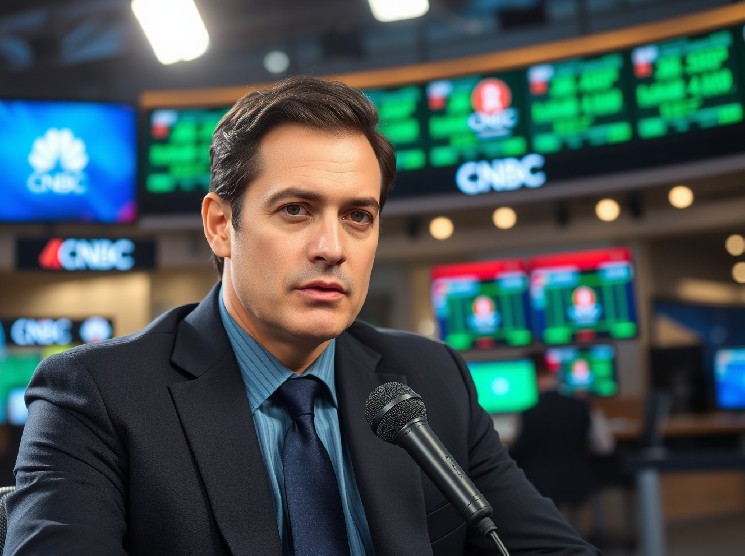
In a recent CNBC interview, Tenev said meme coins lack utility and do not add much to the financial system. He put the longer term opportunity in familiar assets moving onto blockchain rails: real estate and bonds. Commodities too, though that market gets messy fast once custody enters the room. Most crypto commentary says attention is the product. That is only half right. Attention can move DOGE or SHIB for a week; it does not automatically create a financial system someone can defend to a risk committee.
Robinhood is not leaving this as a talking point. The company recently launched Robinhood Chain, its own Layer 2 blockchain built on Arbitrum technology. The chain is meant to support tokenization and DeFi apps, with real assets near the center of the plan. Why does this matter? Because Robinhood has millions of retail users who already know the app. If even a small share of them eventually buy tokenized funds, bonds, or property exposure there, RWA products stop looking like a niche crypto experiment and start looking like another brokerage feature. That changes the frame.
The regulatory piece is hard to ignore. Governments are much more likely to tolerate tokenized bonds or real estate, where the underlying asset and legal claim are already understood, than meme coins with no issuer accountability and no obvious cash flow. DOGE and SHIB have made huge moves, mostly on sentiment and internet momentum. RWAs are selling a different pitch: known assets, clearer rules, blockchain settlement, and fewer mysteries about what the buyer actually owns. I’ll be honest: I would not call that glamorous. That is probably the point. If institutions put more money into regulated tokenized assets over the next few years, liquidity could slowly move away from the casino end of crypto and toward products that look like finance with a blockchain backend.
Robinhood’s move says something real about crypto adoption, just not in the usual hype cycle way. The company is building infrastructure inside a regulated financial business, not just adding another token list. If users can buy fractional exposure to a commercial property, a Treasury product, or a bond through an app they already use, the pitch changes from “join DeFi” to “buy this asset in a new wrapper.” Easier sell. Yes, this sounds less crypto-native than the old DeFi pitch; that is exactly why it may work. It also puts pressure on DeFi protocols that have mostly lived inside crypto native markets. If real assets become the next fight, compliance may matter as much as yield. Asset sourcing may matter even more.
What this means
Tenev’s comments point to a crypto market that is getting less obsessed with novelty and more interested in products someone can defend in a boardroom. That does not mean meme coins disappear. They will not. People like gambling with a ticker. Still, capital may split more clearly between speculative tokens and platforms tied to real assets, especially if regulators give tokenized securities a workable path. Counter to the usual advice, this is not just a “watch Bitcoin dominance” moment. Ethereum could benefit too, since much of the RWA activity still depends on Ethereum based infrastructure and Layer 2 networks.
Investors should watch for bank partnerships and brokerage launches. New tokenized asset products matter as well, especially over the next 12 to 18 months. Arbitrum and other Layer 2 networks matter here because RWA apps need cheaper, faster settlement than mainnet Ethereum usually offers. Is this overkill? For a brokerage-scale product, no. Robinhood Chain announcements will be worth watching, especially if the company names specific asset classes instead of leaning on vague tokenization talk. The real test will be volume: are RWA backed tokens gaining market cap and daily trading activity while meme coins fade between hype cycles? SEC guidance on tokenized assets could also move the market quickly. One clear ruling could do more than a dozen conference panels.