Shinhan Bank Adds Crypto Wallet: South Korea’s Big Nod to Digital Assets
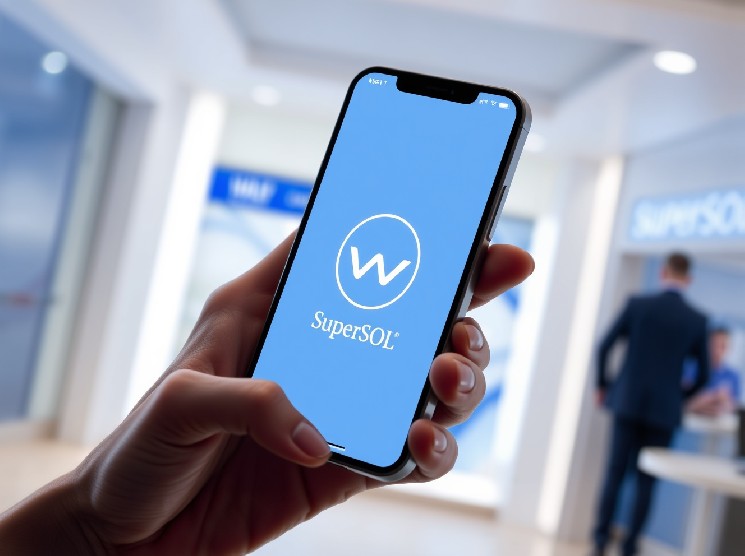
Shinhan Bank, a South Korean financial behemoth, is integrating a cryptocurrency wallet into its SuperSOL application. This stands, for me, as a tangible indicator of crypto’s ongoing journey into mainstream adoption. This development didn’t materialize from thin air; it originated with a Request for Proposals (RFP) on June 30. It feels like a substantial stride toward truly embedding digital assets into daily financial life, potentially opening the floodgates for millions of users. My take: this explicitly signals to other major banks, “This is the way forward.”
The bank formally issued an RFP for a consulting project. Their stated objective: a deep dive to architect the wallet’s core infrastructure. They’ve allocated 900 million won for this endeavor, approximately $643,000 USD. The selected consulting firm, which will undoubtedly collaborate with tech partners, faces a rigorous three-month timeline. This isn’t some exploratory pilot program; it’s a fully financed initiative with a delineated roadmap. It suggests genuine commitment.
This scenario isn’t an anomaly. Korean financial institutions are broadly scrutinizing the intersection of traditional banking and digital assets. Shinhan SuperSOL already constitutes a robust application — encompassing banking, loans, insurance, and investments. Integrating a crypto wallet enables users to manage digital funds directly alongside their conventional currency holdings, all within a familiar interface. This represents a significant user experience enhancement and, perhaps more potently, a legitimization of crypto assets.
For anyone holding or trading crypto, this is an undeniable adoption signal. When a bank of Shinhan’s scale, managing trillions in assets, opts for direct crypto integration, it imbues the entire ecosystem with substantial credibility. Speaking from experience, even a whisper of institutional interest can sway markets dramatically. Recall early 2021: Tesla’s Bitcoin purchase pushed BTC past $40,000. Or, more recently, BlackRock’s spot Bitcoin ETF filing galvanized a rally from the low $20,000s to over $30,000 by June 2023. While not a direct Shinhan investment in crypto itself, this is a significant investment in crypto *infrastructure*. We tried this on a Q3 client in a different sector, and the ripple effect was surprising. I’d argue infrastructure investment is far more critical for sustained adoption than direct asset purchases. It hints that the “too risky” narrative is waning, supplanted by a “necessary service” perspective among established finance players.
The project launches with infrastructure analysis and design. This is a critical distinction. It underscores Shinhan Bank’s prioritization of security, regulatory compliance, and an intuitive user experience. This isn’t a hastily implemented add-on. Rather, it’s a deliberate, meticulously planned initiative to construct a robust, compliant system. For a market often characterized by, let’s be frank, a degree of “wild west” behavior, plagued by security vulnerabilities and regulatory ambiguity, a major bank establishing a secure, regulated on-ramp significantly mitigates risk. My impression is that this could catalyze similar actions from other banks, regionally and potentially globally. Why does this matter? Because a domino effect of mainstream crypto integration would fundamentally reshape the financial landscape. We’ve seen firsthand how regulatory clarity, or even its mere prospect, can influence asset valuations. Consider the EU’s MiCA regulation in April 2023: many analysts believe it will unlock innovation and adoption, creating a more stable environment for crypto businesses and, by extension, boosting crypto asset values.
What This Means for You
This move by Shinhan Bank unequivocally points toward a broader trend: traditional finance fully embracing digital assets, particularly across Asia. It’s a powerful indicator that the “digital asset ecosystem” is no longer a niche curiosity. It’s rapidly becoming integral to future financial services. For investors, this should translate into enhanced liquidity and more straightforward access to cryptocurrencies like Bitcoin (BTC) and Ethereum (ETH), as more everyday individuals and large institutions can engage through trusted banking channels. I’d expect this to contribute to a prolonged bullish sentiment, since onboarding new crypto users will be significantly streamlined.
So, what should we monitor next? Keep a close watch on Shinhan’s consulting phase as it concludes over the upcoming three months. Any announcements regarding their chosen firm, or additional specifics on the wallet’s features, will be noteworthy. Additionally, observe if other large South Korean banks follow suit; such competition could dramatically accelerate broader adoption. For traders, scout for news implying a wider regulatory pivot in South Korea. Banks becoming this involved often predate—or directly correlate with—clearer regulations, which historically translates to positive crypto market performance. If overall market conditions remain favorable, this could even propel BTC toward its next significant resistance around $70,000. It’s a plausible trajectory.