
















































Robinhood Chain Arbitrum launch puts retail crypto back in focus
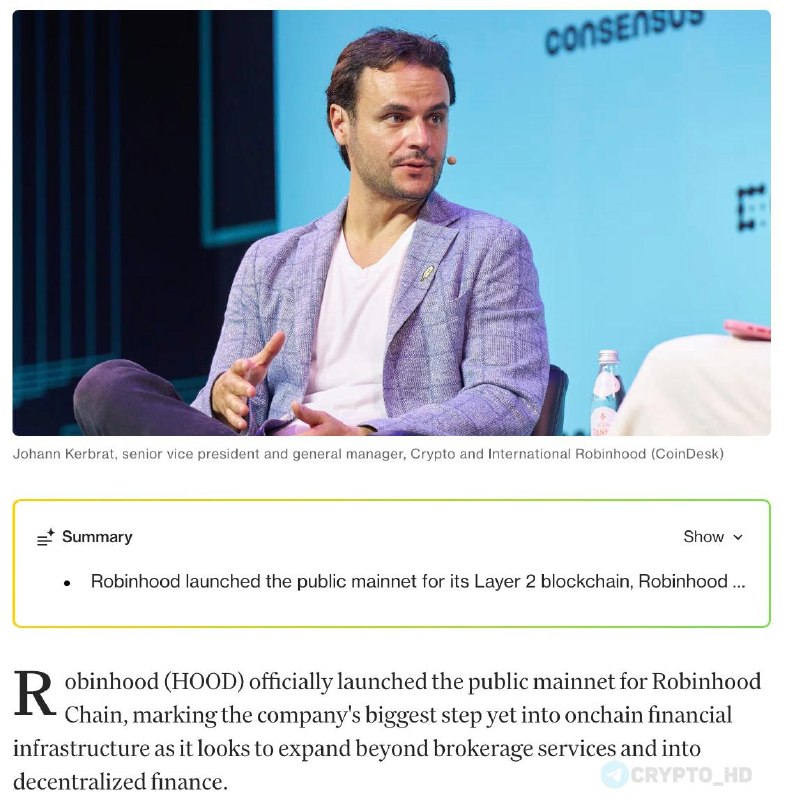
Robinhood has launched the mainnet for Robinhood Chain, its L2 blockchain built on Arbitrum, after an earlier testnet phase. This is worth watching. Not because it flips crypto overnight, but because Robinhood already has the retail audience that most crypto projects never manage to reach. My take: the important part is not the chain itself, it is the distribution. If blockchain features land inside an app people already open for stocks, options, or crypto, DeFi suddenly gets a cleaner front door.
It also shows Robinhood pushing past basic crypto trading. The company is building more of the infrastructure itself now, which changes the shape of the bet. Details on the chain’s first features are still thin, so I would not overread the launch yet. I’ll be honest: the announcement matters less than what users can actually do with it. Still, the Arbitrum choice is not random. Arbitrum is an Ethereum Layer 2 network known for cheaper and faster transactions than Ethereum mainnet. For Robinhood, the priority looks pretty plain: make the experience cheap and smooth enough that regular users barely notice the blockchain underneath.
This is mostly a retail story, and that is the point. Robinhood has millions of users, and many found the app through stocks, options, or crypto during the 2020 and 2021 boom. A Robinhood owned chain could move some of those users into onchain products without making them fight with wallets or bridges. Gas fees are another problem. So is the general weirdness of crypto UX. Why does this matter? Because the first app that hides those rough edges from normal users gets a real advantage. Markets have reacted to this kind of consumer finance move before. When PayPal announced crypto services in October 2020, Bitcoin moved from roughly $12,000 to above $13,000 within days. Robinhood Chain may not move the market that fast. It may be slower and messier. That matters too. Still, it puts another large consumer finance brand directly into the L2 market, which could help Arbitrum linked assets if usage follows.
There is a regulation angle too, though instant clarity seems unlikely. Most guides frame public-company blockchain launches as automatic validation. That is only half right. When a public company like Robinhood launches its own blockchain infrastructure, regulators also get one more reason to spell out what is allowed and what is not. The SEC has already gone after major crypto firms, including Coinbase (COIN) and Binance, and token classification is still messy. Robinhood entering the L2 space may add pressure for clearer rules, especially if user activity grows. That would help the industry. For now, regulation will keep moving prices around. ETH, for example, fell about 5% to $3,000 in early May after renewed SEC attention on staking.
What this means
Robinhood Chain shows that some traditional finance apps no longer want to sit on top of crypto. They want their own rails. That is a different bet from simply listing BTC or ETH for trading. It suggests Robinhood sees value in controlling more of the user experience and product design. Fees matter. Settlement paths matter. Counter to the usual advice, the headline partnership is not the thing investors should obsess over first. Usage matters more than announcements, but Robinhood building on Arbitrum gives the network a stronger enterprise case. For Arbitrum (ARB), that is useful validation. Other L2s will notice.
Investors should watch what Robinhood adds next. The questions are simple: which tokens will be supported, what users can actually do onchain, whether Robinhood connects the chain to existing products like commission free trading, and how fractional shares fit into the broader strategy. Is this overkill? For a consumer finance app with millions of users, no. Arbitrum’s (ARB) price action is worth tracking around each update, but usage data matters more than a quick pump. Yes, that sounds less exciting than chasing the first candle after an announcement. It is also the cleaner read. Regulatory comments deserve attention as well. The next Robinhood earnings call may give the clearest signal on strategy, user adoption, and whether this is a serious product line or still an experiment.
FAQ: Robinhood Chain Arbitrum launch
What is Robinhood Chain?
Robinhood Chain is Robinhood’s L2 blockchain, built on Arbitrum, designed to bring blockchain features into the company’s trading platform. My read: the trading app matters as much as the chain here.
Why did Robinhood choose Arbitrum?
Robinhood chose Arbitrum because it offers lower transaction costs and better efficiency than Ethereum mainnet. That matters if Robinhood wants users to try blockchain products without getting hit by painful fees.
How might this impact crypto adoption?
It could bring more retail users into crypto, especially people already using Robinhood. The real test is whether Robinhood can make onchain products simple enough for users who do not care about the tech. Most will not.
Could this affect crypto regulation?
It might. A public company launching its own L2 chain gives regulators more pressure to clarify the rules around tokens, staking, custody, and user protections.
What does this mean for Arbitrum (ARB)?
It is a positive headline for Arbitrum because Robinhood chose it as the base technology. ARB could benefit if Robinhood Chain brings real activity, not just attention. That is the catch.
What should investors watch for next?
Watch Robinhood’s next updates on supported tokens and chain features. Track ARB price action, regulatory responses, and the company’s next earnings call for user numbers and strategy details.