
















































US Iran Peace Deal Has Crypto Traders Watching Bitcoin Risk
Al Arabiya says the United States and Iran have agreed on a final draft deal, with Pakistan mediating. An announcement could come within hours. For crypto traders, the first read is blunt: if Gulf risk cools off, Bitcoin may lose some of its panic bid. ETH and the rest of crypto could get a cleaner risk setup. I’ll be honest: that is not the exciting read, but it is probably the tradable one.
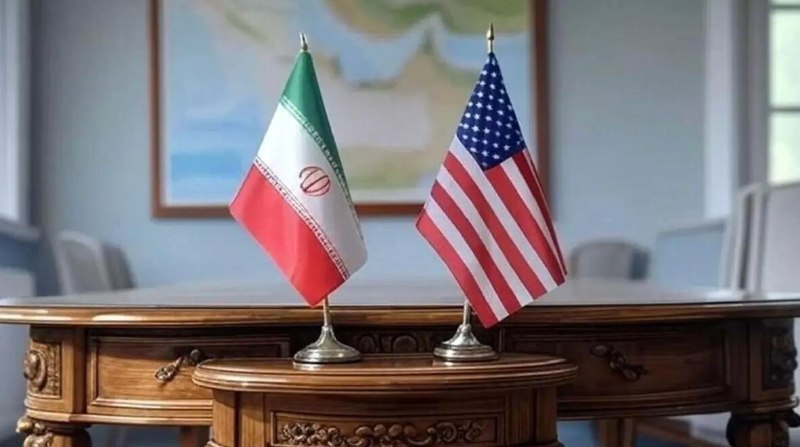
The reported draft calls for an immediate ceasefire across all fronts. It also says both sides would agree not to hit infrastructure, while navigation in the Persian Gulf and the Strait of Hormuz would be protected through joint monitoring. Sanctions relief would happen in stages if Iran follows the terms. Talks on the unresolved parts would have to begin within seven days after the agreement process starts. Terse version: stop shooting, protect shipping, verify later.
Context/analysis: Crypto traders have seen versions of this trade before, just not with these terms. On January 3, 2020, BTC rose 5% after the U.S. killed Iranian commander Qasem Soleimani. By January 8, 2020, Bitcoin traded as high as $8,438 during the next round of escalation. CoinMarketCap’s January 8, 2020 snapshot had BTC at $8,079.86, up 12.24% over seven days. That was the clean version of the Bitcoin hedge trade. Most guides say Bitcoin is either a hedge or a risk asset. That is only half right.
April 13, 2024 was messier. When reports of Iranian strikes hit the tape, BTC fell about 7% in less than an hour, from around $68,000 to about $62,000. ETH got hit too. My read is simple: Bitcoin can look like a hedge when the first headline lands, then trade like high beta tech as soon as liquidity dries up. We have seen that split show up repeatedly in headline-driven crypto moves: the story says “safe haven,” but the order book says “sell what is liquid.”
The hedge angle matters because this draft goes straight at what traders actually worry about: oil and shipping lanes first, then the dollar, gold, and Bitcoin. Why does this matter? Because the Persian Gulf and the Strait of Hormuz are not just map labels. If the navigation guarantees hold, markets may price in less energy disruption and less need for emergency hedges. Less panic demand for BTC follows from that. It works both ways.
The macro side matters too. A real ceasefire and a pause on infrastructure strikes would lower the chance of an oil shock feeding inflation fears. That is where the oil price crypto impact shows up. Lower energy stress can help risk assets by taking pressure off rates. Fresh disruption in the Gulf can push traders back toward cash, gold, short duration bets, and sometimes Bitcoin for a few frantic hours. Counter to the usual advice, BTC and ETH do not sit neatly in one macro bucket. BTC and ETH sit awkwardly in the middle because they trade as both macro assets and liquidity assets. Annoying, but true.
The sanctions wording is harder to read. Gradual sanctions relief, if Iran follows the deal, could reduce one source of iran crypto sanctions risk that has kept exchanges, stablecoin issuers, and compliance teams cautious around regional flows. But this is not a crypto adoption story. The report does not say Iran, Pakistan, the United States, any bank, or any company will use BTC, ETH, stablecoins, or blockchain rails as part of the agreement. Traders should not invent that angle just because it would make a clickable headline. My take: if a headline needs four extra assumptions to become bullish, skip it.
Timing is the awkward part. The report says an announcement is expected in the coming hours, and that talks on remaining issues should begin within seven days after the agreement path opens. If the announcement lands on May 21, 2026, the seven-day watch window points to around May 28, 2026. Is the first headline enough? No. That date may matter more than the first headline. Crypto often reprices once on the initial jolt, then again when traders decide whether the move has legs.
What this means
This reported U.S.-Iran draft could move markets from escalation pricing to verification pricing. For BTC, that means traders may stop paying a clean geopolitical premium and start checking whether the ceasefire, infrastructure restraint, navigation guarantees, and sanctions relief survive the first week. Yes, this slightly contradicts the tidy “peace is risk-on” take. Bear with me. BTC is the first ticker to watch, then ETH. Bitcoin gets the hedge narrative. Ether usually reacts more to risk appetite and liquidity. The levels worth keeping on screen are the April 13, 2024 shock zone around $62,000 to $68,000 and the January 8, 2020 high near $8,438. Not as targets. As reminders of how fast conflict headlines can reverse a trade.
Watch the next announcement, then watch the seven-day deadline for unresolved talks. If the process starts on May 21, 2026, that points to May 28, 2026. For trading signals, BTC funding and CME Bitcoin futures open interest matter first. ETH/BTC comes next because it shows whether investors are treating peace as a risk-on event or selling Bitcoin as the hedge premium fades. A deal that protects the Persian Gulf and the Strait of Hormuz can calm macro volatility. One failed monitoring test can put geopolitical events crypto trading right back on the desk. Simple, but not comfortable.