















































US Iran Crypto MOU Signed: What It Means for Bitcoin’s Safe-Haven Narrative
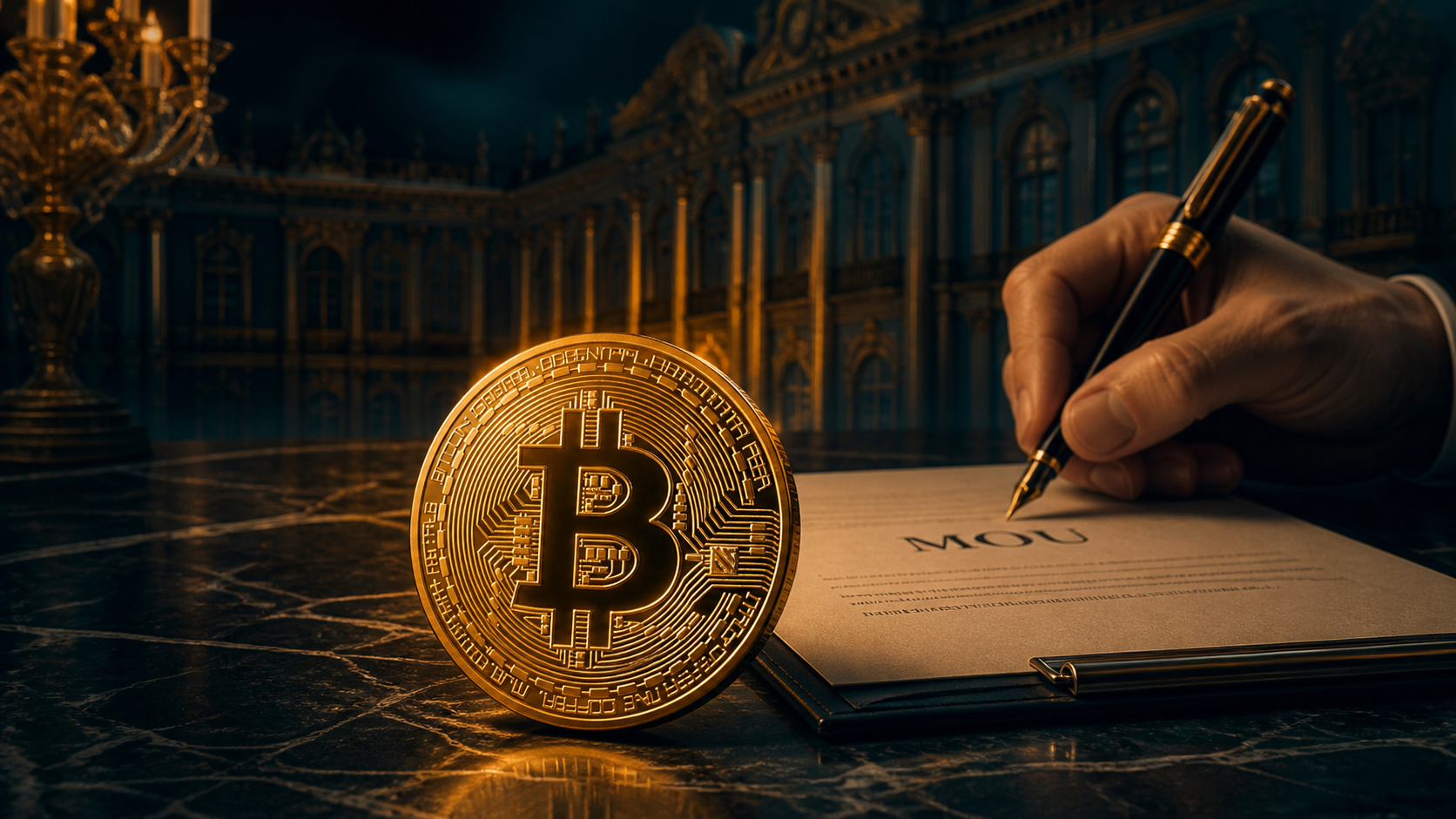
A Memorandum of Understanding, or MOU, is a formal agreement that says two or more parties plan to work toward the same goal. The US and Iran MOU took effect on Wednesday after both sides signed it remotely. Donald Trump also signed a copy during dinner with Macron at Versailles Palace, according to an Axios reporter. Strange setting. Serious paperwork. My take: that odd image is exactly why markets may struggle to price it cleanly. For Bitcoin, the question is whether this dents, strengthens, or just muddies the safe-haven story traders reach for whenever geopolitics gets tense.
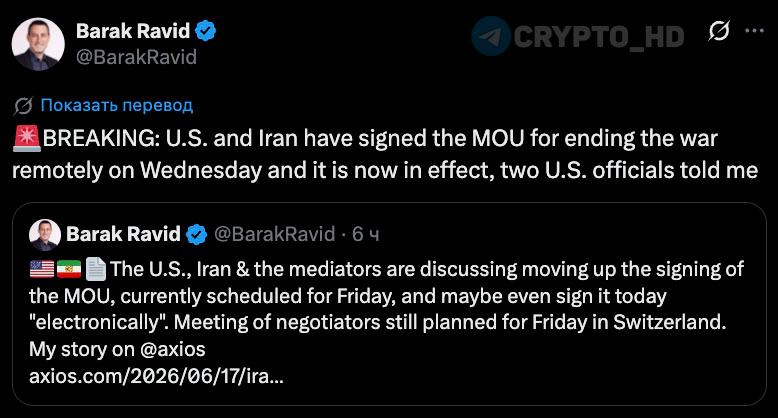
The signed copy was photographed and sent to Iranian officials and intermediaries. The terms had already been agreed. So this is no longer just talk. Still, markets may treat it like talk until implementation starts to bite. Traditional markets will need time to digest the Wednesday signing, the remote approval, and the Versailles optics. Crypto usually moves faster. Sometimes too fast.
Most guides say geopolitical tension is automatically bullish for Bitcoin. That’s only half right. In past flare-ups, especially those involving oil-producing countries, some investors have moved money into assets they see as shelters. Bitcoin has been part of that trade at times. After the January 2020 Soleimani strike, BTC rose about 8% in 72 hours as markets tried to price the shock. Does that mean every geopolitical headline sends Bitcoin higher? No. It does not. But instability can give BTC a bid, partly because some traders still treat it as a digital version of gold. This US Iran crypto MOU is not a war headline, and that matters. I’ll be honest: traders will probably read more into it than the document deserves.
There is also the capital-flow angle, which is less dramatic but probably more important. If the MOU points toward looser sanctions or new trade channels, even indirectly, it could change how investors price risk. A calmer reading might pull some money away from risk-off trades, including BTC. A fragile or messy reading could do the opposite. I would be careful pretending this is clean. It is not. Counter to the usual advice, the cleanest Bitcoin reaction may not come from Bitcoin at all; it may show up first in oil, rates, or dollar liquidity. Global liquidity and central bank policy can move risk assets hard. Large international agreements can too. Ethereum often trades more like a broad risk asset than a pure crypto bet. If macro sentiment turns sharply, ETH could test resistance near $3,800 or slip toward $3,500, depending on how traders interpret the deal.
What this means
A recalibration of geopolitical risk means investors are changing how they price political events. This US Iran crypto MOU could push crypto either way. If traders see it as de-escalation, Bitcoin may lose some immediate safe-haven demand. If they see it as unstable, unfinished, or likely to create new disputes, BTC could catch a bid from investors looking for assets outside the usual system. Bitcoin is still the main gauge here. Watch volume first. Then price. Why does this matter? Because a headline-driven move without volume usually fades. A clean break above $68,000 would matter, and a drop below $65,000 would change the tone fast.
Next, watch official statements from Washington and Tehran about how the MOU will be carried out. Details will matter more than ceremony. Yes, this contradicts the market’s instinct to trade the photo first and the substance later. Bear with me. CME Bitcoin futures open interest is also worth tracking because it gives a better read on institutional positioning than social-media chatter. Is this overkill? For the first 72 hours after a US and Iran signing, no. That window should show whether this becomes a real market event or just another headline that gets chewed up and forgotten. The next FOMC meeting minutes will add the wider macro backdrop, even though they are not directly tied to the MOU.