















































Trump-Iran tensions and crypto regulation lead the daily crypto news digest
Wednesday, July 8, brought another rise in US-Iran tension, with reports of fresh strikes putting Bitcoin’s safe-haven argument under pressure again. Meanwhile, Russia, Kazakhstan, and India are all pushing crypto policy in different directions. Same asset class. Very different rulebooks. My take: that gap matters more than the daily chart makes it look.
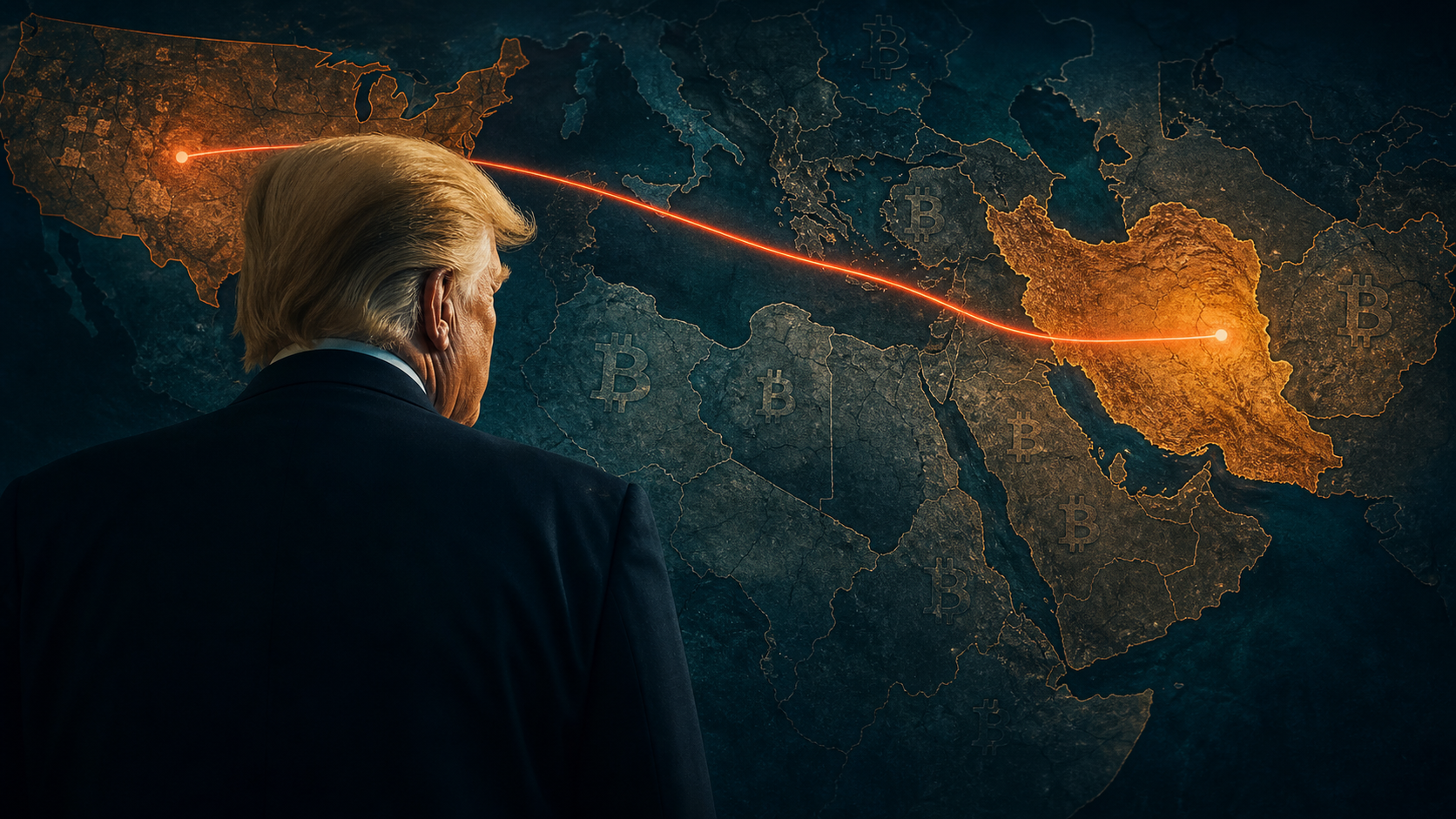
The biggest story was geopolitical, and it was not subtle. Several reports described “Обмен ударами между США и Ираном” (exchanges of blows between the US and Iran), followed by “США снова ударят по Ирану” (US will strike Iran again), and then “США возобновили удары по Ирану” (US resumed strikes on Iran). Donald Trump’s comments on Iran, including “Дональд Трамп об Иране” and “Оговорки Дональда Трампа” (Donald Trump’s reservations), made the picture harder to read. Why does this matter? Because these headlines are exactly the kind that pull Bitcoin back into the crisis-hedge argument, whether or not it deserves to be there. In January 2020, after the Soleimani strike, BTC rose about 8% over the next 72 hours. Most guides treat that like a neat template. That’s only half right. The market remembers the comparison, but it rarely repeats the sequence cleanly. Watch the next three days anyway.
Regulation looked messy, as it usually does. “Криптореформа в Казахстане” (Crypto reform in Kazakhstan) points to a country trying to pull digital assets into the financial system instead of shutting them out. That could give institutions and retail users in the region more room to operate. India has the opposite problem. “Индия и запрет криптовалюты” (India and the ban on cryptocurrency) keeps coming back, and it still hangs over one of crypto’s largest possible user bases. A full ban would cut off a huge market and send a cold message to builders and exchanges. Investors would hear it too. Russia sits somewhere in between: “В России тестируют торги криптовалютой” (Russia is testing cryptocurrency trading) and “Криптообменники в РФ” (Crypto exchanges in the Russian Federation) suggest a slow, tightly managed approach. Counter to the usual advice, slow regulation is not always bad for crypto. Bad rules are bad. Clear rules, even strict ones, can still bring capital in. That is still a big if.
Away from the macro news, individual tokens did what individual tokens usually do: they turned the tape into a mess. CASHCAT reportedly delivered returns of “1253х на мемкоине CASHCAT” and even “19,061x на CASHCAT.” Those numbers look ridiculous because they are ridiculous. I’ll be honest: this is the part of the market I trust least, even when the screenshots look incredible. Yes, those moves explain why people chase meme coins. They also explain why late buyers so often get wrecked. Lottery ticket, not thesis. On the other side, “Дамп токена LAB” (Dump of LAB token) was the reminder nobody enjoys: smaller tokens can drop hard and fast. The “Дорожная карта BNB Chain” (BNB Chain roadmap) gives traders something more concrete to watch around BNB and related tokens. “Криптоуслуги в Альфа-банке” (Crypto services in Alfa-Bank) matters too, because bank access can make crypto feel less fringe to ordinary users.
The macro layer is still sitting underneath all of this. The “Протокол с прошлого заседания ФРС” (Protocol from the last Fed meeting) and “Рынок в моменте” (Market at the moment) add the rate-and-liquidity backdrop. If the Fed sounds hawkish on rates or liquidity, risk assets like BTC and ETH can take a hit. If the tone softens, inflows become easier to picture. Yes, this slightly contradicts the safe-haven framing above. Bear with me. Bitcoin can trade like a crisis hedge for 72 hours and still behave like a risk asset once liquidity becomes the main story again. Finally, “Обновления по нейронкам” (Updates on neural networks), “Strategy – позитив для рынка” (Strategy – positive for the market), and “Красные мечты – BTC” (Red dreams – BTC) show how split the mood is. Some traders still see room for Bitcoin to run. Others are waiting for red candles.
What this means
US-Iran tension can move Bitcoin because some investors treat it as a crisis hedge, at least briefly. The January 2020 Soleimani strike is the obvious comparison: Bitcoin rose about 8% within 72 hours. Useful context. Not a trading rule. Regulation is slower, but it may matter more over time. Kazakhstan’s crypto reforms, India’s possible ban, and Russia’s trading tests show how uneven crypto policy has become. Alfa-Bank adding crypto services is worth watching as well. When a traditional bank offers access, crypto becomes easier for regular users to touch. Is that enough to change adoption by itself? No. But it lowers the friction, and friction is where a lot of crypto demand quietly dies.
Traders should watch the US-Iran story for escalation, then track Bitcoin’s first 72 hours after any major headline. That window matters because it is where the safe-haven trade usually gets tested. India deserves attention too. A clear ban would likely hurt sentiment well beyond India. For macro flows, the next FOMC meeting and Fed minutes still matter because rates steer risk appetite. My read: BTC support and resistance levels are less useful when pulled out of this context. Read them around the event calendar, not in isolation. Context matters. It always does.
FAQ
Q: What is a “safe-haven narrative” in the context of Bitcoin?
A: It is the idea that Bitcoin can hold value during economic or geopolitical stress, somewhat like gold. Some investors buy BTC when they want distance from traditional markets. The catch is simple: Bitcoin is still volatile, and it does not always act like a safe asset.
Q: How do geopolitical tensions affect Bitcoin’s price?
A: Geopolitical shocks can push some traders toward Bitcoin if they see it as less tied to stocks, bonds, or fiat currencies. After the January 2020 Soleimani strike, Bitcoin rose about 8% within 72 hours. That example gets cited often. It is not a guarantee.
Q: What is the significance of “Crypto reform in Kazakhstan”?
A: “Crypto reform in Kazakhstan” suggests the country is trying to bring digital assets into its financial system. If the rules are workable, exchanges, institutions, and retail users in the region could get more room to participate. That is the practical test.
Q: Why is “India and the ban on cryptocurrency” a significant concern?
A: India is a huge potential crypto market. A full ban would cut many users off from exchanges, wallets, and crypto services, and it would probably dent global adoption sentiment. It would not kill crypto. But it would sting.
Q: What do “Russia is testing cryptocurrency trading” and “Crypto exchanges in the Russian Federation” imply?
A: They suggest Russia is testing a controlled crypto market instead of opening the doors all at once. If the structure is clear enough for institutions to use, it could attract capital. If the rules are too restrictive, it may stay small. My bias here: the details will matter more than the headline.
Q: What does the “19,061x on CASHCAT” report signify?
A: It shows how extreme meme-coin moves can get. A 19,061x return is not normal market behavior, and nobody should treat it as a typical outcome. It is speculation at the sharpest end of the market.
Q: What is the importance of “Crypto services in Alfa-Bank”?
A: “Crypto services in Alfa-Bank” matters because a traditional bank can make crypto easier to access and less intimidating for some users. Bank involvement can also bring new money into the market, depending on what services are actually offered.
Q: How do Fed meeting protocols impact the crypto market?
A: Fed minutes help traders read where interest rates and liquidity may go next. If the Fed sounds hawkish, traders may move out of risk assets such as BTC and ETH. If the Fed sounds more dovish, crypto can catch a bid.
Q: What are “Red dreams – BTC” and “Strategy – positive for the market”?
A: These sound like sentiment or trading-strategy notes. “Red dreams – BTC” likely points to bearish hopes or expectations for lower Bitcoin prices. “Strategy – positive for the market” suggests a more bullish setup or a plan based on expected market strength.