
















































Whale Liquidation Short ETH: $1.81M Loss Hits Market
A “whale liquidation short ETH” means a large leveraged bet against Ethereum (ETH) was forced closed because the trader ran out of collateral. In plain English: the trade broke. Here, wallet “0xce34” had a $1,810,000 short position liquidated and lost $163,000. My take: that does not prove anything sweeping about crypto as a whole. It does show one thing very clearly, though. Leverage has no patience. Big wallet, thin room for error.
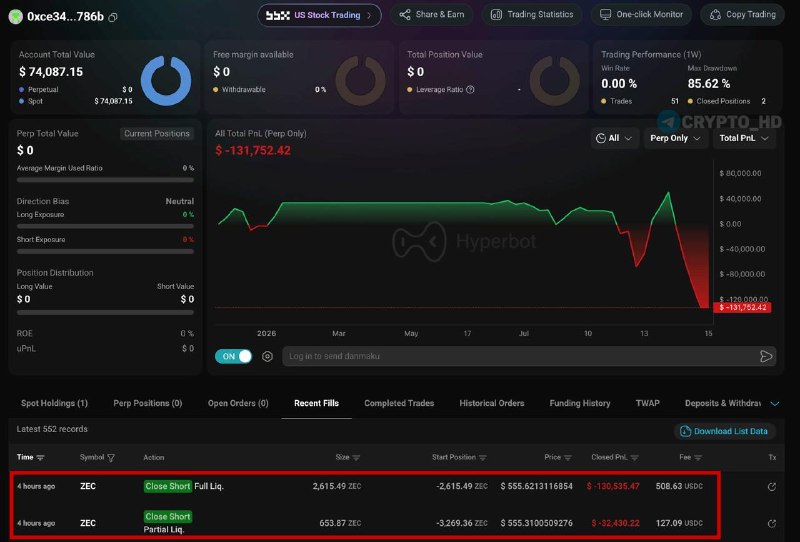
The trade was big enough to draw notice. A $1.81 million ETH short is not casual clicking around, and a $163,000 hit on one position stings, even for a whale. I’ll be honest: people sometimes overread these wallet stories because they look dramatic on a chart. The exact liquidation time was not provided. Usually, this kind of liquidation happens when price moves hard against a leveraged trade. The exchange closes the position. The trader eats the loss. Then the rest of the market starts refreshing the chart like something bigger just happened.
This came while crypto traders were still dealing with macro pressure. The Federal Reserve’s higher-rate stance has weighed on risk assets, including crypto. Why does this matter? Because when borrowing costs rise, leverage becomes harder to defend. Traders cut faster, and crowded positions can unwind in a hurry. Late 2023 had a similar feel, with Bitcoin (BTC) struggling near $45,000 and pulling back whenever Fed commentary sounded too hawkish. Counter to the usual advice, this is not just a “watch the ETH chart” situation. ETH shorts can get squeezed when macro, liquidity, and positioning all line up badly. Wallet “0xce34” seems to have learned that the expensive way.
Regulation is adding pressure too. The SEC’s scrutiny of staking services, exchanges, and some altcoins has kept traders nervous. Legal fights involving crypto firms and specific tokens have already caused sharp bursts of volatility. That backdrop makes price action harder to trust. Even Ethereum (ETH), one of the more liquid crypto assets, can move fast when regulatory news hits. We have seen this pattern before: the headline lands first, the explanation comes later. Traders have also been watching spot ETH ETF approval headlines closely. Those decisions could pull in institutional money, but the trading around the news can still get ugly.
What this means
A whale liquidation proves size does not protect anyone from leverage. Not really. The bigger the position, the faster the damage builds when price moves the wrong way. Most guides say liquidations are just mechanical market events. That’s only half right. They are mechanical, yes, but they also change how other traders behave once the data starts circulating. A forced close can add short-term pressure, shift sentiment, or push other traders to react when they see liquidation data. I would not read too much into one wallet, though. ETH’s larger trend still depends more on rates, liquidity, regulation, and ETF news than on one failed short.
Traders will now be watching the next FOMC meeting minutes for clues on rate policy and risk appetite. The $3,000 ETH level matters too. Is this overkill for one liquidation? No, because the level matters more than the wallet. If ETH breaks below it and holds there, selling pressure could build. SEC updates and spot ETH ETF decisions are the other major watch points. Either can move the market quickly, especially when too many traders are leaning the same way. Watch the crowding.