















































French Crypto Crime Surge: A Regulatory Pressure Cooker
France has a crypto crime problem, and the jump is hard to brush off: 77 reported incidents since January 1, 2026, compared with 45 in all of 2025. That is the part I keep coming back to. These are not wallet-draining phishing emails or fake airdrop links. Authorities are talking about kidnappings, illegal detention, extortion, and attempts to force crypto owners or industry figures to hand over access. Why does this matter? Because the threat model just moved from browsers and hardware wallets into apartment lobbies, school runs, parking garages, and dinner plans. Security is not only seed phrases and cold wallets anymore. It is doors. Cars. Routines. Who knows your name.
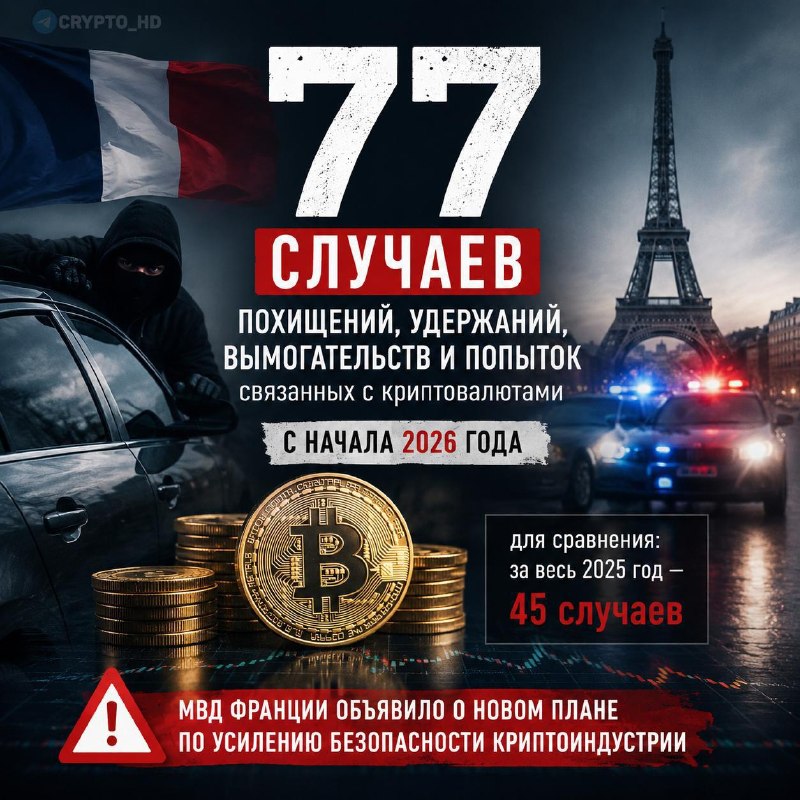
The numbers look bad. French authorities have recorded 77 cases involving kidnapping, illegal detention, extortion, or related attempts against cryptocurrency owners and industry participants since the start of 2026. In 2025, the full-year count was 45. That pace pushed the French Ministry of Interior to announce a plan to protect crypto players. Good. Also late. Most crypto security guides say the main job is protecting private keys. That is only half right. In a major European market, the physical safety of crypto wealth now affects whether the sector feels legitimate at all.
This feeds straight into the global argument over regulation pressure. Once the French Ministry of Interior gets involved, the issue rarely stays inside policing. It can move into rules, reporting duties, exchange compliance, custody standards, identity checks, and uncomfortable questions about who exposed whose data. The US has already seen its own version of this, with the SEC pushing staking services, exchanges, and token listings toward clearer rules. My take: France’s immediate problem is physical crime, but the policy lesson is plain. Crypto is visible, valuable, and exposed. Stricter KYC and AML rules could follow. That would matter for privacy coins such as Monero (XMR), and for DeFi protocols built around pseudonymous use. If tougher identity checks make those systems harder to use, prices could suffer. Not guaranteed. Not dramatic. But not far-fetched either.
There is also an uncomfortable adoption signal here. Criminals are targeting crypto holders because they think there is real money there. This is not someone snatching a phone outside a bar. It looks more like organized crime treating digital assets as worth planning around. Grim, but telling. Counter to the usual advice, mainstream adoption is not always a clean positive. Bitcoin ETFs from firms like BlackRock and Bitcoin’s legal tender status in El Salvador helped push crypto further into mainstream finance. Mainstream money attracts mainstream problems. Is that cynical? Maybe. It is also how valuable markets behave. The French response, even if reactive, admits that crypto now needs protection like other stores of wealth. Over time, that could lead to better custody, stronger user privacy, tighter operational security, and less casual leaking of personal details. For Ethereum (ETH), where institutional interest keeps building around a large app ecosystem, stronger safeguards could eventually help. I would not call that bullish today. It may matter later.
What this means
France’s crypto crime surge puts the industry in an awkward spot. Blockchain security only goes so far if someone can threaten a founder, investor, or custodian in real life. I’ll be honest: this is where the usual “code is law” framing starts to look thin. The French government’s response will probably feed the wider regulatory debate, even if the first goal is stopping violent crime. Exchanges and custodians should expect harder questions about how they protect user data, because leaked identities can become physical targets. Smaller platforms with thin compliance teams may feel the most pressure. Some users will move toward larger, more regulated firms if they believe those firms handle privacy and security better. Yes, this contradicts the privacy-first instinct in crypto. Bear with me: fear changes user behavior faster than ideology does. In the short term, this could hurt confidence in regions seen as risky. Over time, a tougher security baseline could make major assets like BTC look less exposed.
Investors should watch what the French Ministry of Interior says next about the protection plan. Details matter: more police resources, faster reporting channels, dedicated crypto crime units, new duties for platforms, or some mix of all four would point in different directions. Skip the headline. Read the mechanism. EU proposals are worth watching too, since France often helps shape European policy. Privacy-focused tokens and DeFi protocols deserve extra attention if regulators start talking about stricter identity checks. For Bitcoin (BTC), the $60,000 support level is still the line I would watch. Regulatory anxiety could test it. A serious government response could help it hold.