















































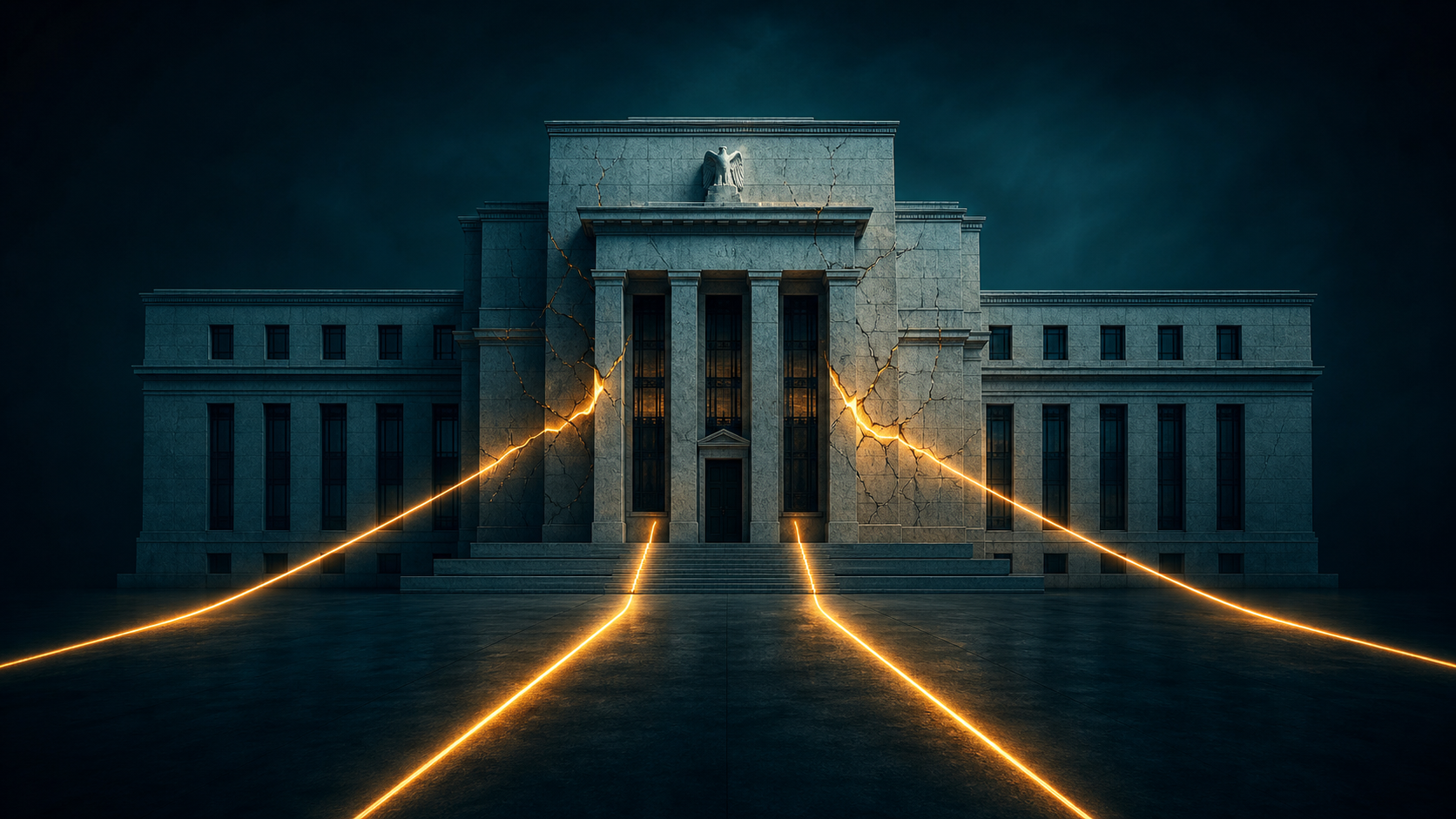
Fed Reforms Target Inflation: What It Means for Your Crypto Portfolio
Kevin Warsh says the Federal Reserve reforms are meant to tighten the way policy gets made after five years of painful inflation. According to Warsh’s address to the House of Representatives, the Fed is starting a reform push aimed at improving monetary policy after the inflation surge of the past five years. For crypto investors, this is not just procedural Fed housekeeping. My take: this is the Fed admitting the old process did not handle inflation well enough. That matters for Bitcoin, altcoins, and how much money investors are willing to leave in riskier assets.
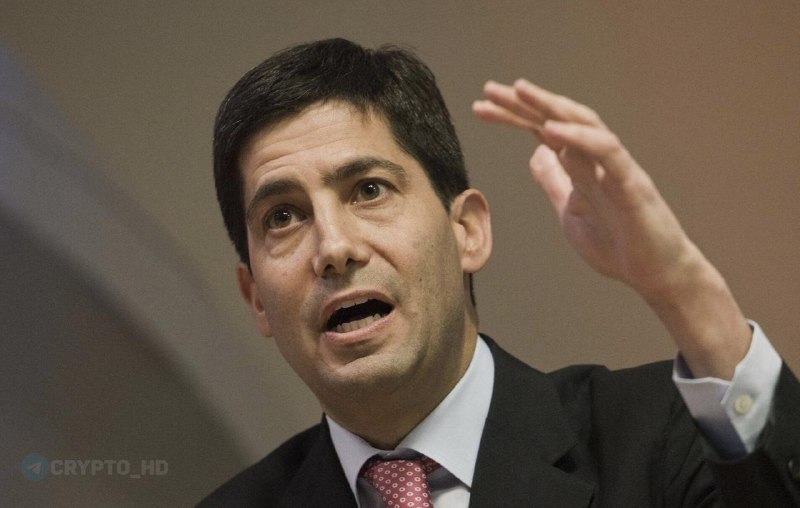
The Fed has set up five working groups to review monetary policy decisions and lower the risk of another high-inflation stretch. The reform effort includes five working groups focused on major parts of monetary policy. The goal is plain: make better decisions and avoid another run like the one households and markets just lived through. Most guides frame this as internal Fed process. That is only half right. Fed officials are still putting inflation control first, saying they will not accept persistently high inflation and want price stability restored. Sounds dry. It is not. Even after holding rates at 3.50-3.75% in June, the tone is still hawkish, and crypto markets may have to live with that for a while.
The U.S. economy is still growing, helped by consumer spending, manufacturing, and heavy business investment in AI-related infrastructure. The economy gives the Fed room to stay firm. Activity is still expanding, consumer spending is rising at a moderate pace, and manufacturing is gradually improving. Housing remains the weak spot. The bigger piece is business investment: data centers, equipment, and software tied to AI. Equipment spending is up about 8% over the past year. High tech investment is up almost 25%. That is real money. I would watch this more closely than the usual headline chatter. Why does this matter? Because if AI investment keeps growth steady without adding much inflation, the Fed can wait. If it pushes wages, energy demand, or input costs higher, rate cuts become harder to defend. Crypto will feel that through liquidity.
The Fed’s focus on price stability points to a “higher for longer” rate setup, which can pull money away from Bitcoin and altcoins. This is where the reform story starts hitting portfolios. When the Fed sounds committed to beating inflation, markets usually hear one thing: rates may stay high longer than traders want. Higher yields make cash and Treasuries harder to ignore. They also make lower volatility assets look less boring. That can leave less demand for Bitcoin, ETH, and smaller tokens. We have seen this before. In late 2022 and early 2023, aggressive Fed hikes helped push BTC from the area near $69,000 down into the $15,000 range. The Fed held rates steady in June, but the language about finally defeating inflation suggests cuts may not arrive as quickly as bulls hope. Watch the wording. One softer phrase can move BTC and ETH fast. So can one stubborn one.
The Fed’s confidence in economic stability could also complicate Bitcoin’s safe-haven story. Bitcoin has sometimes traded as a hedge against inflation, banking stress, or political shocks. Sometimes. Not always. Counter to the usual advice, a strong economy is not automatically good for BTC if it gives the Fed cover to stay tight. If the Fed convinces markets that inflation is under control and the economy is still growing, especially with AI investment helping, the need for a safe haven alternative may fade a little. That does not kill Bitcoin’s case. It changes the setup. In calmer periods, BTC may trade more like a growth tech asset than an inflation hedge. If the Fed misreads inflation or sounds too relaxed, the hedge story can return quickly. Historical market observations show BTC gaining 4-7% within 72 hours of some geopolitical flare-ups or major policy shifts. A steady U.S. economy could dampen those moves. The Fed chair’s speech at 17:00 MSK is worth watching because the market will be listening for tone as much as policy.
What this means
The Fed’s inflation stance makes the macro setup tougher for speculative crypto trades. The Fed is not just reacting to each data release. It is trying to rebuild its policy process after a bad inflation stretch, and that points to a harder backdrop for risk. I’ll be honest: this is not the friendliest setup for impatient crypto bulls. The easy money trade still looks delayed. Yes, that sounds like it contradicts the idea that Bitcoin can benefit from policy distrust. Bear with me. Both can be true: BTC can have a long-term hedge narrative while still struggling when real yields stay attractive. The line about finally defeating inflation makes a major easing cycle look unlikely soon, which is not what BTC and ETH bulls want to hear. Expect choppy price action. Fed comments on inflation, jobs, AI investment, and rates can still move this market quickly.
Traders should watch Fed guidance, rate expectations, and Bitcoin’s main technical levels. The practical checklist is short. Watch forward guidance and the economic projections. Then watch the next FOMC meetings for any hint on when rate cuts might return. Is this overkill? For a market that can reprice in minutes, no. For Bitcoin, a sustained move above $65,000 would suggest buyers are willing to fight the hawkish macro setup. A break below $58,000 would make the downside case harder to ignore. The CME FedWatch Tool is useful too, because rate expectations often move before crypto prices do. AI investment is the quieter variable here, and I think traders are underpricing it. If it keeps growth alive without reigniting inflation, crypto gets a steadier backdrop. If it adds inflation pressure, the Fed has another reason to stay tight.