
















































US strikes Iran: geopolitical risk tests crypto’s safe haven story
US Central Command forces have restarted strikes against Iran, saying they are targeting threats to shipping in the Strait of Hormuz. Iran has promised a “powerful” counterattack on US military bases. So markets are back to the question that never quite dies: does Bitcoin actually act like a safe haven when things get ugly? My take: this is the kind of headline where slogans get tested quickly.
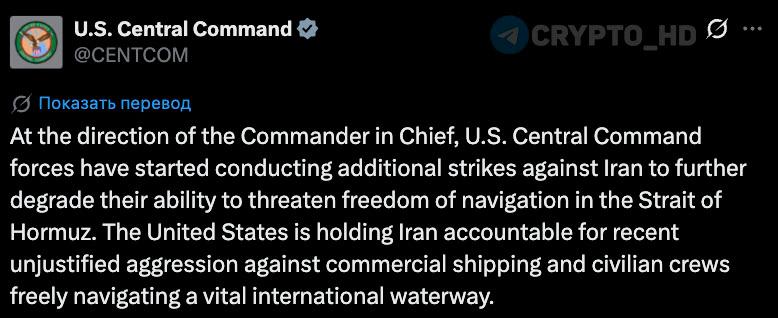
The US military said the strikes are meant to hold Iran accountable for “recent aggression against commercial vessels and civilian crews freely navigating a vital international waterway.” That wording matters. The Strait of Hormuz is not some abstract map label buried in a foreign-policy brief. Oil moves through it. Traders know it. Nour News, citing military sources, said Iranian armed forces will soon launch a “powerful” attack on US military bases in the region. That changes the mood fast. Donald Trump was mentioned in the original wire, but it did not explain what role he has in this specific situation.
For crypto investors, this is not just another ugly headline to scroll past. We have seen versions of this before. After the January 3, 2020 Soleimani strike, Bitcoin gained about 8% over the next 72 hours as some investors looked outside normal risk assets. Gold moved higher too, because gold usually gets the first call when people panic. Most guides say Bitcoin behaves like digital gold in moments like this. That’s only half right. This time, BTC could push toward $45,000 if the conflict worsens. Could. Not will. Markets are stubborn, and crypto has a special talent for humiliating neat narratives.
Why does this matter? Because the first reaction will say a lot about whether big traders are buying the hedge story or just chasing volatility. I’ll be honest: a single green candle would not convince me. Traders will be watching for a sharp move higher, then checking whether it holds after the first wave of headlines fades. The more awkward outcome is simple: BTC stays flat, or sells off with tech, and the market quietly says Bitcoin is still being treated like a risk asset with better branding.
Then there is oil. The Fed has been driving markets lately because rates and inflation keep setting the tone. A shock in the Strait of Hormuz could change that in a day. If oil prices jump because shipping gets disrupted, inflation fears come back, and nobody wants that sequel. A hotter inflation print could push the Fed toward a tougher rate stance, which has usually hurt risk assets, including crypto. Counter to the usual advice, the first “risk-off” move is not always the clean one. In early 2022, Bitcoin briefly caught a bid after the first geopolitical shock, then macro pressure took over and BTC fell from around $48,000 to below $30,000 by June.
What this means
Renewed US strikes on Iran, plus Iran’s threat to hit back, mean geopolitical risk just moved higher on the market’s list of problems. For crypto, the test is simple and uncomfortable: does Bitcoin attract safety money, or does it trade like another high beta asset? The next 24 to 48 hours should tell us more, especially if more military reports hit the tape or shipping through the region starts looking less certain. Is that too short a window? Maybe, but crisis markets do not wait politely for weekly closes.
Watch BTC against gold and equities. My read: that comparison matters more than the headline price alone. If Bitcoin rises while stocks slip and gold holds firm, the safe haven argument gets a little more believable. If BTC fades with the Nasdaq, the market is giving a blunt answer. The $43,500 level is worth watching. A clean break above it would suggest real demand, not just crypto Twitter trying to explain one green candle. Yes, this slightly contradicts the idea that one move proves nothing. Bear with me. A level can matter without becoming a prophecy. If BTC cannot hold current levels, broader macro pressure is probably still in charge.