















































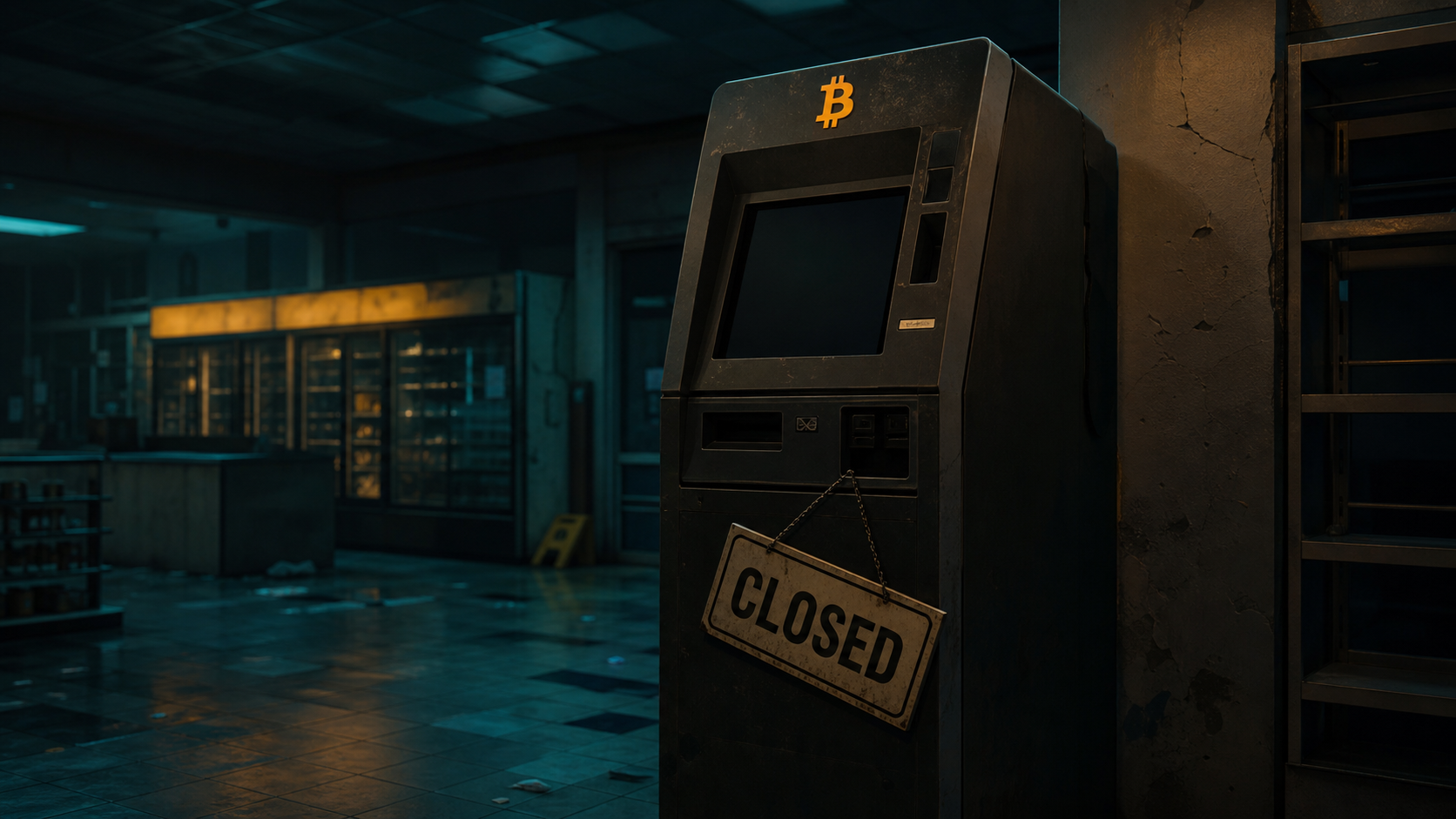
Bitcoin Depot Bankruptcy US ATMs Raise Regulation Risk for BTC
Bitcoin Depot has entered Chapter 11 bankruptcy in the United States, and its Bitcoin ATM network is already offline, according to the source post. For investors searching bitcoin depot bankruptcy us atms, the useful read is blunt: this is not a Bitcoin protocol problem. It is a regulation and access problem for one of crypto’s best-known cash entry points. My take: that distinction matters more than the headline.
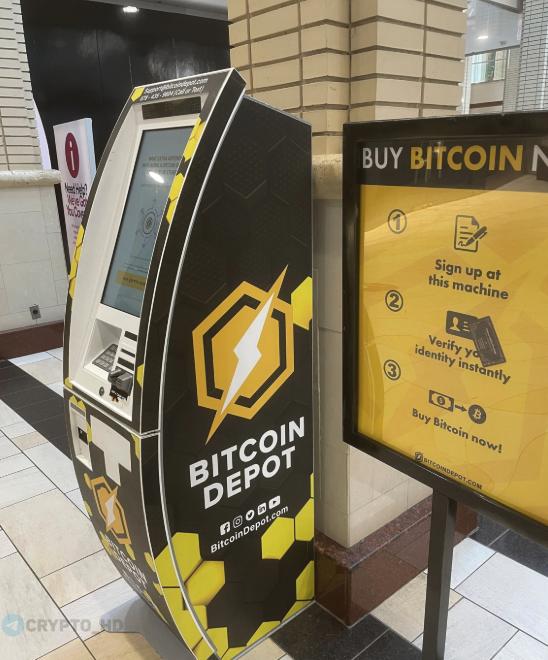
The source names Bitcoin Depot, one of the largest Bitcoin ATM operators in the United States, and says the company began Chapter 11 proceedings. It also names the main pressures: stricter regulation, limits on crypto ATM transactions, more legal risk, and weaker finances. It does not give a filing date or debt figure. It does not give a user count, ATM count, BTC price, ETH price, or equity ticker move. Thin data. Important story.
This is where the story gets interesting. Bitcoin ATMs sit in an awkward spot. They are not ETFs. They are not Coinbase. They are not DeFi. They are cash machines that turn dollars into crypto, which puts them directly in the path of compliance fights. Why does this matter? Because if a major U.S. operator like Bitcoin Depot shuts down its ATM network during Chapter 11, retail access can crack even while the Bitcoin narrative keeps going. That matters for BTC if regulators keep pressing cash-heavy crypto products in 2026.
The regulation angle is the cleanest read. The source points directly to tighter rules and limits on crypto ATM operations as part of the bankruptcy story. For BTC traders, I would put this beside COIN on June 6, 2023, when the SEC sued Coinbase and COIN dropped about 12% that day. Different company. Different model. Same lesson: legal pressure can hit valuations, reduce access, and make U.S. crypto rails feel less reliable. Most guides treat regulation as background noise. That’s only half right.
Still, this is not a simple bearish call on Bitcoin itself. Bitcoin has survived exchange failures, mining bans, bank de-risking, and regulatory fights since 2009. Counter to the usual panic read, the narrower point is more useful: U.S. cash-based Bitcoin adoption just took a visible hit. If ATM access keeps shrinking, some retail buyers may move to apps or ETFs. Others may use exchanges. Some may stay out altogether. That sends flow toward regulated platforms and away from street-level crypto infrastructure.
The adoption signal is messy, and I’ll be honest: that is the part traders usually flatten too much. Bitcoin Depot’s Chapter 11 process shows that the ATM model is under real pressure in the United States. It also shows how much crypto access has moved away from cash kiosks and toward brokerage-style products. Since January 11, 2024, spot Bitcoin ETFs have made BTC exposure available inside traditional accounts. That does not help an unbanked user feeding cash into a machine, but it changes where new Bitcoin demand can appear.
One thing I would not ignore: ATM shutdowns can hurt perception faster than they hurt spot liquidity. A dead Bitcoin machine in a convenience store looks bad. A spot BTC order routed through a regulated platform is invisible. Traders should care about that gap. Is this overkill? For a single small operator, maybe. For one of the largest Bitcoin ATM operators in the United States, no. Adoption stories move sentiment, especially when BTC is trading more like a macro risk asset than a payments network.
The macro angle is not the whole story, but it still belongs in the setup. If U.S. rates stay restrictive in 2026, speculative retail channels usually feel pain before institutional products do. BTC has often rallied when liquidity expectations improve, while smaller access businesses face funding costs, lawyers, and compliance bills in the present tense. Yes, this cuts against the idea that Bitcoin is fully detached from U.S. financial plumbing. Bear with me: the asset can be liquid, global, and open all day while a local access business still breaks under Chapter 11 pressure.
There is a safe-haven angle too, but I would keep it in the footnotes. BTC gained about 8% during the January 2020 Soleimani shock, which showed that geopolitical stress can pull some buyers toward Bitcoin. This is not that. Bitcoin Depot’s bankruptcy is domestic and regulatory. Gold-style demand does not automatically save a U.S. ATM operator dealing with transaction limits, lawsuits, and weaker finances under Chapter 11.
The source post did not include a reaction or quote, so there is nothing to print here. That absence matters more than it looks. Without management guidance, creditor details, court documents, or a timeline, traders should not treat this as more precise than it is. I would not build a full BTC thesis from this one item. The known facts are enough for now: Bitcoin Depot, United States, Chapter 11, network offline, regulation pressure, legal risk, and weaker financial performance.
What this means
Bitcoin Depot’s bankruptcy points to a tougher 2026 environment for physical crypto access in the United States. For BTC, the direct risk is not chain security or spot market depth. It is distribution. If Bitcoin ATMs keep running into transaction limits and compliance costs, BTC adoption may keep moving toward ETFs, COIN-style exchanges, bank-linked apps, or simply fewer cash-first entry points. Watch BTC around major round levels like $60,000 and $70,000, because access headlines can hit sentiment when price is already testing big psychological zones.
The next markers are concrete: any Chapter 11 docket update from Bitcoin Depot, any U.S. regulatory move aimed at crypto ATM transaction limits, and the next FOMC decision on June 17, 2026. Actually, split that into two buckets. Court and regulatory updates tell you whether this stays company-specific. CME Bitcoin futures open interest tells you whether exposure is migrating somewhere else. If CME Bitcoin futures open interest rises while ATM access shrinks, that would support the idea that BTC exposure is shifting from cash retail rails to institutional products. For traders, the question is blunt: does this stay a Bitcoin Depot problem, or turn into a wider U.S. crypto access trade?