















































When a Blockchain Stops Being Profitable: The Quiet Killer of Crypto Projects
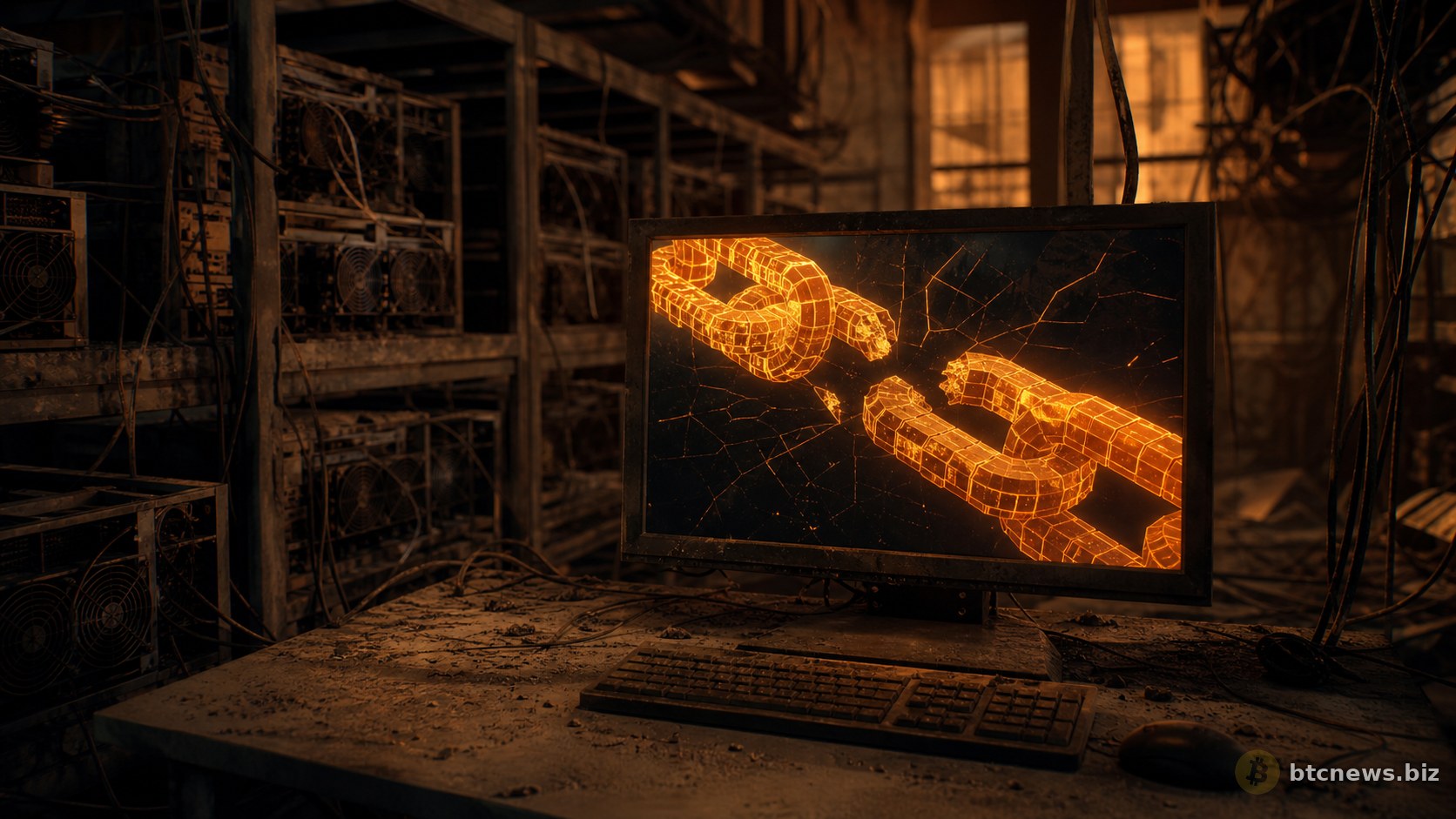
“When the incentives behind a blockchain dry up, the network can start feeding on itself.” It sounds dramatic. In crypto, it can be almost literal. Token prices fall. Miners or validators leave. Users feel the drag. Developers start losing money, time, or patience. Then investors finally ask the question that should have been asked much earlier: what happens when this thing stops paying people to keep it alive?
“Profit keeps a blockchain running.” Strip out the slogans and that is the basic truth. Miners, stakers, validators, developers, infrastructure teams: none of them run on belief alone. They need rewards that justify the work. When rewards are strong, people show up. When rewards shrink, people quietly drift away. My take: crypto people use the word “community” too loosely here. A network can have loyal holders and still be economically broken. Once participation drops, the chain can slow down, lose security, and become harder to trust. Investors often notice after the easy exits are already gone.
“Operating costs are often the first crack.” For miners and validators, the bills are not theoretical. Electricity. Hardware. Hosting. Software. Maintenance. Security. That list is not glamorous, but it is the business. When token prices are high, those costs look manageable. When prices fall, the math turns ugly fast. A graphics card that paid for itself in 30 days during a hot market might need 12 months to break even after rewards drop. Hosting centers can raise rents. New energy rules can erase the old advantage of colder locations where cooling was cheaper. Developers feel it too: cloud servers, test environments, audits, and tooling still cost money even when the token is down 70%.
Small operators usually quit first. They shut down rigs, unstake, or stop maintaining nodes. Then the network’s hash rate or stake weight falls. That hits security, and security is one of the few things serious investors still care about. Why does this matter? Because if a chain looks easier to attack or less reliable, capital does not hold a press conference. It just leaves.
“User activity usually drops after profitability drops.” Fees rise. Confirmations slow down. Basic tasks become annoying. Traders are often the first out because they care about speed and liquidity more than almost anyone else. If a swap takes too long or gas fees eat the trade, they move to another chain. Simple as that.
That weakens the network effect, which is just a plain way of saying a chain gets more useful when more people use it. When wallets go quiet, it becomes harder to find trade partners and buyers. Voters disappear. Builders hesitate. Liquidity pools thin out, prices swing harder, and holders get nervous. Developers see less activity and start delaying updates. Marketing budgets get cut. New users stop arriving.
For DeFi protocols, this can be brutal. Lower activity hits TVL, or Total Value Locked, and makes the protocol look less useful. The token usually follows. We saw versions of this during the 2022 bear market, when some altcoins fell 80-90% from their highs. Some came back. Many did not. I’ll be honest: that split is the whole lesson.
“Governance gets messy when the money dries up.” Many chains depend on on chain voting for upgrades, grants, and budget decisions. That only works if enough serious stakeholders participate. When profits disappear, holders sell, go inactive, or move funds elsewhere. Counter to the usual advice, “decentralized governance” is not automatically healthier under stress. Sometimes it just means the people still paying attention are fewer, louder, and less representative of the wider user base.
Low turnout gives small groups more power. They can push changes that help their corner of the project while making everyone else nervous. Sudden rule changes confuse users. Developers then face a narrow menu: cut budgets, shrink roadmaps, find outside sponsors, or try something drastic. Token swaps and technical mergers sit in that last bucket. Some projects look at enterprise licensing or private consortium deals because those at least bring in predictable money.
None of these choices are clean. Every option starts an argument. Without leadership that people trust, the chain can split into rival forks, each claiming to be the real continuation. That is bad enough technically. For investors, it is worse emotionally. Nobody wants to hold a token while the project argues about what it even is.
What this means
“Unprofitable blockchains force investors to look past hype and ask whether the economics work.” That shift is overdue. The market has spent years rewarding projects for attention instead of income, usage, or durability. That can work in a bull market. It falls apart when fees dry up and rewards stop covering costs.
Projects with weak tokenomics, high inflation, vague revenue models, or no real users are exposed first. Plenty of altcoins have rocketed during bull runs and then collapsed when the network could not support itself. A big community does not fix bad economics. Loud marketing does not either. A familiar founder helps with attention, not solvency. More people should admit that before the chart is already down 85%.
The stronger projects are the ones that can adapt. They may adjust reward schedules, improve fee models, change consensus design, or bring in partners that create real demand. Most guides make this sound like a checklist. That’s only half right. A move from Proof of Work to Proof of Stake can help in some cases, but it is not magic. If nobody uses the chain, changing the engine does not save the car.
“Investors need to watch the boring numbers.” Developer activity matters. Active addresses matter. Transaction volume matters. Liquidity depth matters. Governance turnout matters. Is this overkill? Not if real money is on the line. None of these signals are perfect, but they are harder to fake for long than a press release or a social media campaign.
A falling token price is bad. A falling token price with fewer active users, thinner liquidity, weak governance participation, and a dropping hash rate or stake weight is much worse. For Proof of Work chains, hash rate gives a rough read on miner confidence. For Proof of Stake networks, stake weight and validator behavior can show whether participants still think the rewards are worth the risk. Yes, this sounds boring after all the talk about narratives. That is the point.
The next few quarters will probably be rough for chains that cannot show a path to sustainable profitability. That does not mean every struggling project dies. Crypto has a strange habit of reviving things that looked finished. But if a network cannot pay people to secure it, build on it, and use it, investors should stop treating it like a long term bet and start treating it like a countdown.