















































Babylon Upbit Listing Lifts Token as Traders Pile In
The Babylon token price jumped after Upbit, South Korea’s largest crypto exchange, listed it. That is the clean version. A big exchange opened the door, and traders did not wait around. My take: the price move is less interesting than where the demand came from, because Asia still gives newer crypto projects a retail spark when the timing feels right.
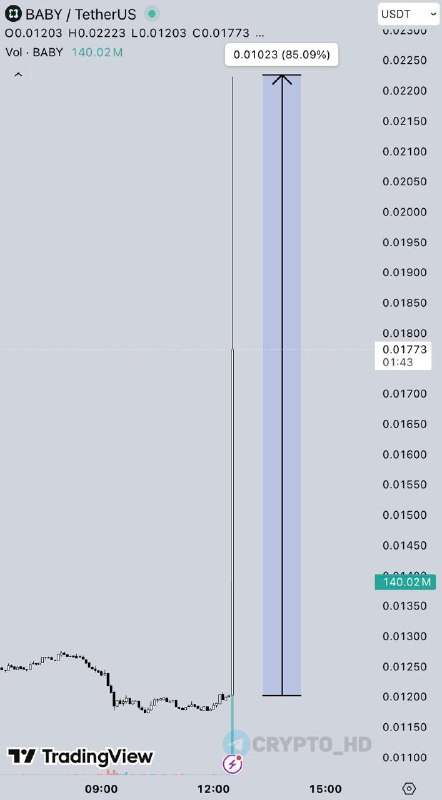
Babylon moved soon after the Upbit announcement. Fast. The source does not give an exact percentage gain, but the phrase “в моменте” (“at the moment”) points to a quick move, not a slow grind. Why does this matter? Because Upbit is not some minor venue with thin books. South Korean traders can move markets, and a listing there can add real liquidity when a token has not been widely available to that audience before.
The Upbit listing gives Babylon a real adoption signal, at least in one major market. South Korea has been one of crypto’s busiest retail trading hubs for years, and Upbit visibility can change overnight. Most listing takes stop there. That’s only half right. An exchange listing does not prove the project is good, and I’ll be honest: I would not treat it as a grand stamp of approval. Still, it puts the token in front of many more buyers. That alone can change the chart. We have seen this pattern before with Coinbase and Solana (SOL) in May 2021, when SOL climbed about 30% within days and pushed toward fresh highs. Price gets the attention first, obviously. But listings also pull a project into a larger trading system with more users, tighter spreads, deeper attention, and faster reaction loops. Babylon getting onto Upbit suggests exchanges are still adding newer protocols, even as regulators keep tightening the rules.
There is also a regulation pressure angle here. South Korea does not let major exchanges operate like casual listing boards. Upbit works under strict KYC and AML rules, and listings usually involve some review. Not everything. But something. Counter to the usual hype, this does not mean Babylon is suddenly de-risked everywhere. It only suggests the token passed Upbit’s internal checks in a market where compliance actually matters. That looks different from the US, where the SEC’s fight over which tokens count as securities still hangs over many altcoins. XRP is the obvious example: its legal uncertainty affected US exchange listings and price action for years, even while it kept trading heavily elsewhere. So yes, Babylon’s Upbit listing may make some investors feel more comfortable, at least in South Korea. I would not stretch that into a global regulatory blessing.
What this means
Babylon’s Upbit listing shows that the altcoin market is still expanding, but not blindly. Traders are not buying every ticker with a story attached. They are reacting to specific catalysts, and major exchange listings remain one of the loudest. Is this just another short-term pump headline? Maybe, but that does not make it useless. Upbit, Bithumb, Binance, and Coinbase can still change a coin’s short term setup within hours. That part is hard to ignore.
Next, watch whether Babylon holds the move. A first-day pump is easy. Sustained demand is harder. I would look past the headline now and focus on Upbit volume. If volume stays high after the initial burst, buyers may be doing more than chasing the announcement. If volume fades quickly, this may turn into a plain “sell the news” trade. Yes, this slightly contradicts the excitement above. Bear with me. Listings can be powerful and still fail to create lasting demand. I would also watch for Babylon updates on more exchange listings or ecosystem activity, because those can keep attention alive. Macro pressure still matters for crypto, especially rates and liquidity. Bitcoin’s direction matters too. But for individual tokens, listings like this are still one of the clearest signs that traders care right now.